
When we first started this blog, the Çal Vineyard Route was the newest wine route in Türkiye. Later, the Lydia Historical Wine Route was also opened, so it’s no longer the newest — but it remains one of the most exciting wine journeys to explore.
The Çal Vineyard Route was established in 2022; yet the region’s wine history dates back to ancient times. The area accounts for 40% of Türkiye’s wine production and 20% of its grape cultivation. Vineyards dominate the region’s natural landscape. Along the route, you’ll find both recently founded wineries and third-generation family estates. Here, producers combine traditional and modern wine-making techniques. The wineries use both local and international grape varieties, but one of them is truly special. The area is home to its own indigenous grape variety, Çal Karası, which was overlooked for many years but is now regaining recognition and prestige. Çal Karası, meaning ‘the black grape from Çal,’ has been scientifically proven to be genetically identical to Liatiko from Crete, Greece, thanks to the efforts of wine producer Seyit Karagözoğlu. This discovery could create a new bond between Turkish and Greek wine producers.
Another essential point of the route is that it includes both ancient cities and natural wonders, so one day is not enough to explore them all. After several visits during different seasons, we are here to share all the experiences. Enjoy!
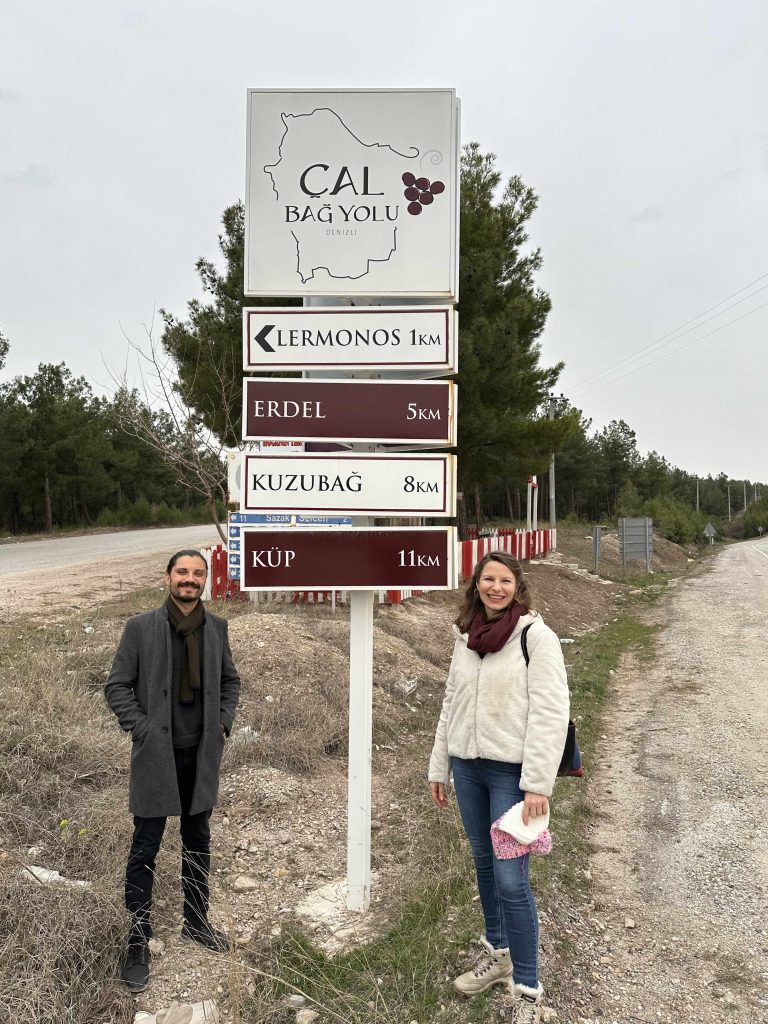
We planned our trip to include both wineries and tourist attractions (Click to add to the Google Maps).
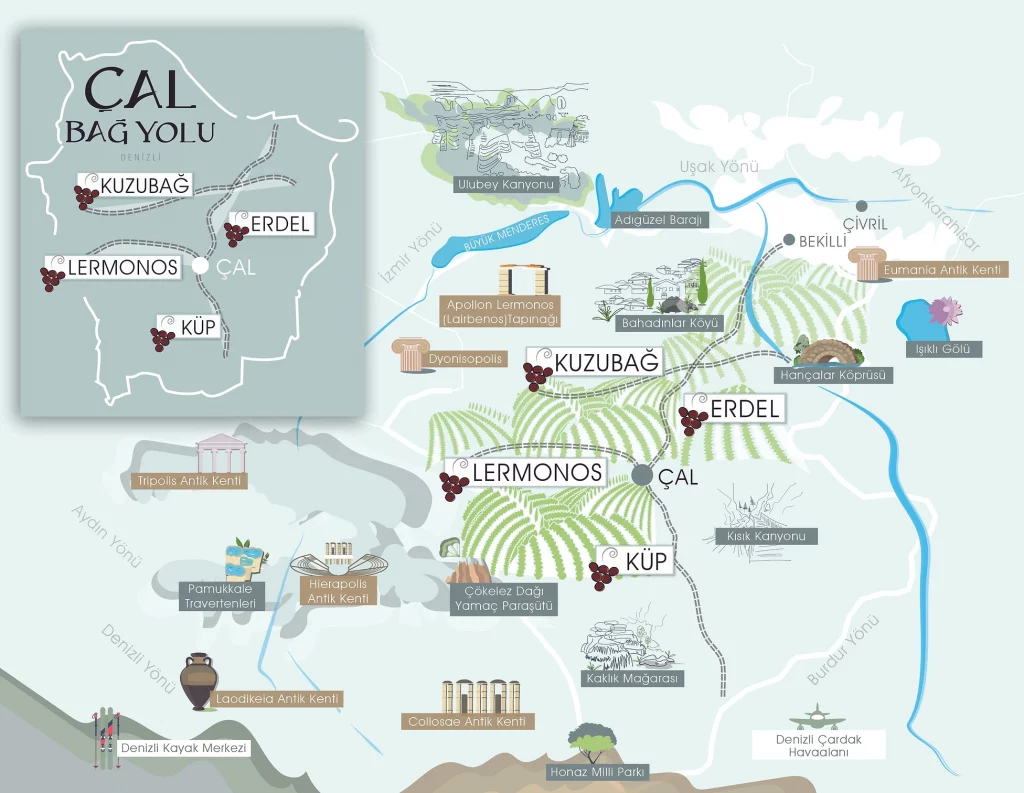
Kaynak: https://www.calbagyolu.com/calbagyolu
Küp Şarapçılık
Küp is not only the largest but also the oldest producer on the route. Its production ranges from table wines to premium wines and fruit wines. Established in the 1950s, Küp is now run together by the family’s second and third generations.
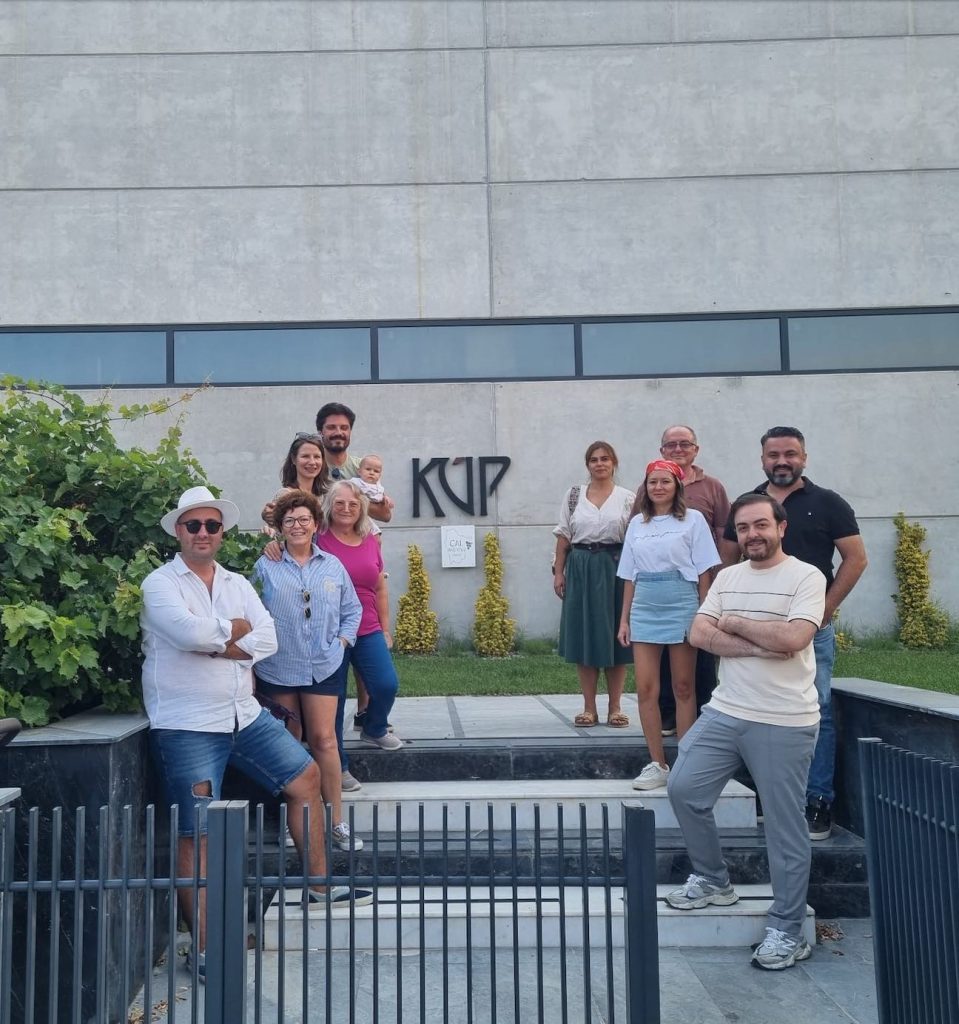
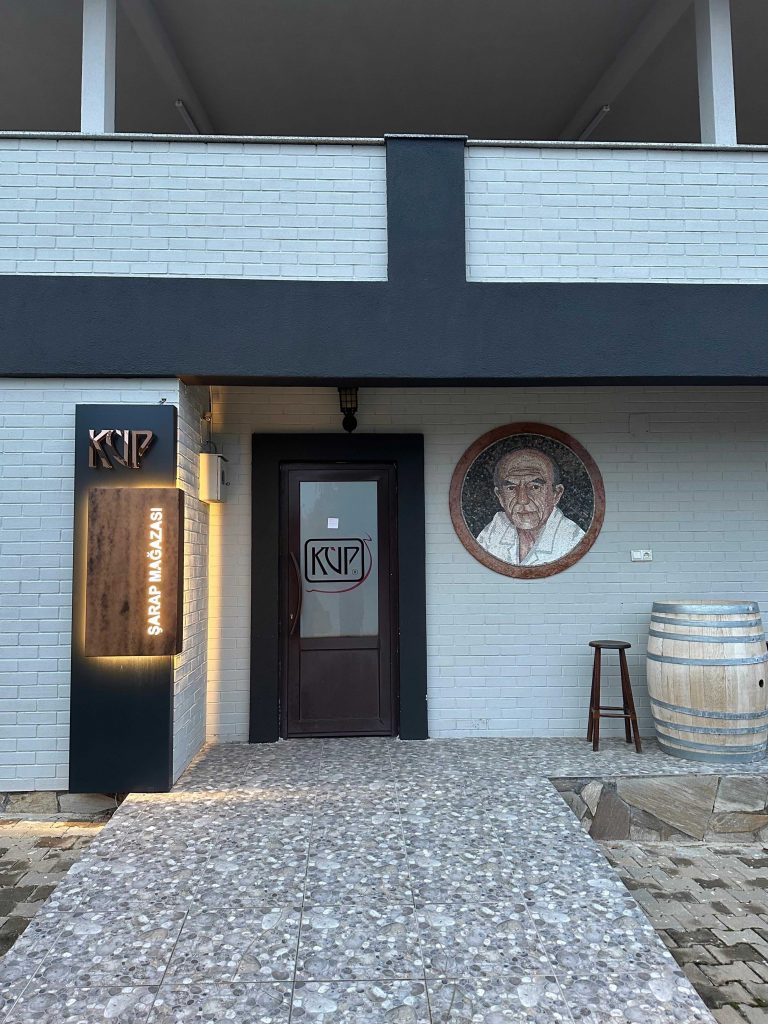
Küp has both a historic wine-producing building and a modern production facility on the same site. The older building is architecturally distinctive and forms part of the estate’s history. During our visit with Tadında Dünya, the winery presented a vertical tasting of the Epic series spanning vintages from 2013 to 2021. The comparison offered an educational view of how the wines had developed across different vintages.
Lermonos Wines
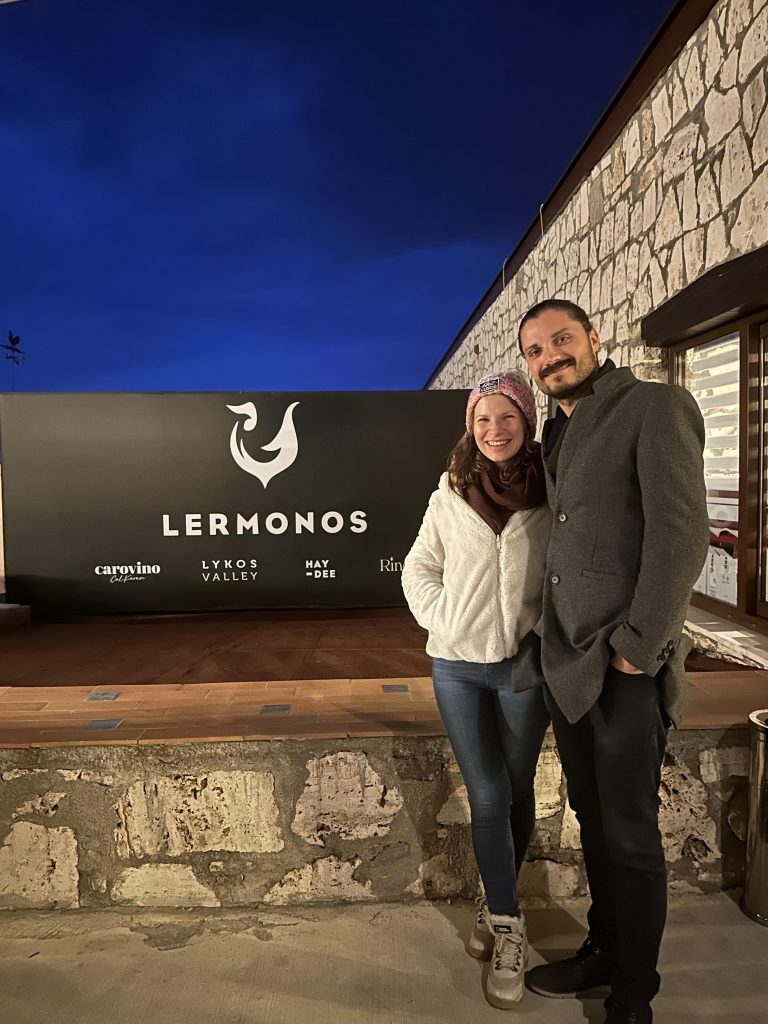
Lermonos is one of the newest producers on the route, drawing its strength from women’s leadership. It features the first restaurant on the route serving local delights and offers both a lovely open terrace overlooking the vines and a cozy indoor space. Recently, Lermonos has operated a guest house, becoming the first accommodation facility on the route.
Lermonos works with both local and international grape varieties. During our visit, its Sauvignon Blanc showed a predominantly herbal profile.


Erdel Winery
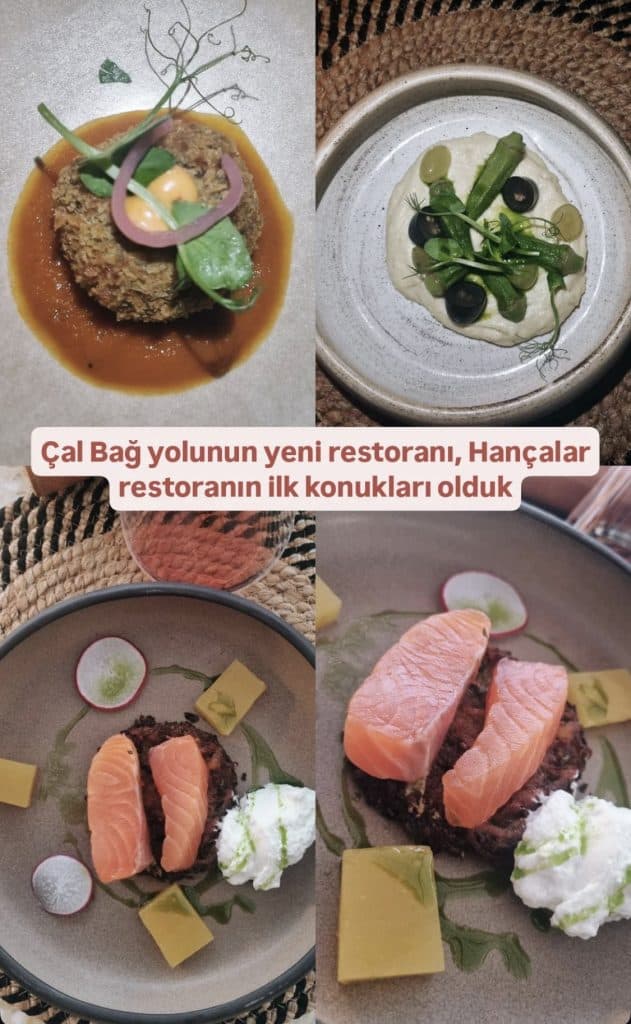
Erdel Winery is located in Hanchalar village, formerly known as Hancılar (‘innkeepers’ in English), reflecting the area’s historical roots. Established in the 2000s, the winery aims to create more employment opportunities in the village. Erdel is the second-largest producer on the route, offering a wide range of wines, from table wines to fruit wines. The winery is also in the process of opening a new fine-dining restaurant, which will be a significant addition to the route. We were among the first guests to visit the restaurant while it was being developed.
Kuzubağ Winery
Kuzubağ is the youngest producer on the route and is run by a family. The winery works with local grape varieties and experimental winemaking methods. It has a particular focus on Çal Karası, producing blanc de noirs, red, and sweet expressions. Our visit provided a comparative look at these different styles.
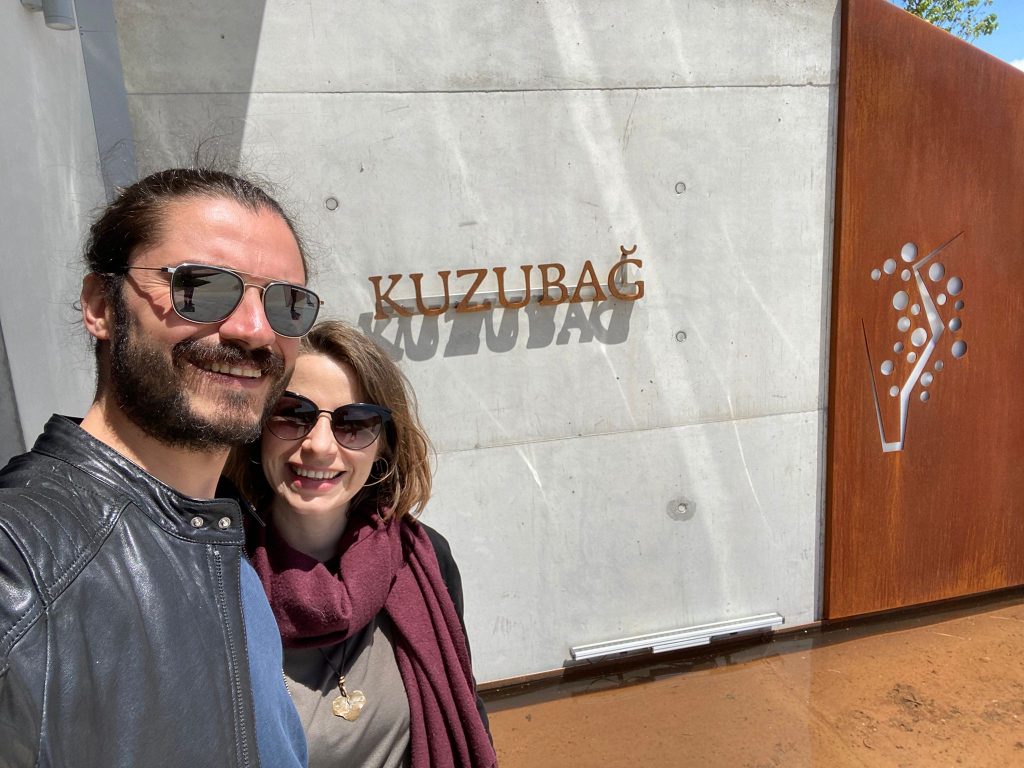
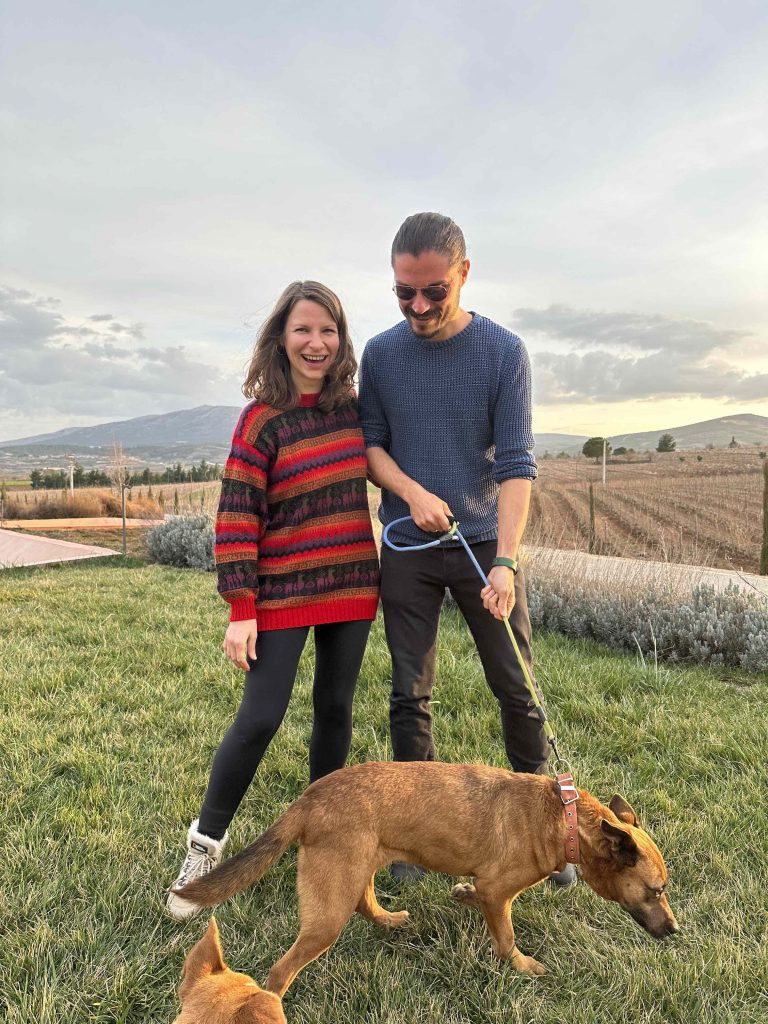
Kuzubağ is located in the heart of its vineyard, and the visitor area overlooks the vines and the sunset.


General Remarks – Notes
- Although it is technically possible to visit all of the wineries in a single day, we recommend staying at least one night in the area. This allows more time for the winery visits and for exploring the region’s historical and touristic sites. While accommodation options in the immediate area are still limited, its proximity to Denizli/Pamukkale (around 40 minutes away) makes day trips feasible.
- Dining is available at Lermonos and Erdel. The other stops offer limited food service, while Kuzubağ can arrange lunch with advance booking.
- Especially during spring and summer weekends, the wineries can get quite busy. Be sure to make a reservation in advance to avoid disappointment.
- Since it is not possible to get around the region by public transport, we strongly recommend renting a car if you are arriving by plane.
- For any additional questions, you can contact the route via its social media channels; they are extremely helpful.
Touristic Landmarks
After exploring the vineyards, you can also visit these wonderful historic sites and attractions.
Pamukkale & Hierapolis
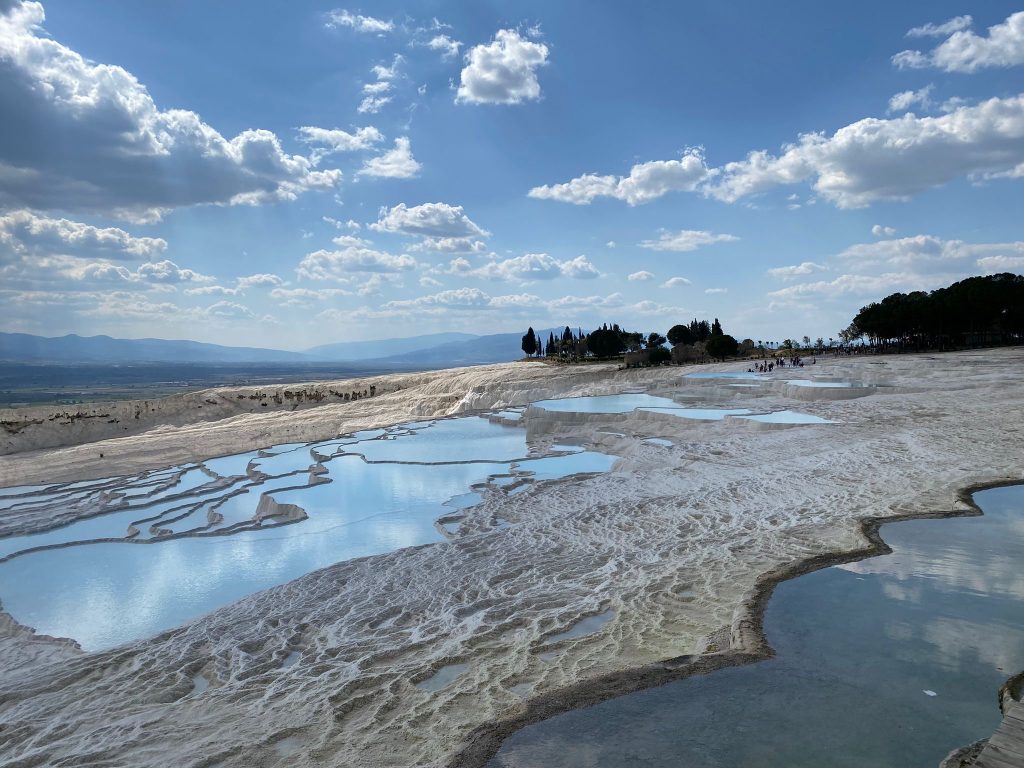
Pamukkale is often referred to by locals as the 8th wonder of the world – and many even believe it truly is. While not officially the case, it remains a unique natural beauty that could easily deserve such a title.
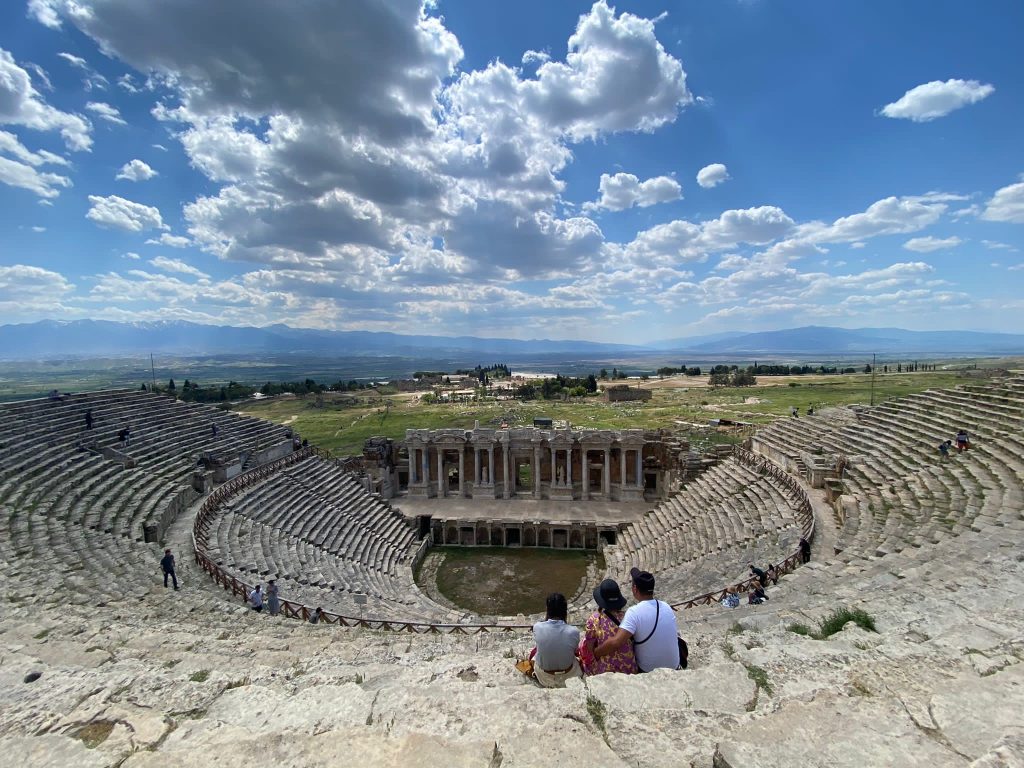
This UNESCO-protected region combines the natural wonders of Pamukkale with the ancient sites of Hierapolis. You should set aside at least half a day to explore it properly. There’s also the Cleopatra Pools, where you can swim in an ancient pool—legend has it that Cleopatra herself bathed here for her beauty. You can also see the amphorae that were once used for winemaking in ancient times.
It’s a must-see stop on the route. For more information, visit: https://whc.unesco.org/en/list/485/

Laodicea
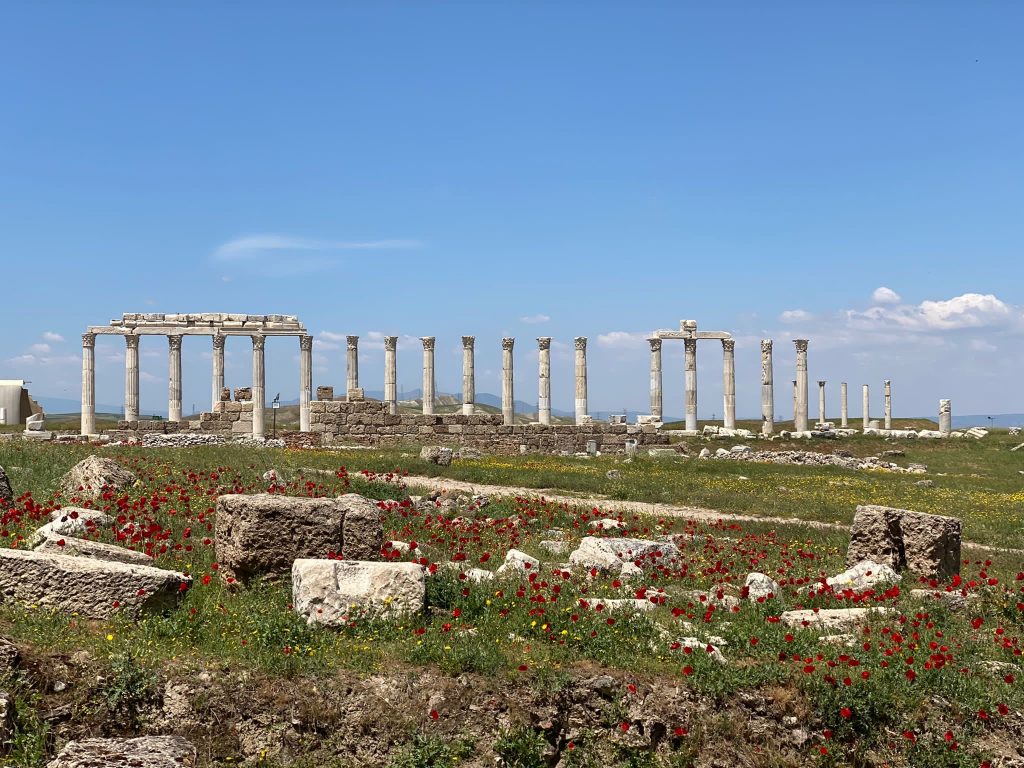
This is a very large ancient city with many sites to explore. You should set aside at least two hours for your visit. It can easily be combined with a trip to Pamukkale and Hierapolis. Wearing a hat is highly recommended, as there are no trees to provide shade. For more information, visit: https://denizli.ktb.gov.tr/EN-251394/laodikeia-ancient-city.html
Kısık Kanyonu (Kısık Canyon)
It’s a hidden spot and free to visit. There are no signs, making the canyon difficult to find. Visiting in spring is highly recommended, as the water in the canyon dries up during the region’s hot, dry summers.


Hançalar Köprüsü
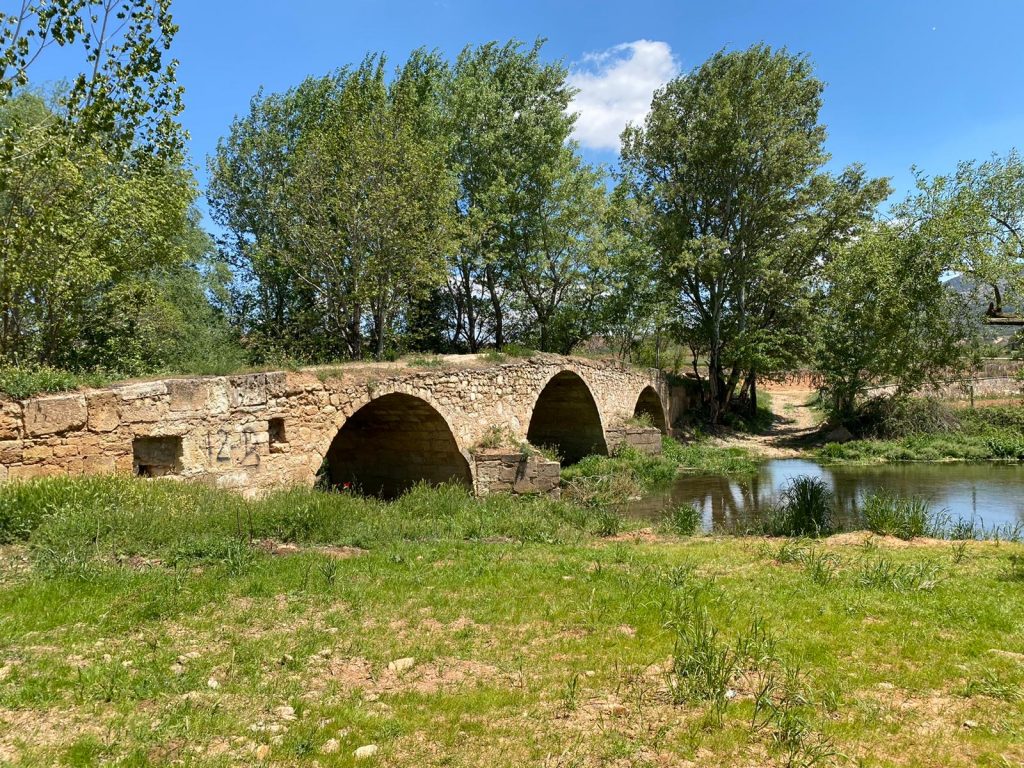
This is an ancient bridge, built over 700 years ago. There’s a small tea spot nearby—nothing fancy—but it’s still worth a visit for a brief stop to rest and recharge.
Kaklık Cave
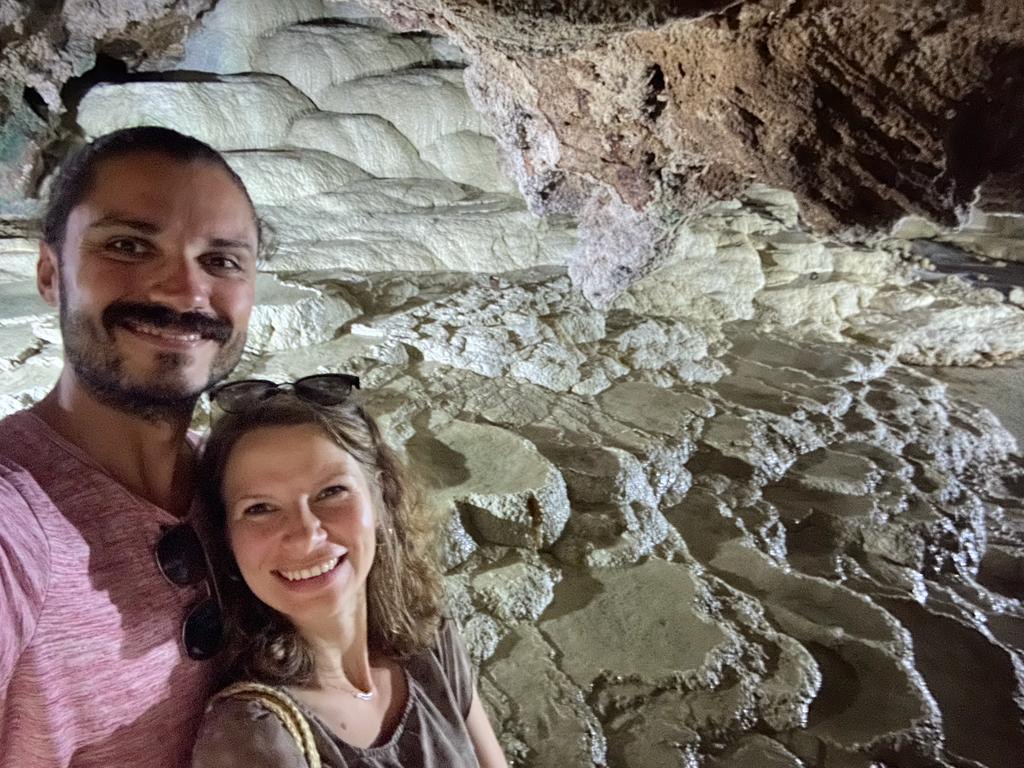
A hidden underground miniature of Pamukkale lies just along the route to the Çal Vineyard Route. Tickets cost only €1.50 and a full tour takes about half an hour. Wearing slippers is highly recommended as the ground is very wet.

Want to Explore More?
Here are some other resources you can read before your visit: