
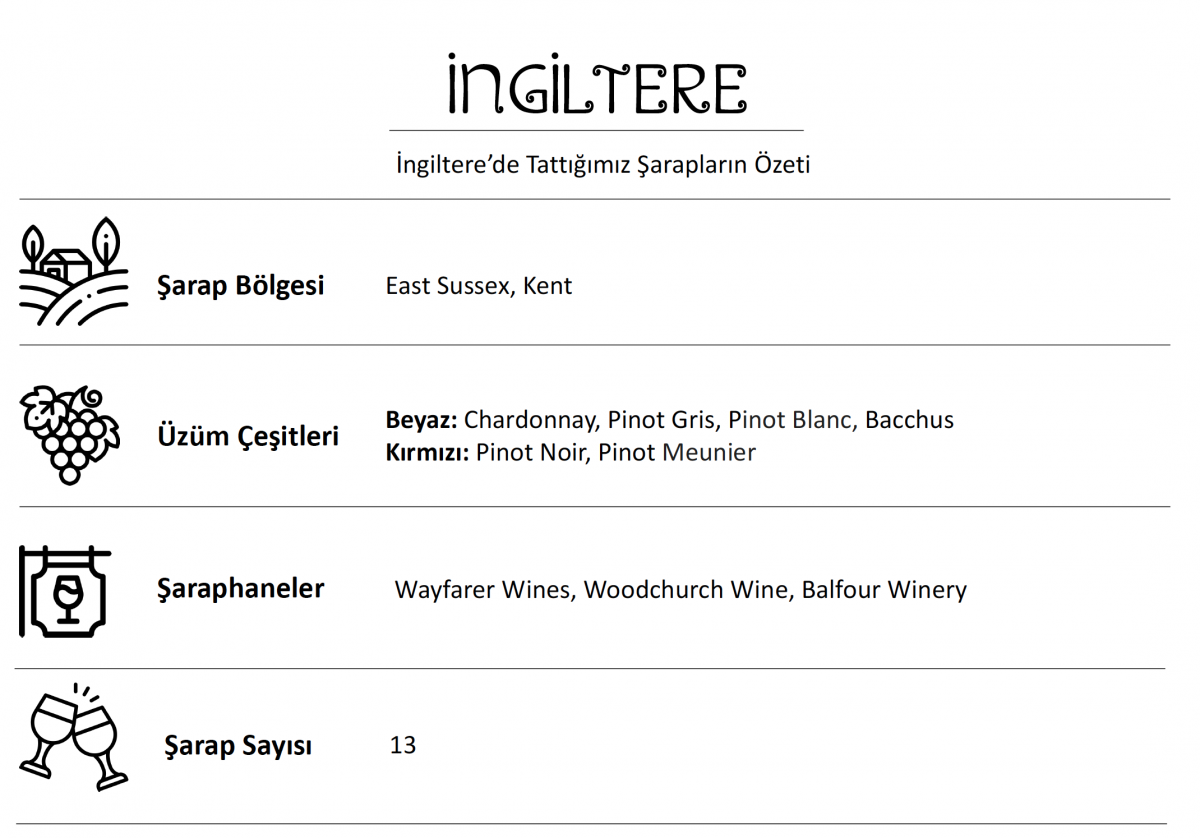
During our 1-week London trip planned for our WSET3 education, since we had come all the way to England, we didn't hold back from exploring this geography that is one of the world's newest wine regions.
Although England has only recently started to be associated with wine thanks to the effects of global warming, the wine history here is actually very old. The Romans, who invaded England in the 1st century AD, recognized the potential of the local climate and soil for growing grapes and established vineyards throughout the region. While wine production continued in the region for many years, it was disrupted particularly by the effects of World War I and II, and as it lost its importance nationwide, the country's vineyards were uprooted. In the 1970s, the sector began to revive. With the founding of Nyetimber in 1988, incredible momentum was gained. Today, there are more than 900 wineries within the United Kingdom.
In order to use our limited time effectively, we booked a private tour from the English Wine Tasting Tours tour agency. We were more than satisfied with this company throughout our entire trip, which also organizes open tours every weekend during spring and summer at more affordable prices. Our guide Justin, in particular, took great care of us at every moment of the trip.
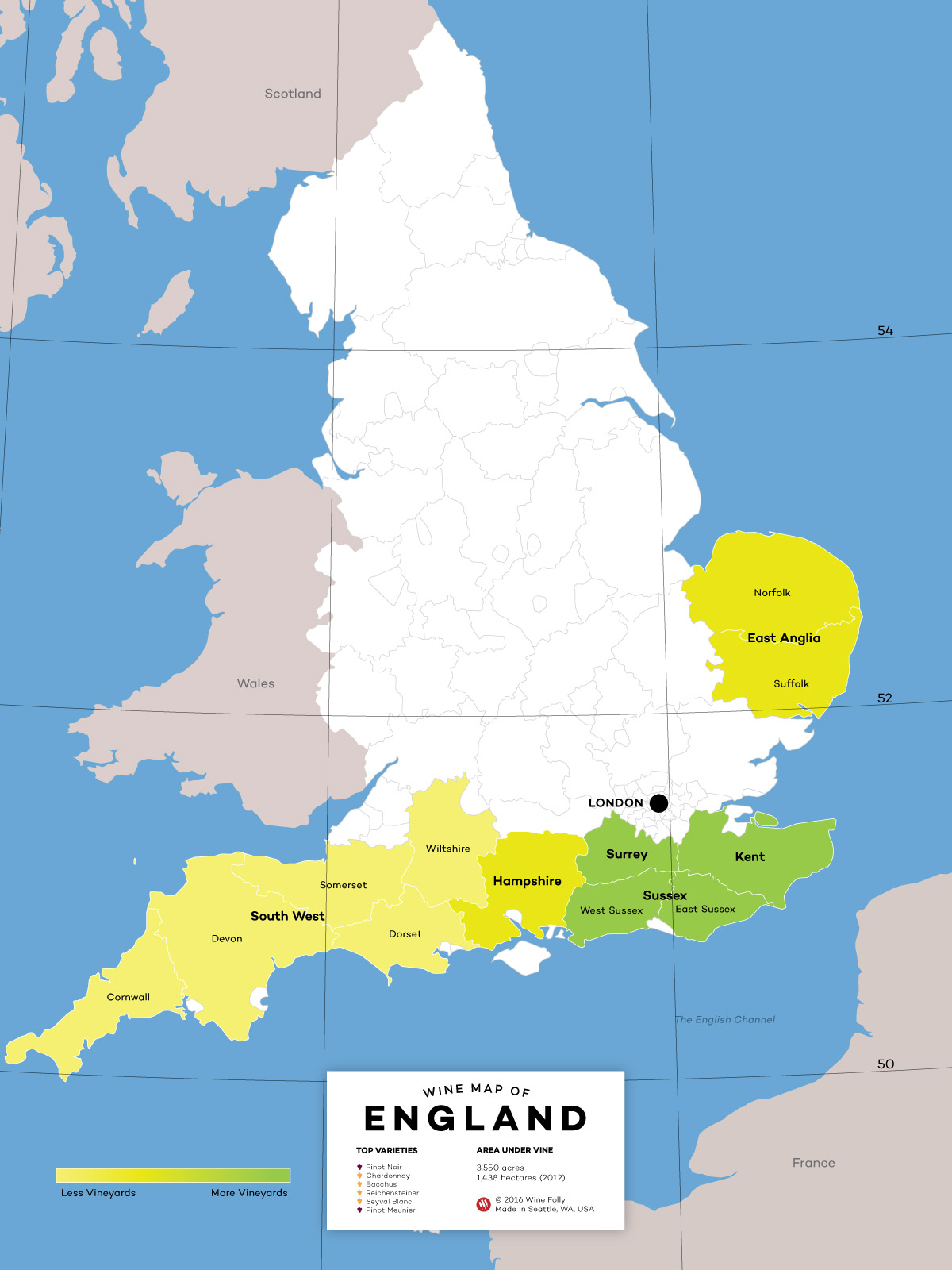
Our notes on the wineries and other touristic spots we had the chance to visit (Click to add to Google Maps):
Wayfarer Wines
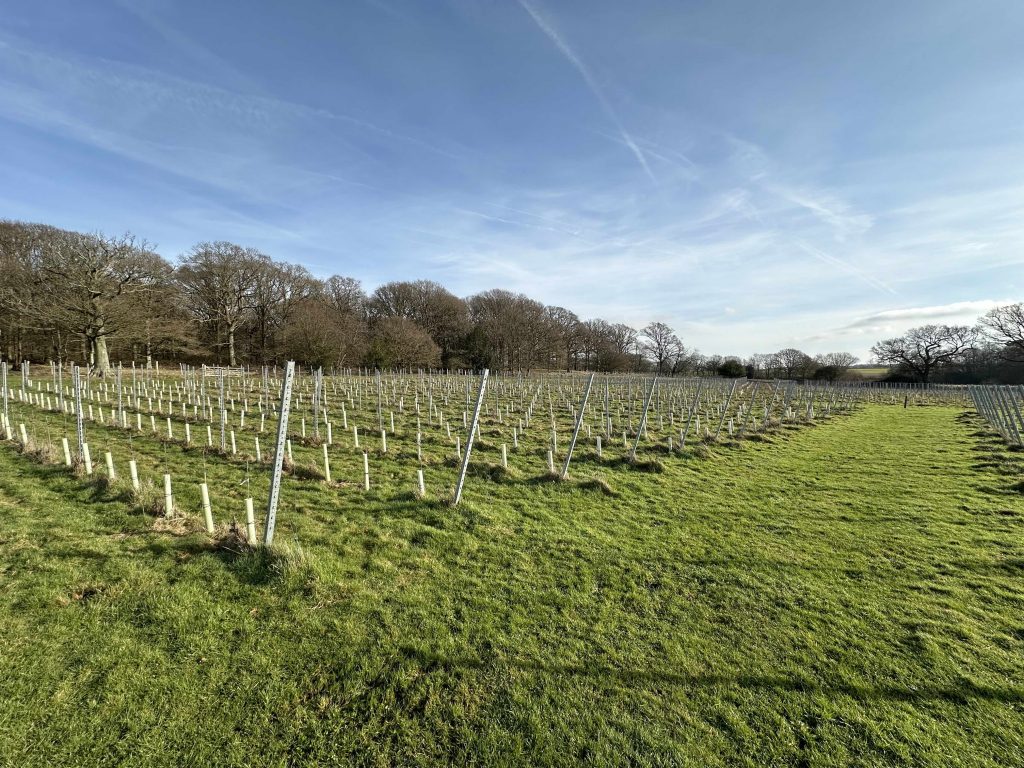
Wayfarer, one of the most boutique producers we have ever visited in the world, is a family business. When father Jeff Ashford shared his dream of this winery idea with his children, they embarked on this venture together with their 2 children. Today they have an annual production of between 3,000 and 5,000 bottles. They have 3,000 vines on a total of 7 acres of land. Their building is like a small container, incredibly boutique. They don't have their own production facility; they work with existing wine producers for their winemaking processes.
At this establishment, which is only open from Friday to Sunday, 5 glasses of wine with cheese pairing costs 25£ in total. At this venue where we tasted a total of 3 whites (Pinot Gris, Chardonnay, Bacchus) and 2 rosés (Pinot Noir-Dry, Pinot Noir-Off-Dry), it's possible to experience the classic characteristics of English wines (high acidity, low to medium body). We thus tried the Bacchus grape, which is very famous in Germany and preferred for its cold resistance, for the first time 🙂
Woodchurch Wine
Woodchurch, approximately a 5-minute drive from Wayfarer, was the second stop on our trip. At this winery, which has a total of 6 different wines consisting of 3 sparkling and 3 still, the price of a 3x50ml wine tasting menu is 12.5£. This facility, which is slightly larger than Wayfarer, has a balcony and garden with a wonderful view.
During the tasting presentation, we were especially impressed by Graham, who is also the owner of the winery, and his passion for and command of his own wine. Throughout the presentation, he shared even the finest details of the production process with us. While the first fermentation of the wine is completed at other facilities, they have set up their own facility specifically for the maturation stage of the sparkling wines, meaning they do half of their production at their own premises.
We definitely recommend visiting this producer, who takes a more experimental approach to wine and tries different techniques such as co-fermenting different grapes, for both their pleasant conversations and delicious wines if you have the time.
Balfour Winery
The largest producer we visited in the region was Balfour. We were quite surprised to see the production tanks outside the building here, something we were used to seeing at some wineries in Denizli. The problem with this design, which is done due to insufficient space, is of course not heat here, but cold 🙂 They use temperature-controlled tanks especially during winter months so the wines can continue their maturation.
This producer, which is the most elegant and largest in terms of venue, had truly wonderful presentations and ambiance.
We definitely recommend visiting this winery, where you can access many different tasting options through their website, especially to try English red wine. It's also an ideal place for having lunch or dinner accompanied by a beautiful view.
Touristic Spots
The Sussex region is also home to many historic structures. Since you've traveled all the way to the area, if you have the time, we definitely recommend visiting these as well. We were enchanted by the landscapes of this relatively rural part of England.
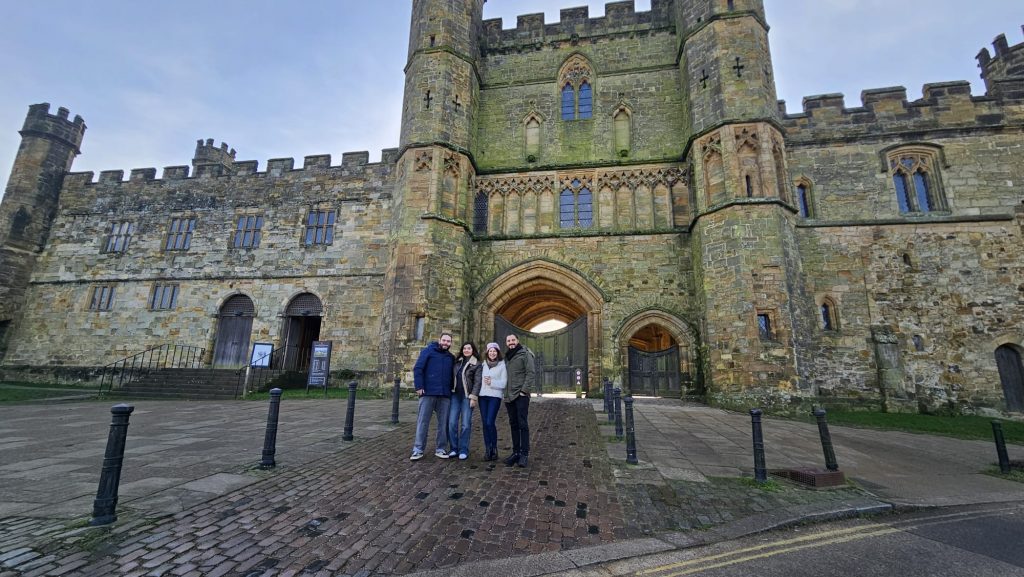
Battle Abbey: This abbey, built on the site where the Battle of Hastings between France and England took place, is home to many relics from the time of the battle. Unfortunately, we couldn't tour the historic area, which they said takes 3 to 4 hours to explore, due to our limited time. Still, it was worth seeing the abbey from the outside. Additionally, the town of Battle that hosts it is a classic English town. With its very old historic houses and charming cafés, it's definitely a town worth seeing.
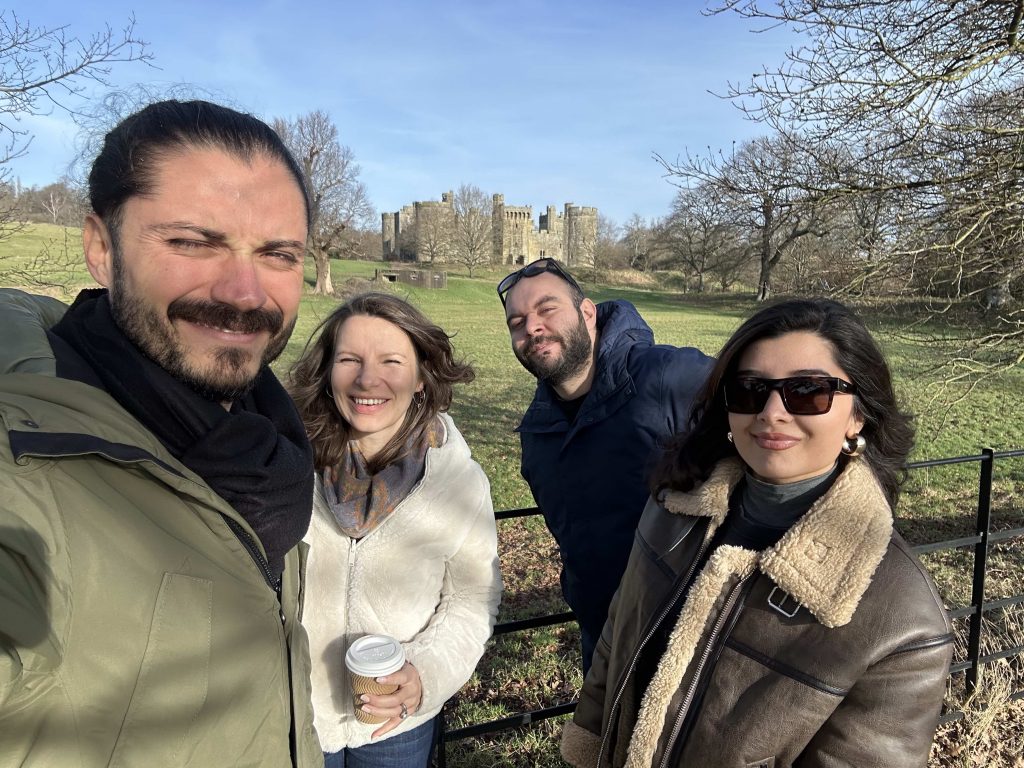
Bodiam Castle: Unfortunately, we could only see this castle, located 15 minutes from Battle Abbey, from the outside due to our limited time. This castle and its surroundings, with their beautiful setting, are definitely worth seeing.
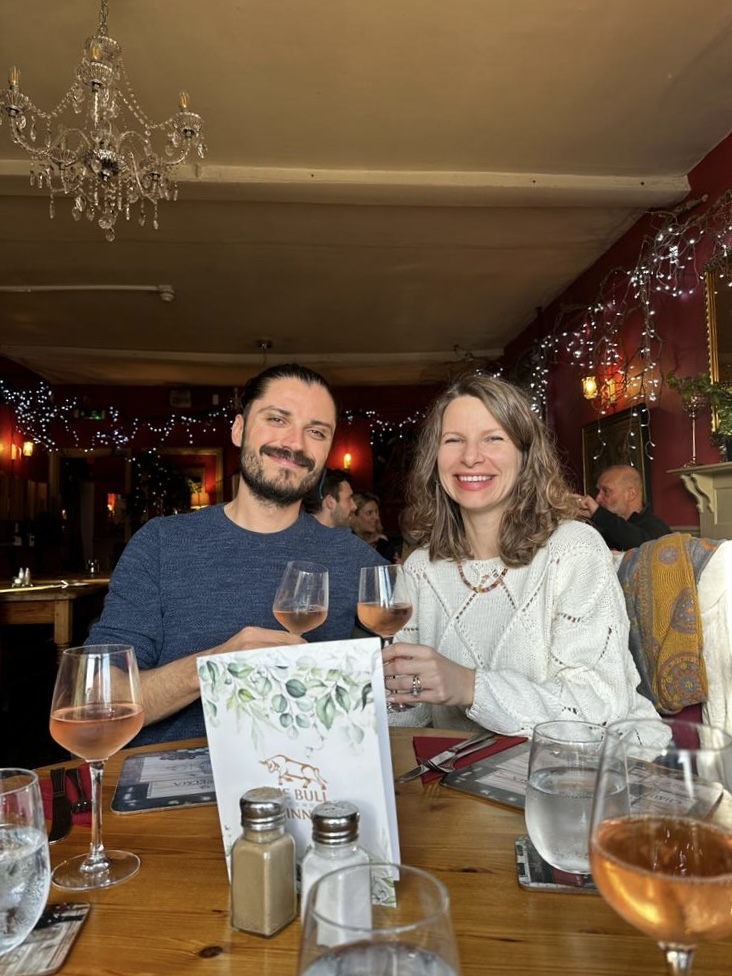
The Bull at Benenden: We had our lunch, arranged by our tour, at a place called The Bull in the town of Benenden. If you're wondering what a classic lunch in a classic English town is like, this is the right address.
General Comments and Notes
- Due to the climate of the region, the most commonly produced wine types are whites, sparkling wines, and rosés.
- The acidity of all wines is very high, and their aroma profiles are generally dominated by green fruits and citrus.
- Most producers in the region who make sparkling wine prefer to produce using the traditional method.
- Most producers in the region grow Pinot Noir grapes. Although it's predominantly used in sparkling wine production, it's also possible to find rosé wines at most producers.
- As for red wines, they can only produce them after very hot summers, so reds are unfortunately not available from every vintage.
- The vegetation of the vineyards is very original. There is generally a very dense grass cover, and its sponge-like texture with incredible water retention really surprised us.
- Because it's a cold region, German grape varieties are very common. The Bacchus grape in particular can be found at every winery. Red grapes like Dornfelder are also reportedly grown, but we didn't get the chance to try them.
- Vineyards generally have close planting, and the grass cover between the rows is generally maintained.
Favorite Wines
Our favorite wines we tried were:
- Woodchurch Winery, Field White Bacchus, Chardonnay, 2022, White: The aromatic profile of the Bacchus grape has created a nice balance with Chardonnay's higher and oilier body. Intense on the nose, acidity-alcohol balanced on the palate, full-bodied, an enjoyable and elegant wine. 7.30/10
- Woodchurch Winery, Classic Brut NV, Chardonnay, Pinot Noir, Meunier, White: Fruitiness is at the forefront on the nose, the bread-biscuit-pastry aromas typical of traditional method production are less present. Acidity is much higher than a normal sparkling wine, and fruitiness is also much more than other sparkling wines made with the same method. Nice fullness. A nice alternative sparkling wine for those who love aromatic wines. 7.20/10
- Balfour Wines, Brut Rosé, Pinot Noir, Chardonnay, Pinot Meunier, 2018, Rosé Sparkling Wine: Grapefruit, lemon, apple, sour cherry, fresh on the nose. With it being a rosé, there are red fruity aromas coming from the background. Its effervescence and fullness are superb. A wine that even people who wouldn't normally choose rosé could enjoy. 7.15/10
- Wayfarer Wines, Wandering Wayfarer, Bacchus, 2022, White: A quite floral and intense aroma profile on the nose, aromas like honeysuckle and orange blossom. Finishes very quickly on the palate but has high and balanced acidity. All the aromas from the nose also come through on the palate. High minerality. Could have been much more enjoyable if the finish weren't short. 7/10