
We finally made our trip to Japan, one of the places we most wanted to see in the world. During the preparation phase, as always, we had in mind exploring the wine regions and grapes of the places we were visiting. Japanese wines, which we had never had the opportunity to experience before, were right in the middle of the world map marking regions suitable for wine production. We had heard and tasted plenty of their whisky and sake, but what was the state of Japanese wines?
Years ago, we had first seen Japanese wines in a monthly newsletter email from Wine Wise. While making our own amateur wines, we had always internally called our wines Alps Wine, so you can imagine our surprise when we saw the email. There was an Alps Wine in Japan that had been established years before ours!
We immediately marked this place and other wineries in the region on Google Maps for our future trip.
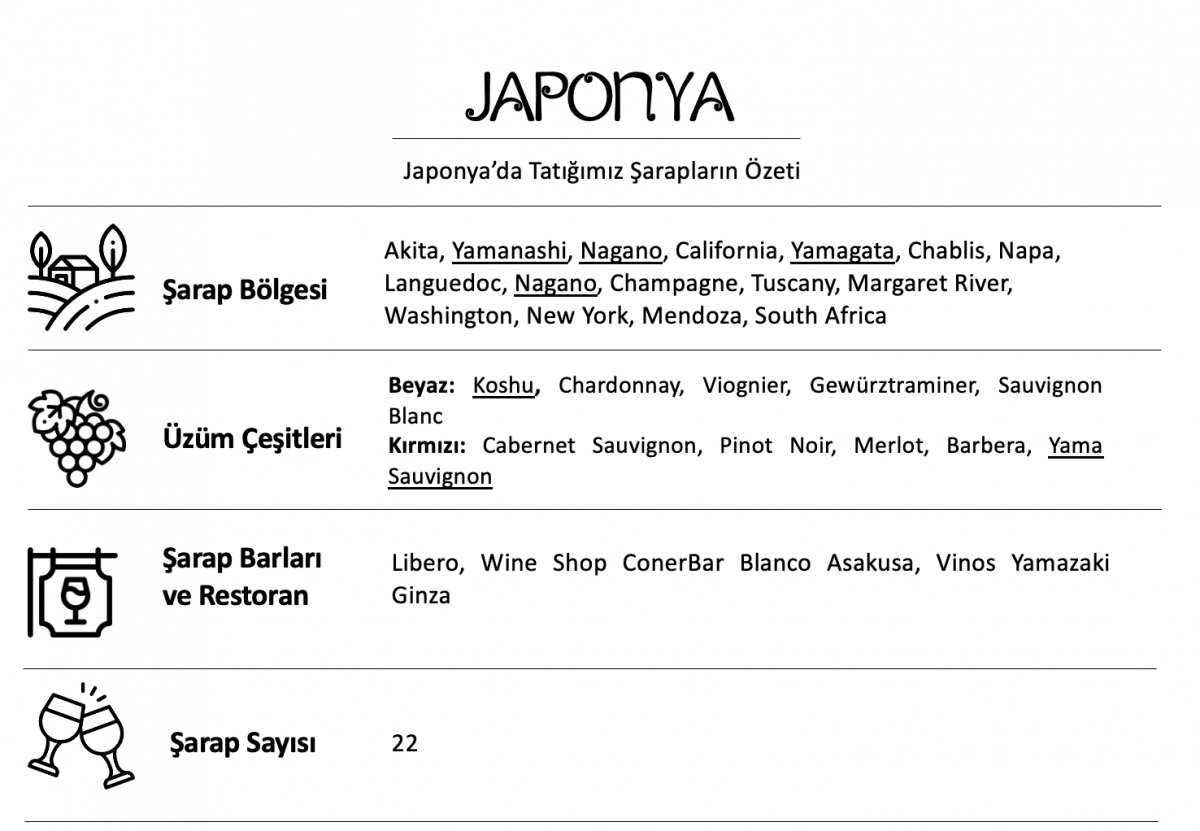
Although we tried to include the wine regions, especially Alps Wine, in our travel plans, we couldn't visit the production regions on this visit due to limited time and there being too many places to see in Japan. Instead, we tried to discover Japanese wines at the bars and restaurants we stopped by. However, this was not easy at all; it wasn't really possible to encounter Japanese wine at either restaurants or bars. The Japanese generally preferred to drink whisky and sake for local consumption. Although they consumed plenty of wine, they predominantly consumed imported wine. What was the reason for this?

Source: https://www.wsetglobal.com/knowledge-centre/blog/2021/august/24/how-does-geography-affect-a-wine-s-style
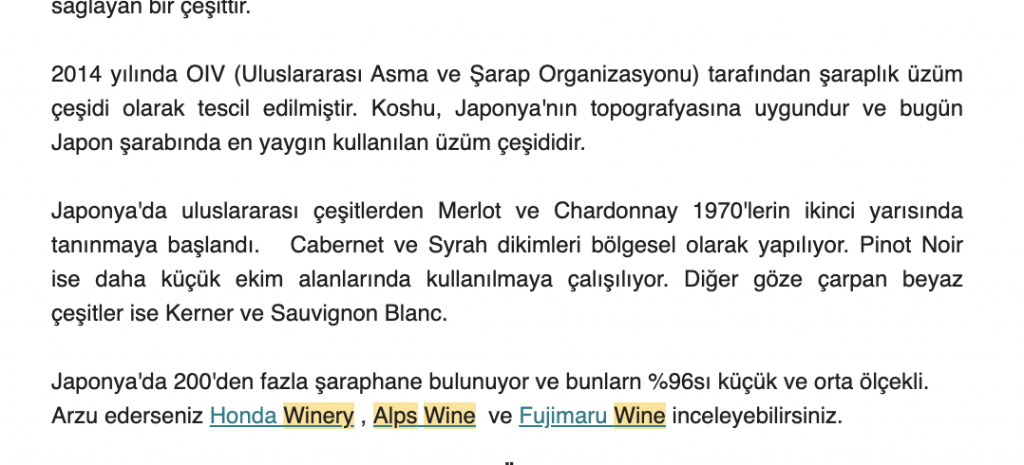
Japanese wines have not yet become widespread in the world. Production is mostly shaped around the Koshu grape in the Yamanashi region and some international varieties in Nagano. Koshu produces light-bodied, high-acidity white wines with generally delicate aromas; some producers also use it for sparkling wine production. In reds, Merlot, Muscat Bailey A, and Pinot Noir stand out. However, wine production volume is limited, and since the domestic market is largely filled with sake and imported wines, Japanese wines can't find a place on restaurant and bar menus. As far as we saw on this trip, local wines generally come from boutique producers and can be tasted when the curious seek them out.
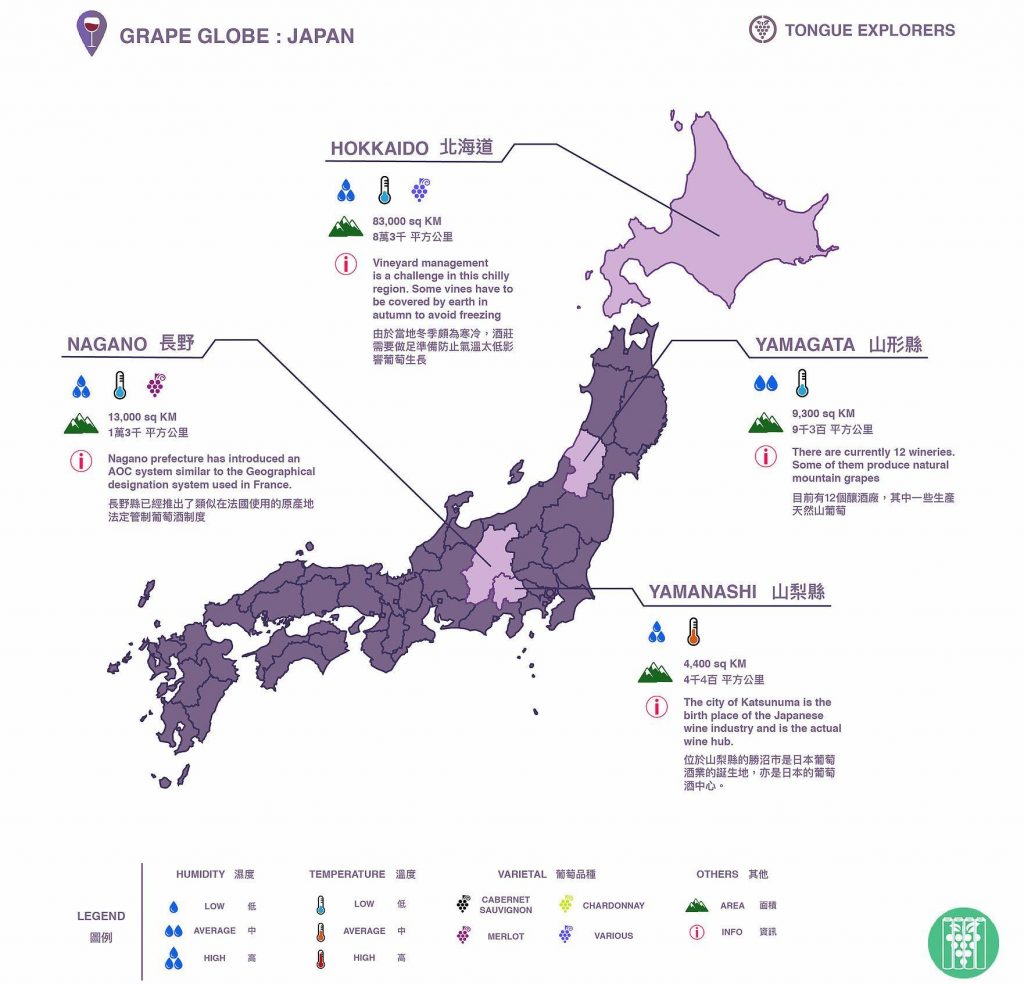
Source: https://japanmap360.com/japan-wine-map
Our notes on the bars we had the chance to visit (Click to add to Google Maps):
Libero
A small but warm venue where mostly American wines are offered. There are 6 by-the-glass options on the menu. In addition, you have the opportunity to taste special wines kept with the Coravin system. The owner of the venue is quite attentive and pleasant to chat with. Although prices are a bit high compared to the Tokyo average, the by-the-glass selections are really successful. We had the chance to drink the best Viognier we've ever tried here. When we asked the owner why he sells very few Japanese wines, he said he doesn't look very favorably on Japanese wines and that most of them are not at a quality wine level. He had us taste a Japanese wine that he serves at the bar and describes as the "best of the best" through the Coravin. We couldn't help but think, if this is the best of the best, what are the rest like? 🙂
Wine Shop ConerBar Blanco Asakusa
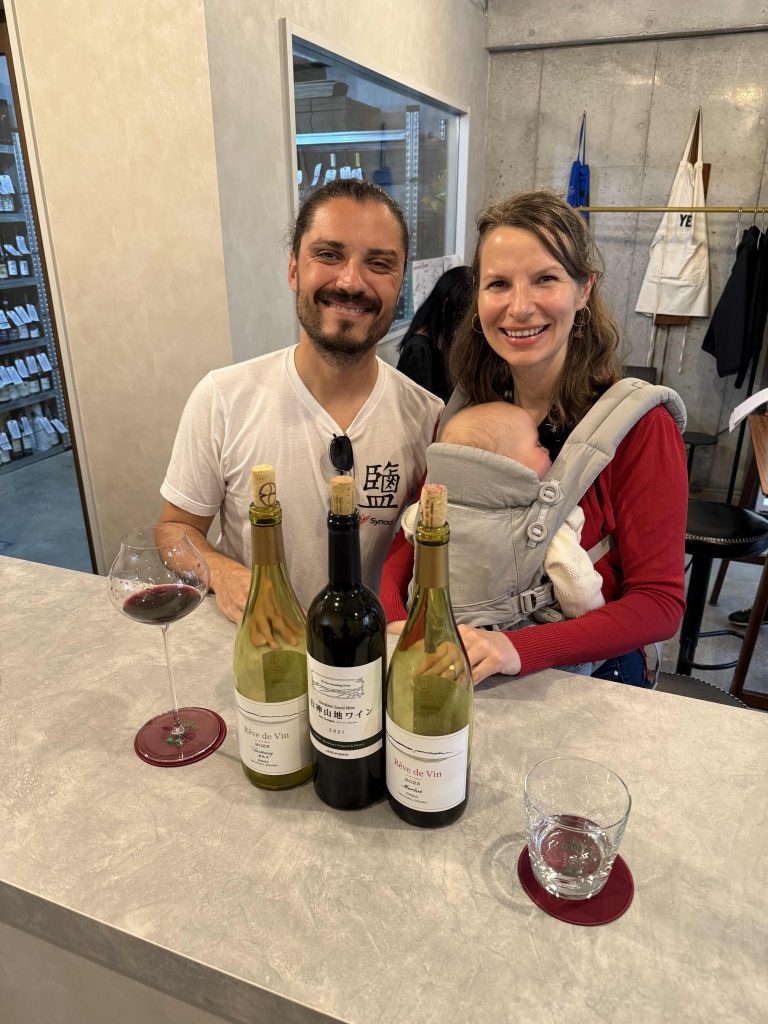
This bar in Asakusa stands out with its extensive bottle collection and 8 different by-the-glass options. When we went on a Sunday afternoon, the place was full and the energy was high. The atmosphere is really great; you can sit at the bar section and chat or browse through the bottle collection. The menu has many local and imported options, and the prices are quite reasonable.
Vinos Yamazaki Ginza
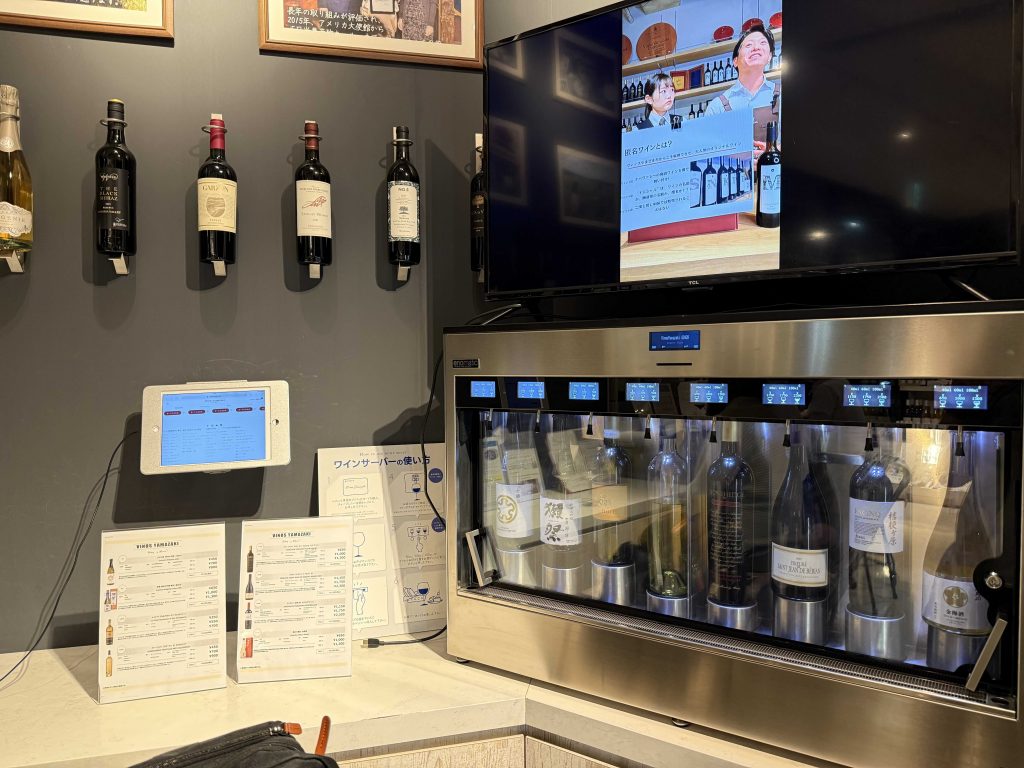
We had the chance to visit the Ginza branch of Vinos Yamazaki, which has branches in many locations. This is an address that wine enthusiasts should visit. There are a total of 8 wines in the wine dispenser that change regularly. In addition to this, 5 different wines are constantly served by the glass from the menu, and bottle options are unlimited. You can also have a bottle you purchased opened at the venue.

Sake options are also available at this venue, which is preferred by both Japanese and foreign customers. We had the opportunity to try Japanese sparkling Koshu wines here; they generally have a refreshing structure, but there are some deficiencies in acidity balance. Still, if processed correctly, much more complex wines could emerge.
General Comments and Notes
- We generally had difficulty accessing Japanese wines. You need to go to the production regions for detailed tastings.
- We generally found the Japanese wines we managed to taste similar to sake. Whether this is because of the Japanese fondness for sake, or whether the aromatic profile of the grapes causes it, we honestly couldn't tell.
- The Koshu grape, with its candy pink color, was the grape that caught our attention the most. It has also produced not bad results as a sparkling wine.
- Although we had difficulty accessing Japanese wines, it's possible to access many different wines from around the world. Since we don't have this much wine diversity in Turkey, we tried to taste plenty from different examples.
Favorite Wines
Although we drank many non-Japanese wines throughout the trip, we didn't neglect to make our favorites list so as not to do injustice to these wonderful wines we tried.
- 2022 Darioush Viognier, Viognier - USA, California, Napa Valley (5/2/2025) Extremely high aromatic intensity and concentration on the nose. Superb oak integration. In addition to floral and fruity aromas, there are herbal notes like tomato leaf, citrus, vanilla, and linden. On the palate, it's full-bodied, highly intense, long finish, and excellent aromatic concentration. Peach, nectarine, golden berry, yellow apple, cinnamon, sweet spices, and flowers. A truly outstanding wine—you just want to keep drinking it. (95 points)
- 2007 Prieuré Saint-Jean de Bébian Coteaux du Languedoc, Red Rhone Blend - France, Languedoc Roussillon, Languedoc, Coteaux du Languedoc (5/2/2025) Color: dark red with some browning at the rim.
On the nose: tertiary aromas are well-developed—smoked meat, grilled barbecue notes, mushroom, coffee, tomato paste, muscat.
On the palate: the body has noticeably thinned, but the aromatic profile remains vibrant. The finish is elegant. The same aromatic complexity is present on the nose and palate. Tannins are still present but have become velvety. Long finish with a touch of bitterness. A complex, balanced wine with a lighter body and extended finish. (92 points) - 2022 Havens Wine Cellars Cabernet Sauvignon Red Hills Lake County, USA, California, North Coast, Red Hills Lake County (6/3/2025) On the nose: eucalyptus, fresh black fruits, subtle oak, sour cherry, latte, cassis.
On the palate: baby biscuit dominates; tannins are high but soft; full-bodied with a long finish. Aromas on the palate reflect the nose. Oak is present and well-integrated. Fruitiness is quite pronounced. Very enjoyable to drink, great even on its own. (91 points) - 2023 Frog's Leap Sauvignon Blanc Rutherford - USA California, Napa Valley, Rutherford (6/3/2025) On the nose, it shows both floral notes and typical varietal characteristics like cat pee and asparagus. Intensity is medium+. There's also stone fruit like peach. On the palate, acidity is strong, intensity medium, body medium, and the aromas mirror the nose. The finish is long, with flavors lingering quite a while. A well-balanced wine that reflects the varietal character very well, with particularly good intensity on the palate and a long finish—though not complex. (91 points)