
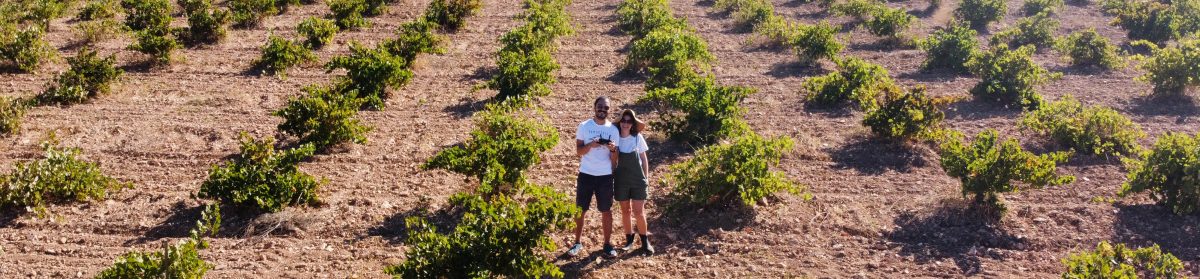
South America was a route we had dreamed of traveling for years. Machu Picchu, in particular, was always at the top of our travel list. After having to cancel our Peru trip several times due to the pandemic and various other reasons, we found the opportunity to realize it in 2023 by expanding the route into a Grand South America itinerary. Although our trip was entirely built around cultural landmarks, we didn't neglect discovering plenty of wine in the cities we visited.
Despite spending very little time in Chile and Argentina, the major wine regions along our route, we structured our entire trip around wine. In places like Peru and Bolivia, which aren't popular for wine, we made surprise discoveries. As with every trip, we collected wonderful memories while chasing wine throughout this journey and returned to our usual routine.
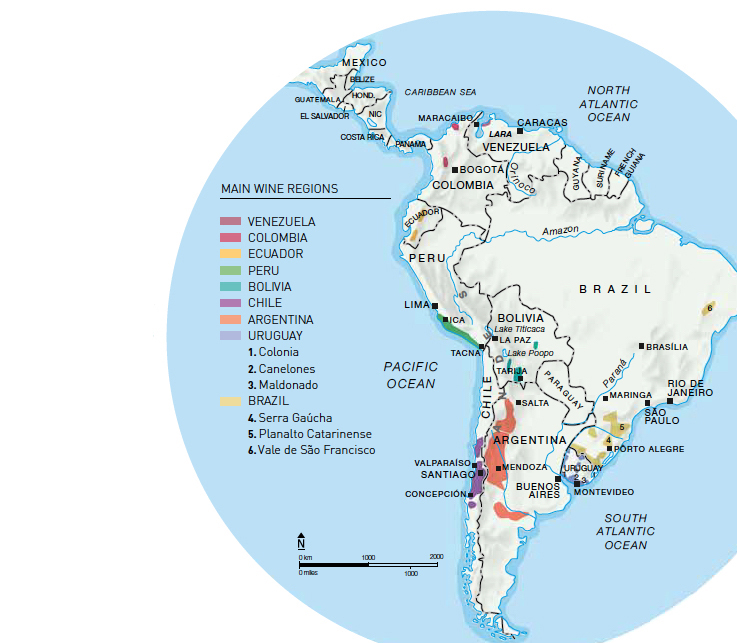
Source: https://www.ozclarke.com/2017/12/01/world-of-wine-discover-south-america/
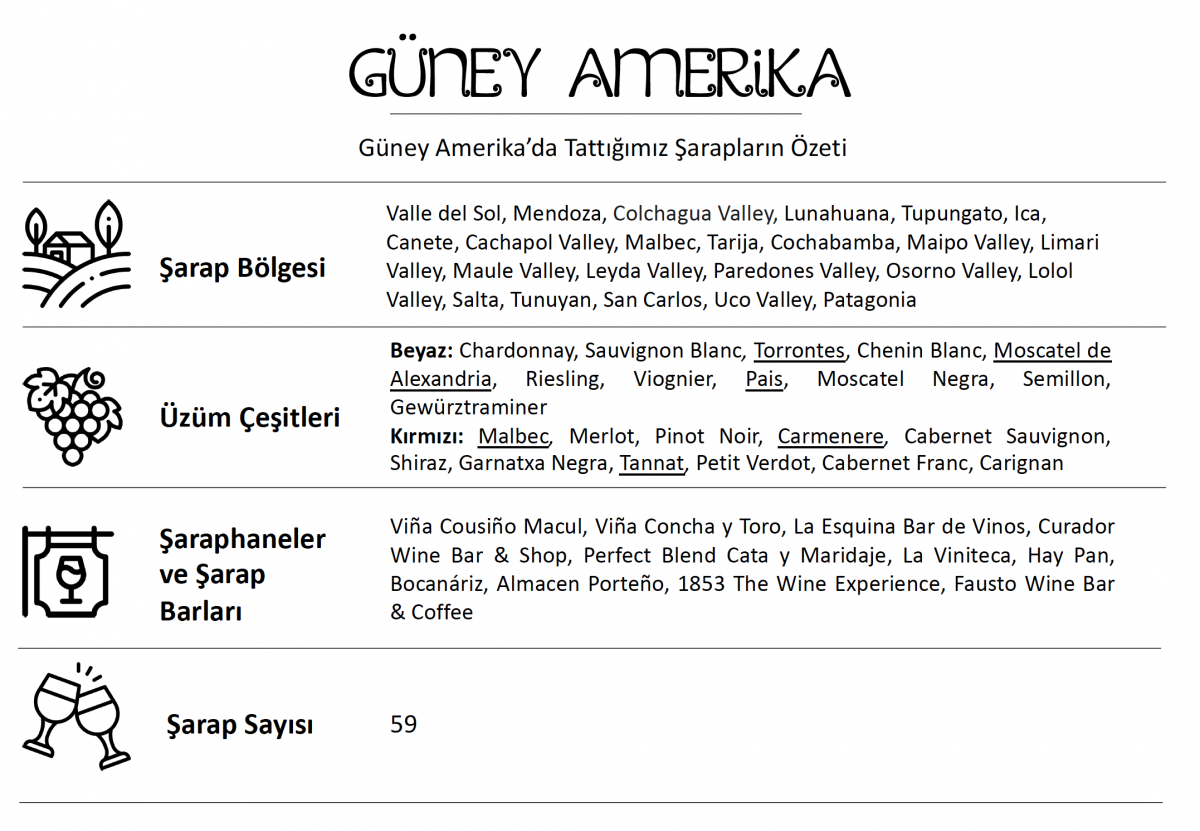
Our notes on the bars, wineries, and other touristic spots we had the chance to visit (Click to add to Google Maps):
Lima (Peru)
Although Lima is home to many wine shops and wine bars, wine culture is definitely not widespread in the city. The existing wine bars mostly carry wine options from other countries like Spain, Argentina, and Chile. In Peru, which produced around 80 million liters of wine in the 1600s and currently has only 85 producers in the Ica Valley, it's unfortunately not possible to find most of these wine options in wine bars and restaurants. Pisco, a type of brandy and the country's most common drink, generally dominates the drinking culture in the country. Because of this, Peru resembles our country both culturally and historically when it comes to wine.
The most interesting thing that caught our attention in Peru was the way the vineyards were planted. To protect against heat and birds, the vines were both planted very close together and completely covered with netting.
Curador Wine Bar & Shop
One of the most punctual places we've ever seen when it comes to time. On the day we went, this place opened at 8 PM and we arrived at 7:45. Even though the inside looked open and ready, they made us wait until exactly the opening time and let us in at 8. 🙂 We entered this place congratulating them on adhering to their principles, and the food was quite good, we especially loved their mushroom pizza.
This wine bar has a menu with by-the-glass options that change weekly, where you can taste 3 different whites and 3 different reds each week. The wines were generally selected from Peru, Argentina, and Chile regions, and on the day we did our tasting there was also 1 French wine. If you ask for different wines (especially Peruvian wines), they can open 1 or 2 more bottles to give you extra help. Their service was incredibly professional. Although we found some average wines in their selection, it was a very enjoyable place for a pleasant dinner.
Perfect Blend Cata y Maridaje
At this wine bar where we had some difficulty communicating due to the language barrier, we managed to get by somewhat thanks to Google Translate. At this place where you can get a glass (15 cl) of wine for about 25 SOL (6 USD), if you want a wine tasting, you can get 3 small 5 cl glasses per person for about 60 SOL (16 USD). At this wine bar where buying by the glass makes much more sense, make sure to ask about all available options. When we first arrived, there were only 2 options available by the glass, but as we tried them and kept asking if there were more, they ended up serving from a total of 6 or 7 open bottles. While wines from all around the world can be found as options at this venue, it's primarily possible to access Peru, Argentina, and Chile wines.
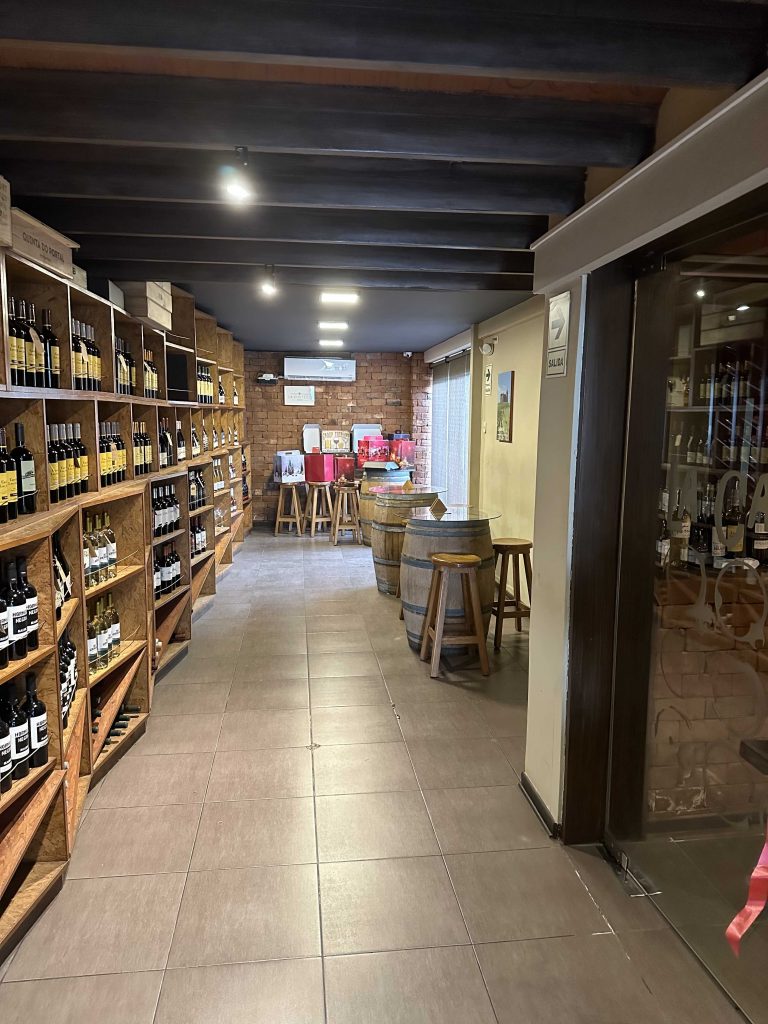
La Viniteca
The main feature of this venue is its wine shop, and normally they also offer by-the-glass service using a Coravin. When we went, their Coravins were broken so we couldn't do a tasting, but if you go with a group you can have them open a bottle to share. The wine shop is very rich, the staff speaks English, and they're very attentive. It was the first place in Peru where we could talk about wine in English. They answered many of our questions. It's worth visiting just for that alone.
La Esquina Bar de Vinos
When we arrived at this wine bar, which we had visited after seeing plenty of by-the-glass options on their old menus via Google Maps, we found out they only had bottle service and were very disappointed. With the lightness of having now seen a wine bar with no by-the-glass service in our lifetime, we continued our explorations without slowing down.
Bonus: ChocoMuseo
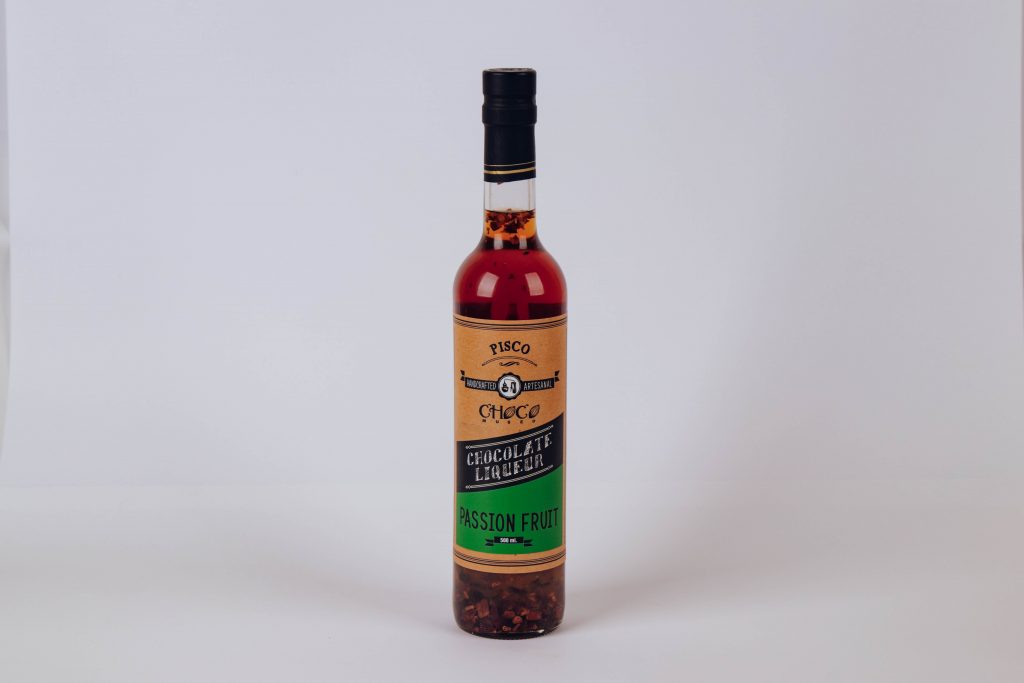
At this venue that makes different liqueurs based on Pisco, a grape brandy made from the Muscat grape, you can taste all the drinks for free. At this place with liqueurs that all differ in flavor, we especially loved the Passion Fruit and Goldenberry based liqueurs.
Source: https://www.chocomuseo.com/peru/online-store/chocolate-liqueur/
La Paz (Bolivia)
Bolivia was the place that surprised us the most about wine throughout our entire South America trip. Unlike Peru in particular, every restaurant, café, and bar we visited predominantly carried Bolivian wines. Thanks to this, we were able to taste Bolivian wines plenty. Drinking original wines made from grapes grown at high altitude in this country, whose name we had never heard of in the wine world before, gave us a unique experience. When approached objectively, this country, which offers wines very different from the wines we are accustomed to, clearly impressed us with its characteristic wines. From a 2021 vintage Tannat wine that smelled completely of iodine, to Muscat grapes with the harshest and most pungent aromatic profile we've ever tasted, it surprised us quite a bit.
Hay Pan
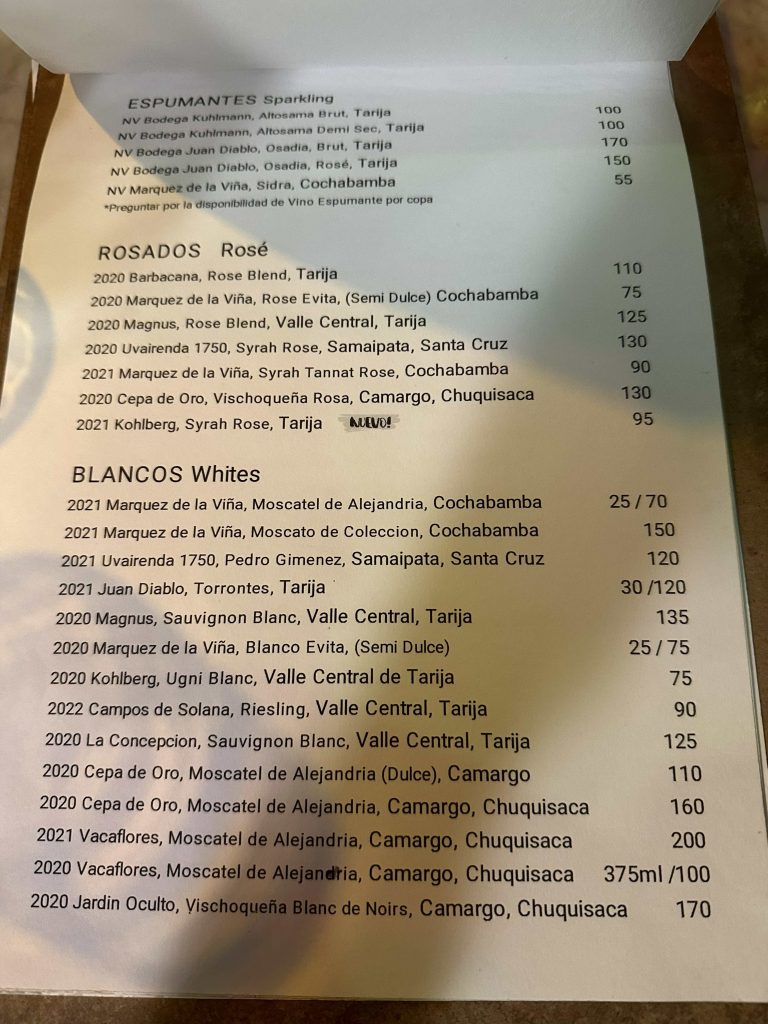
This wine bar, which only has Bolivian wines on its menu, is truly an oasis in the desert for wine lovers within the chaotic La Paz atmosphere. At this small family-run establishment offering many options both by the glass and by the bottle, we had the chance to try a total of 6 wines by the glass. Although the owners don't speak very good English, we bridged the gap through Google Translate. 🙂 While we didn't enjoy the food much at this wine bar, we definitely recommend stopping by to access the wide selection of Bolivian wines.
Bonus: Coca Museum
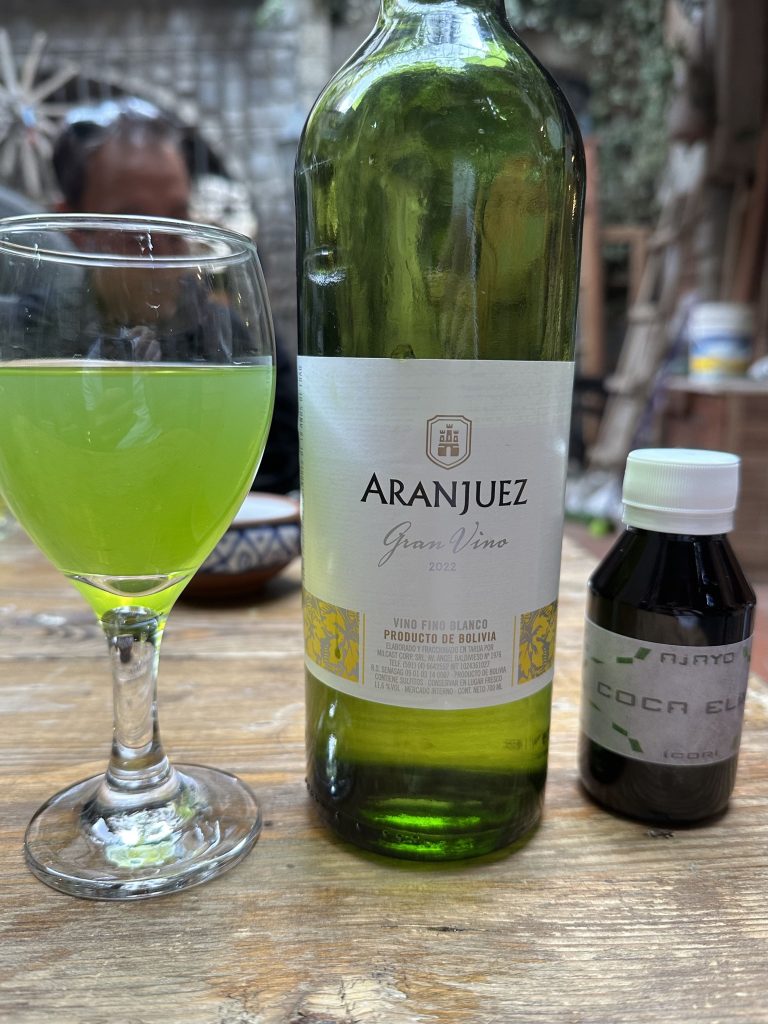
The use of the Coca plant, from which cocaine's raw material is derived, is still quite common in the region. This plant, consumed especially as tea, is perfect for oxygen deficiency at high altitudes. There is a museum established to tell the history of this coca plant, which also has different consumption forms such as sugar, chocolate, etc. At the museum's cafeteria, you can drink coca-infused beer and wine cocktails.
As a couple who don't normally enjoy wine-based cocktails very much, we found the Coca-Wine cocktail quite original and worth trying. The balance of this cocktail, made using a full-bodied Muscat grape-based wine, is very well calibrated. For a different experience, we definitely recommend trying it if you're in the area.
Santiago (Chile)
Although Santiago was one of the places where we spent the least time on our trip, it was one of the countries with the most options when it came to wine. Thanks to the many wine regions very close to the city center, we had the opportunity to visit 2 wineries and 1 wine bar. We left this beautiful city, where we couldn't get enough of the quality wines, with tears in our eyes and the taste still on our palates, dreaming of the days we would return.
Viña Cousiño Macul
Located in the Maipo Valley, half an hour from the city of Santiago, Cousiño Macul is one of the closest wineries to the city. The oldest winery in the region, founded in 1856, has moved its main production facility to a location further outside the city and preserved this old facility solely as a tasting venue and museum.
This winery, which offers many tasting options in different concepts and reservation availability on its website, is incredibly crowded, especially on weekends and afternoons. We had originally planned to visit this venue in the afternoon, but since it was full, we had to visit early in the morning. Since English tasting sessions are much fewer compared to Spanish, the spots fill up very quickly, so we definitely recommend making a reservation in advance.
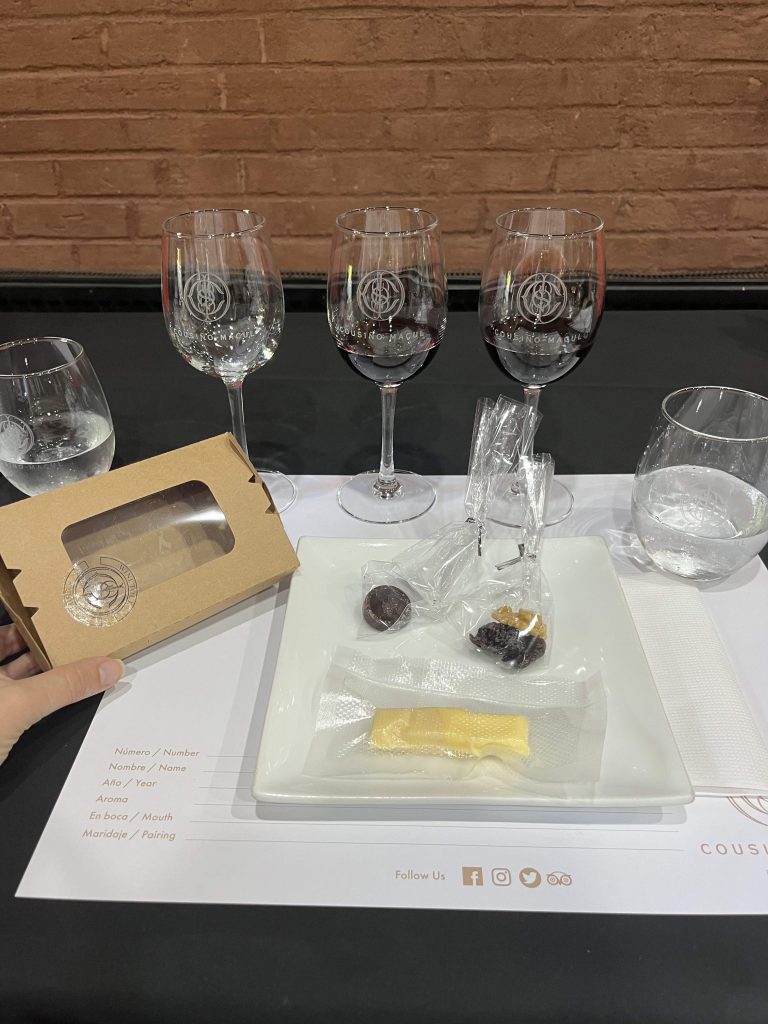
We purchased the premium 6-wine tasting and winery tour package. This tasting set, at 30 USD per person, was a bit pricey, but the average for tastings in Chile is unfortunately at this level. In this package, 3 wines are tasted at the production facility, and 3 more premium wines are served after the facility tour is completed, with a total duration of 90 minutes. Although the presentation in the last part was a bit rushed to fit the tasting within the time limit, the venue earned full marks from us with both the warmth of the staff and the quality of the wines. Especially drinking wine in their historic cellar and listening to their stories was very enjoyable.
The part of the facility we admired the most was undoubtedly the cellars. With no windows and therefore no light, visibility in these cellars is only possible by candlelight. These old cellars, built in a cave style, maintain their coolness through natural methods. They contain many wines that have been aging since the 1900s. The door to the section with the most recently aged wines was last opened as a gift when the Prime Minister of England visited four years ago.
When going to the venue, you need to leave early to account for city traffic, as Google Maps doesn't show the traffic in the city very accurately.
Viña Concha y Toro
This producer, located one hour from the city of Santiago, is one of the largest in Chile. The history of this producer, which also owns the Casillero del Diablo brand commonly found in our country, goes back very far. Founded in 1870, this producer is established on a 220-acre plot of land. They have a 22-room house built in 1870 that belongs to the owners. Since they were far from the city, they also built their own church next to the house, and in the 1950s this church was opened to the public and removed from within the facility. This large facility, which has an artificial lake built to irrigate the vineyards, was one of the most fantastic wineries we've ever seen.
This winery, which offers many tasting options in different concepts and reservation availability on its website, had a similar crowd to Viña Cousiño Macul. Because of this, it's definitely worth making a reservation before going.
The first step of our tasting tour, for which we purchased the 7-wine MCC package, involves an exterior tour of the producer's house built in 1870. Next, the tasting and presentation of the first 3 wines takes place at the outdoor tasting area in the garden. Afterwards, a tour of the vineyards with 20 different grape varieties is conducted. Then comes the tour of the Devil's cellar, which also gave the Casillero del Diablo its name. During this tour, the legend of the devil/ghost that was famous in this region in the old days is told accompanied by light shows. In the final section, for the tasting of the remaining 4 wines, you separate from the main group and do a detailed tasting in a different area with one of the sommeliers. This tour, for which we paid 37 USD per person, was quite rich as a winery visit. In terms of wine, while the first 3 were well-selected wines, our last 4 wines were a bit average (though the cheeses served alongside the wines were superb). Because of this, it's worth looking at alternative packages besides MCC.
The most interesting piece of information we learned during the tour was the egg whites used on the walls of their main cellars to increase earthquake resistance. While it may seem like a simple technique by today's standards, considering the 1870s, it's quite complex both in terms of cost and the technique used. This once again shows the importance the family gives to wine.
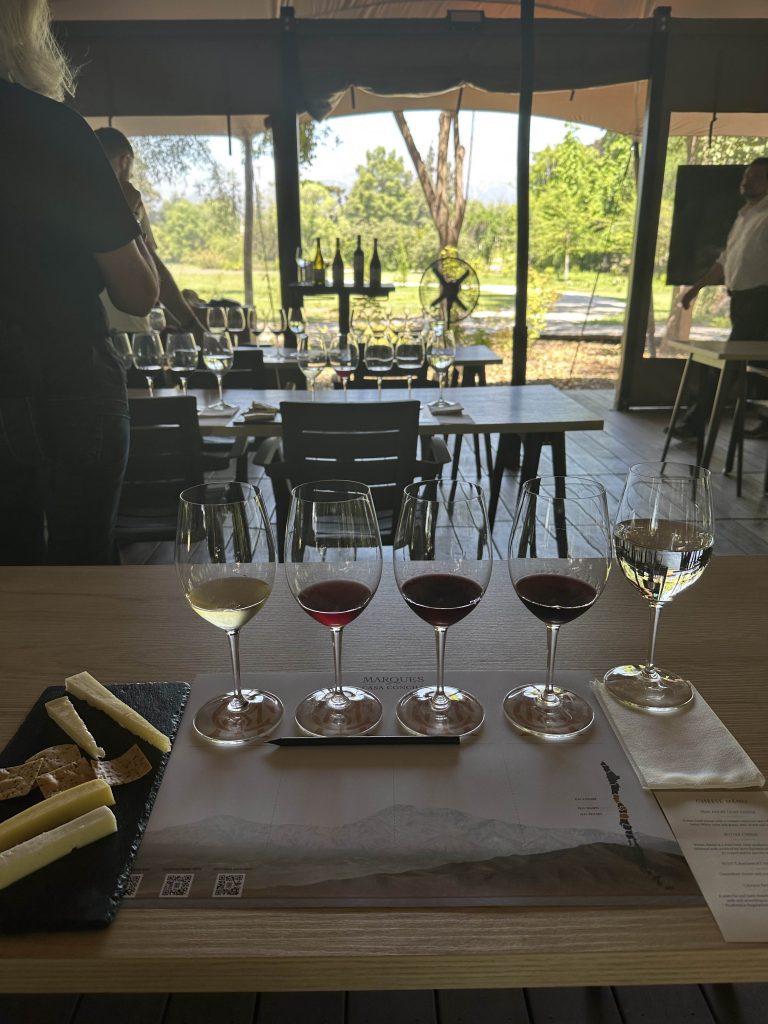
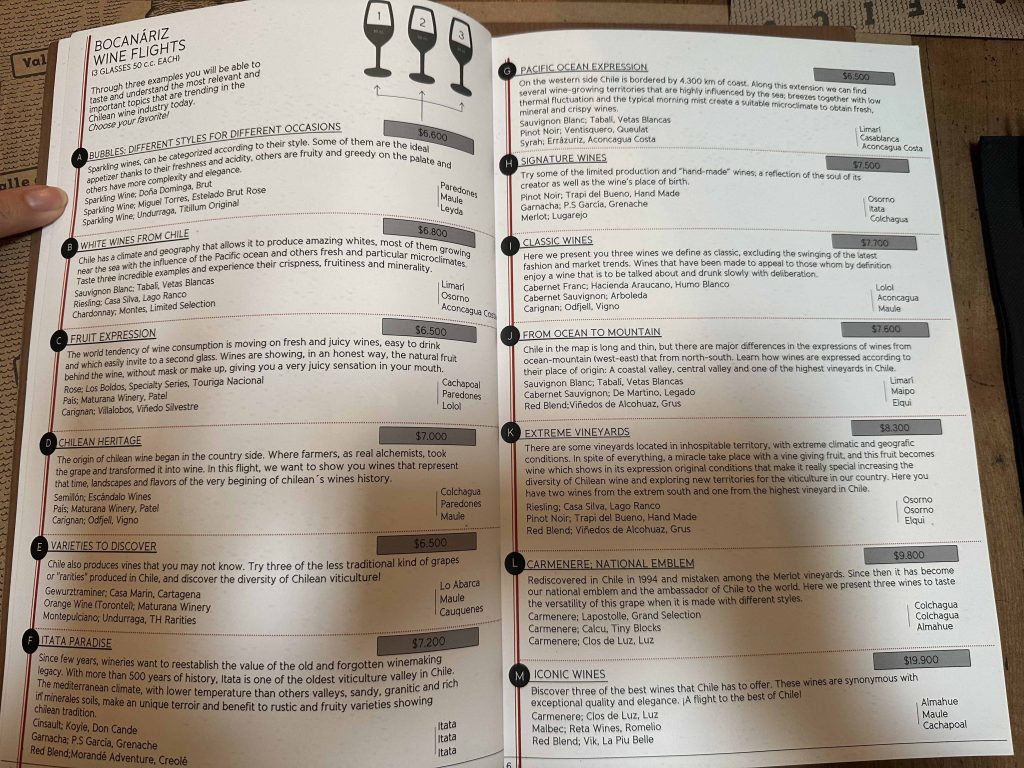
Bocanáriz
We had our dinner in Santiago at a magnificent wine bar called Bocanáriz. This wine bar, which is an absolute paradise for trying different wines, offers 32 different wines available in both 5 cl and 15 cl pours. In addition to its wine richness, this venue also has excellent food, and we definitely recommend stopping by if you come to the city. If you ever visit this place, which we dream of going to at least once a week if we ever move to Santiago one day, don't miss the mushroom risotto.
Santiago Wine Club
This boutique wine shop, located just a 5-minute walk from Bocanáriz, offers tourists a very comfortable shopping experience thanks to its English-speaking owner. Considering that 2 of the wines we bought from the selection recommended by the owner turned out to be our favorites out of all the wines we tried throughout our entire trip, we definitely recommend stopping by to purchase wine.
Buenos Aires (Argentina)
Although we spent even less time in Buenos Aires than in Santiago, thanks to the wine dispensers found at many venues in the city, we had the opportunity to try 5cl, 10cl, and 15cl glasses of different wines.
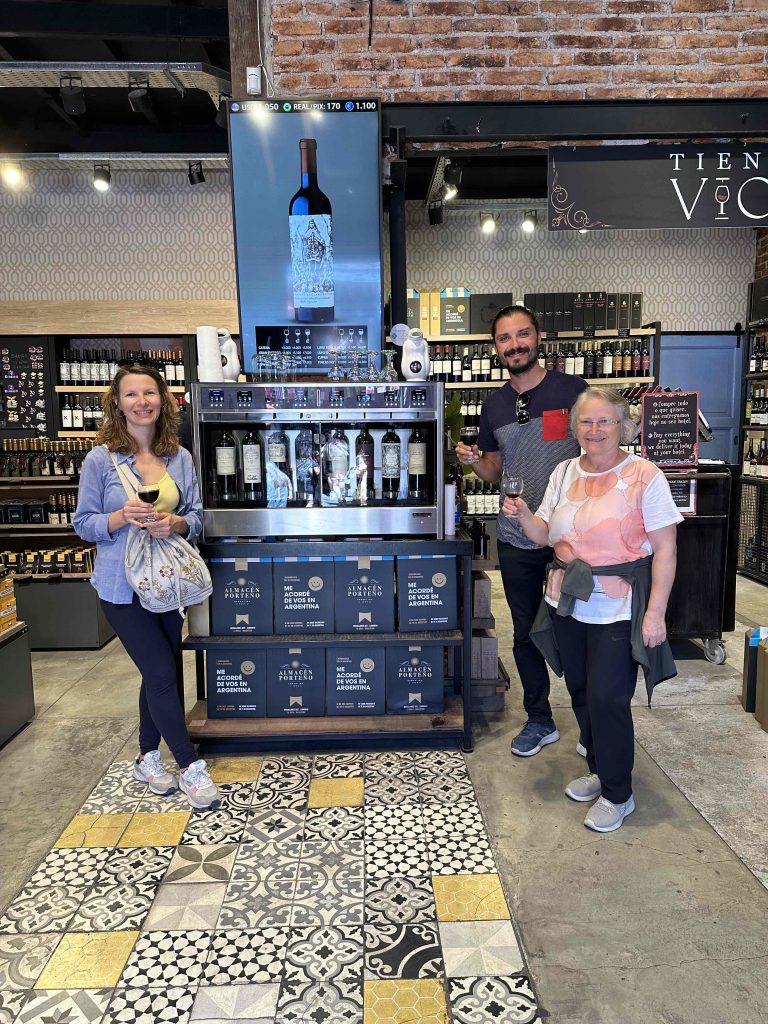
Almacen Porteño
At this market located in Boca, one of Buenos Aires' most popular tourist areas, it's possible to taste 8 different types of wine from the wine dispenser. A perfect place to catch your breath while on the tourist route and taste different and fine Argentine wines.
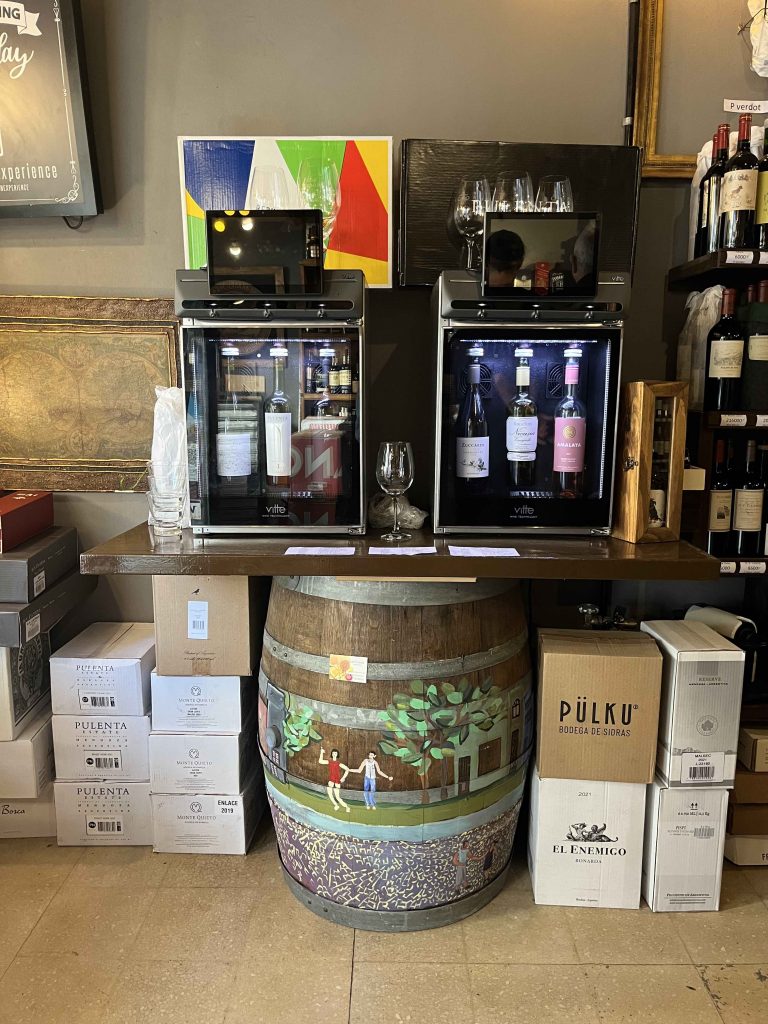
1853 The Wine Experience
At this wine shop located in the very popular tourist area of San Telmo, you can get by-the-glass service from the 6 options in the wine dispenser or have a bottle opened.
Besides the quality of the wines offered, this wine shop completely won us over with its owners. Although the owners, who were the most attentive people to customers we met during our entire trip, don't speak English, they gave us one of the warmest tastings we've ever had. This venue, where we drank 6 glasses of wine for a total of 18 USD and the 3 bottles we bought to take home cost only 27 USD, became one of our favorite places on the trip with its pricing, wine selection, and the attentiveness of its staff.
Fausto Wine Bar & Coffee
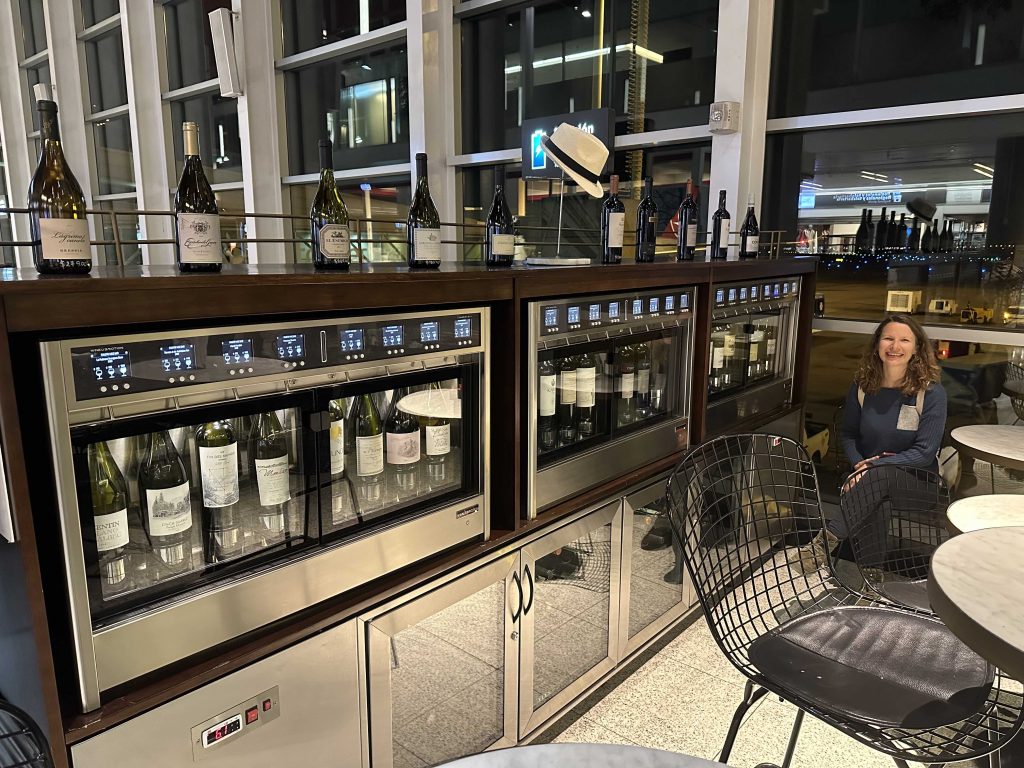
Just as we were lamenting "Why did we come to the airport this early, we could have visited at least one more wine bar in that time," we came across Fausto Wine Bar, which surprised us quite a bit. This wine bar, where you can get 24 different wines in 5cl, 10cl, and 15cl options, is located after passing through all security checks at the airport. This wine bar, which is an incredible service for wine lovers, also proved that Argentina is truly a wine country.
The biggest surprise we experienced about the place was that the wines listed on the price displays were completely different from the actual wines below them. For example, on top of a 2012 wine was the name and price of a 2023 wine, while on the 2022 wines there was a different wine from the 2016 vintage. The wine bottles had been updated but the electronic names and prices in the dispenser had not been updated. Although we warned the staff about this, since they couldn't update the system, they couldn't make any changes and gave us the quality wines we selected at their cheaper listed prices. 🙂 As the last stroke of luck on our trip, during the time we waited at the airport, we found the opportunity to taste Argentine wines one last time in both an affordable and enjoyable way.
General Comments and Notes
- Chile and Argentina are countries that truly value wine. Places that every wine lover would enjoy visiting and exploring extensively. As for Peru and Bolivia, although they have no particular claims about wine, when you visit to see how different wines can emerge from different geographies and climate conditions, you should definitely give their wines a chance.
- The Malbec examples we tried in Peru were very different from Argentine Malbecs. These Malbecs, with less fruity profile, lower body, and dominated by more spice aromas like eucalyptus and thyme, had a style that clearly stated they came from a different region.
- All the wines we tried in Bolivia had very low acidity. Tasting the exact opposite of the high acidity expectation we had learned from textbooks in this geography, where the day-night temperature difference is high and where wine is produced at perhaps the highest altitude in the world, was one of the most interesting experiences for us.
- The Torrontés grape is quite common throughout the entire South American region. It's particularly widely available in Peru, Bolivia, and Argentina. Since this grape is not found at all in regions near us, it's essential to taste it plenty when visiting this area. It has a very characteristic aroma profile. This grape, dominated by green and herbaceous aromas, has an aroma profile that those who love it will love very much, and those who don't will not like at all.
- Carmenere is absolutely an excellent grape. On this trip, we once again confirmed that we are a couple who are complete Carmenere lovers. The fact that 3 out of the 4 wines we liked the most throughout the trip contained Carmenere was another confirmation of this. 🙂 The intensity of floral and fruity aromas found in its good versions gives a feeling almost like a red wine blended with Muscat grape.
- The Malbec grape is really a very difficult grape. Unfortunately, we encountered wines similar to the imported versions we get in our country that have reduction problems, both in Peru and Argentina during our trip. While non-reduced Malbecs provide wonderful enjoyment, the fact that we experienced this problem in perhaps more than half of the Malbecs we've tried to date was once again proof of what a difficult grape it is.
Favorite Wines
- Maturana, MW, Carmenere, 2018, Red, Chile, Colchagua Valley: Very intense aroma profile on the nose. Carmenere's signature aromas at the highest level. Raspberry, licorice, between red and dark fruits. Strong acidity on the palate, extremely elegant tannins, all the aromas from the nose are present, the alcohol-tannin balance is superb, long finish. A wine that is truly awe-inspiring. 7.95/10
- Cousiño-Macul, Finis Terrae Red Blend, Cabernet Sauvignon, Merlot, Syrah, 2017, Red, Chile, Maipo Valley: Blackcurrant and dark fruits like licorice dominate the nose. It has a deep and very layered nose. High acidity on the palate, tannins are noticeable but have softened beautifully. Spicy aromas, red pepper, cooked flavors are dominant, long finish. 7.5/10
- Clos de Luz, Luz, Carmenere, Cabernet Sauvignon, 2022, Red, Chile, Colchagua Valley: Perfumey aromas, licorice, toasted bread, butter on the nose. Superb aroma intensity on the palate, sour cherry, sweet spices. High acidity, balanced tannins, long finish. A very full and complex wine. 7.5/10
- Vultur, Gryphus, Carmenere, Petit Verdot, Petite Sirah, 2019, Red, Chile, Colchagua Valley: Red and dark fruit aromas from Carmenere are dominant on the nose. Spicy aromas from the other grapes are also present. Full-bodied on the palate, spice and vanilla aromas dominant. Oak is noticeable, tannins have softened. 7.45/10
- Clos de Charcas, Eredita, Malbec, 2019, Red, Argentina, Mendoza: Very nice dark stewed fruits on the nose. Full-bodied, long finish, superb oak balance. A flawless Malbec. 7.4/10
- Bodega del Fin del Mundo, White Blend, 2018, White, Argentina, Patagonia: Floral and fruity aromas dominate the nose. Pear, banana, ripe tropical fruits. High acidity on the palate, dense body, superb aroma profile, long finish. A complex white wine. 7.4/10
- Errazuriz, Max, Shiraz, 2015, Red, Chile, Aconcagua Valley: Intense black pepper, licorice, forest, earth, smoked meat, menthol on the nose. Both primary and tertiary aromas are intense. Has lightened beautifully on the palate, oak is noticeable, tannins are very soft. Aromas increase as it opens up, dark fruits and sweet spices emerge. 7.4/10
- Campos de Solana, Trivarietal, Gran Reserve, Tannat, Malbec, Petit Verdot, 2020, Red, Bolivia, Tarija: Ripe red fruits on the nose, shifting toward dark as it opens up. High acidity on the palate, tannins are strong but have softened. Medium body, nice palate aromas. Has an enjoyable drinking quality but doesn't seem to have much aging potential, a drink-now wine. 7.3/10
- Laureano Gomez, Pinot Noir, 2022, Red, Argentina, Uco Valley: Very nice red fruits on the nose, strawberry, raspberry, caramel, a slight vegetal note. A true Pinot Noir. Nice aroma intensity on the palate, acidity is a bit too high and overpowers the aromas. Very long finish. 7.3/10
- Zuccardi Serie A Torrontés 2022 White Argentina Salta: Muscat-like aromas on the nose, floral, white rose and lemon dominant, slight minerality is also noticeable. A somewhat different taste specific to Torrontés on the palate. Full-bodied, medium finish, an enjoyable drinking wine. 7.25/10
- Viña d'Los Campos, Raíces Negras, Moscatel de Alejandría, 2022, White, Peru, Cañete: Classic Muscat aromas on the nose, rose, slight honeysuckle, honey, a deep herbaceous note as well. High acidity, intense aromas, high minerality. Long finish. The minerality has created a very original wine. 7.2/10