Çal Vineyard Route: Türkiye’s Hidden Wine Destination

When we first started this blog, the Çal Vineyard Route was the newest wine route in Türkiye. Later, the Lydia Historical Wine Route was also opened, so it’s no longer the newest — but it remains one of the most exciting wine journeys to explore.

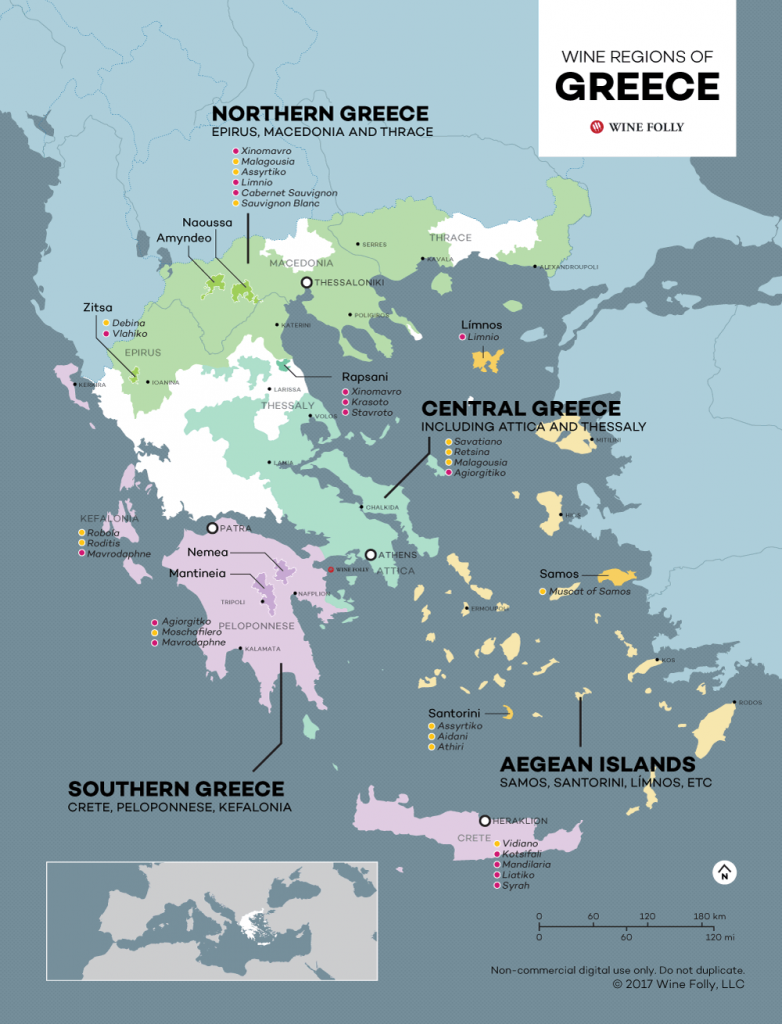
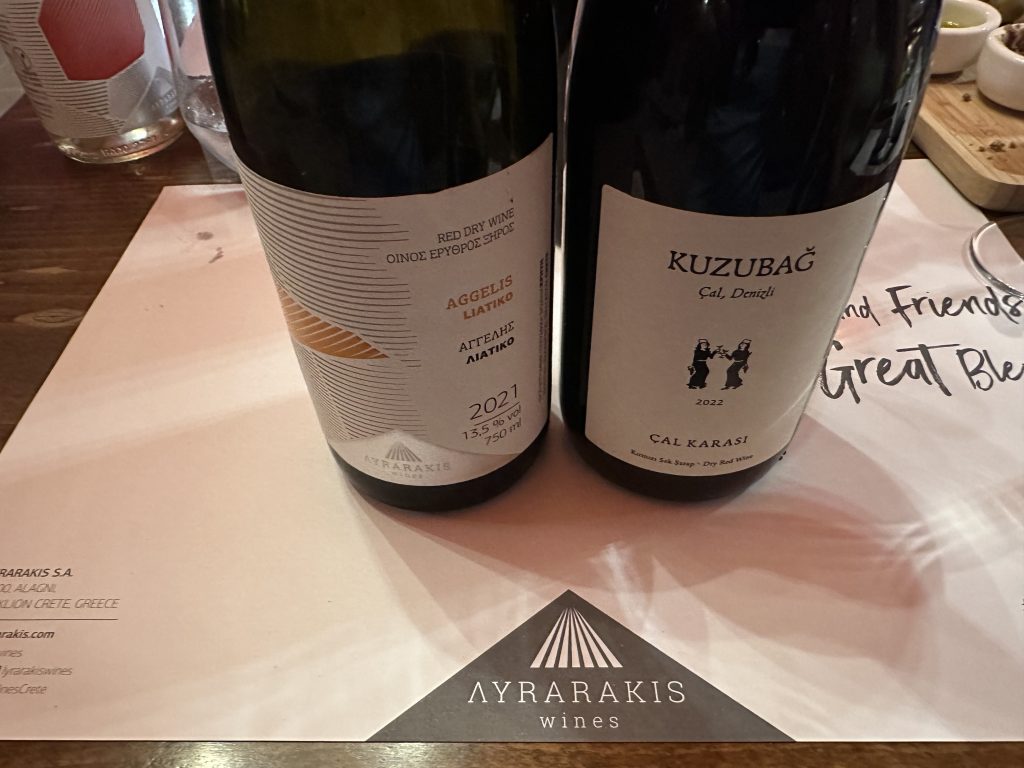
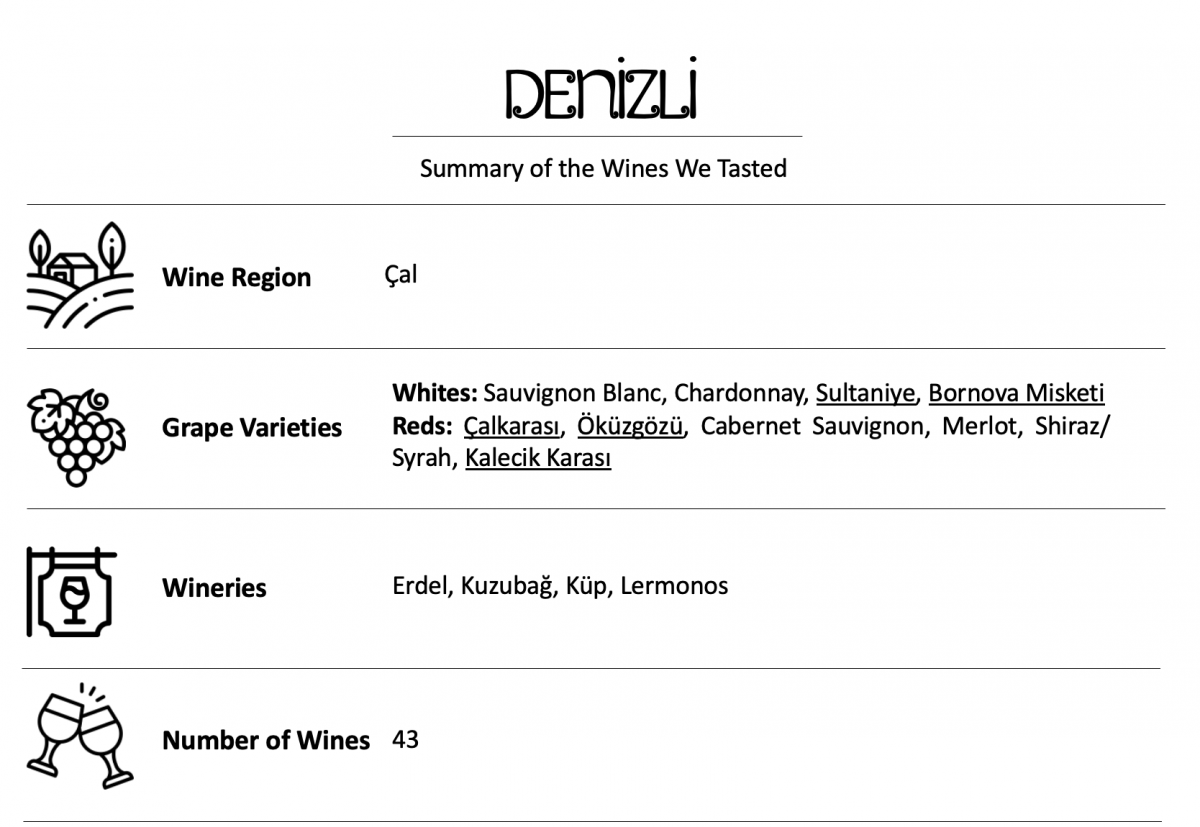
The Çal Vineyard Route (Çal Bağ Yolu) was established in 2022; yet the region’s wine history dates back to ancient times. The area accounts for 40% of Türkiye’s wine production and 20% of its grape cultivation. Vineyards dominate the region’s natural landscape. Along the route, you’ll find both recently founded wineries and third-generation family estates. Here, producers combine traditional and modern wine-making techniques. The wineries use both local and international grape varieties, but one of them is truly special. The area is home to its own indigenous grape variety, Çal Karası, which was overlooked for many years but is now regaining recognition and prestige. Çal Karası, meaning ‘the black grape from Çal,’ has been scientifically proven to be genetically identical to Liatiko from Crete, Greece, thanks to the efforts of wine producer Seyit Karagözoğlu. This discovery could create a new bond between Turkish and Greek wine producers.

Another essential point of the route is that it includes both ancient cities and natural wonders, so one day is not enough to explore them all. After several visits during different seasons, we are here to share all the experiences. Enjoy!
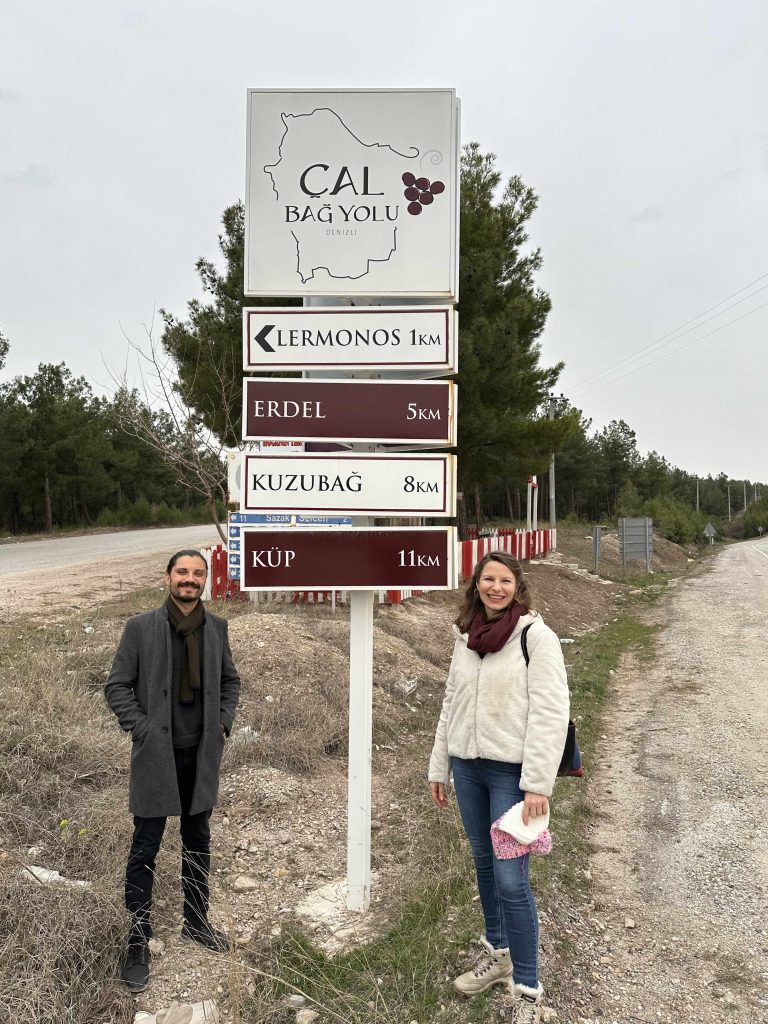
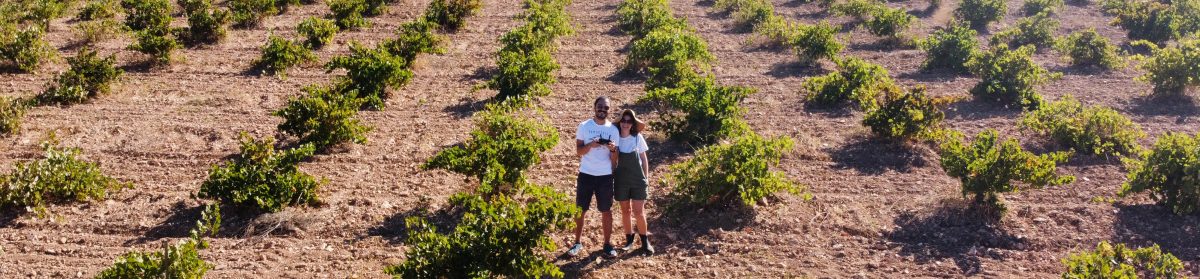
Forced perspective: Çal edition. Gülfiye as Gandalf, Özgür as Frodo 🙂

We planned our trip to include both wineries and tourist attractions (Click to add to the Google Maps).
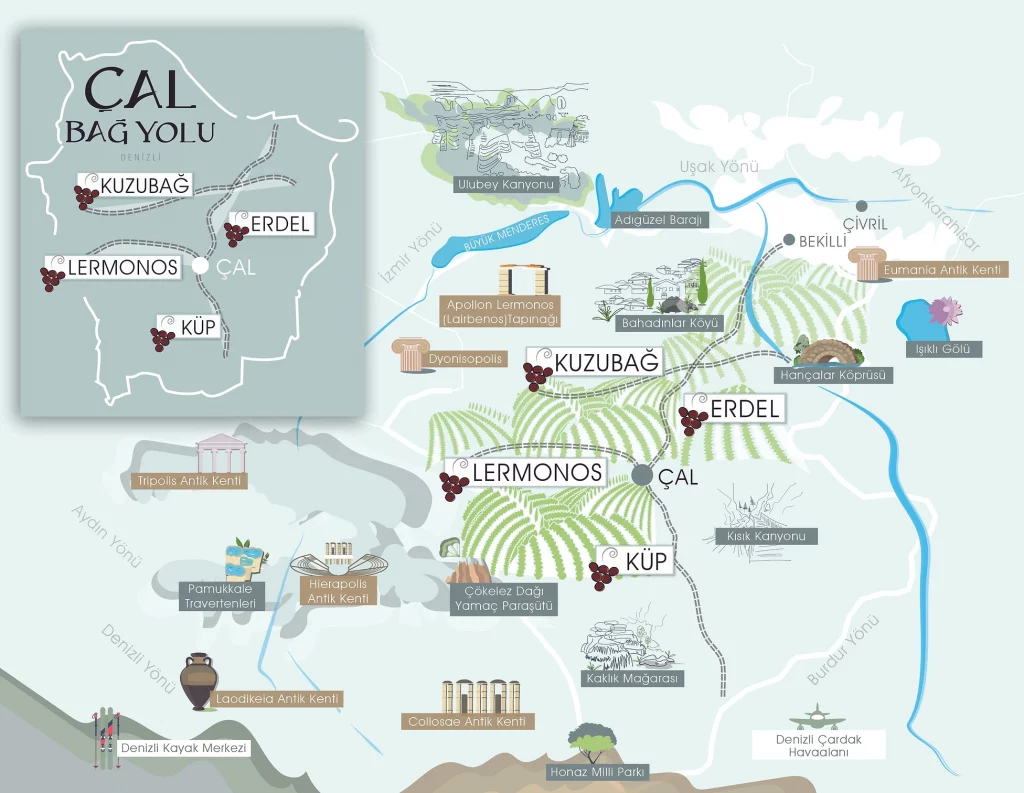
Çal Vineyard Route
Kaynak: https://www.calbagyolu.com/calbagyolu

Küp Şarapçılık

Küp is not only the largest but also the oldest producer on the route. Its production ranges from table wines to premium wines, and it also offers excellent fruit wines. Established in the 1950s, Küp is now run together by the family’s second and third generations.
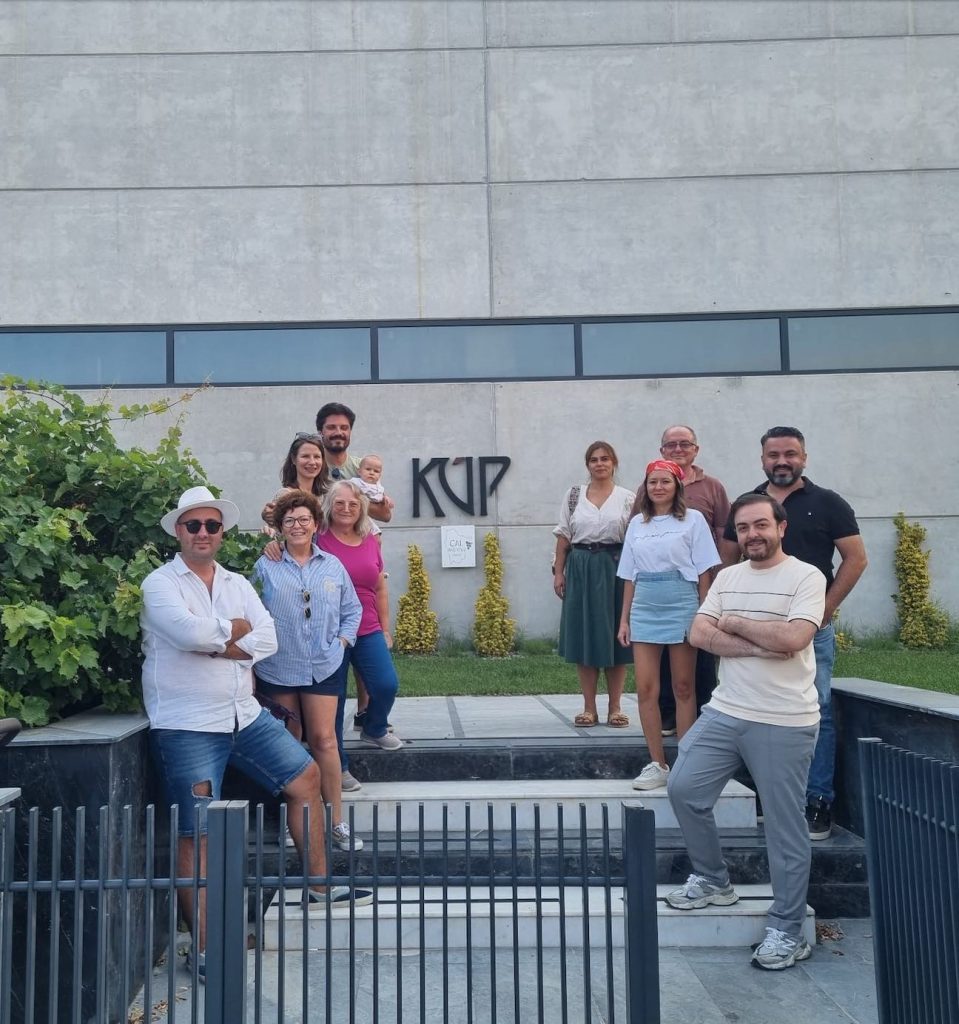
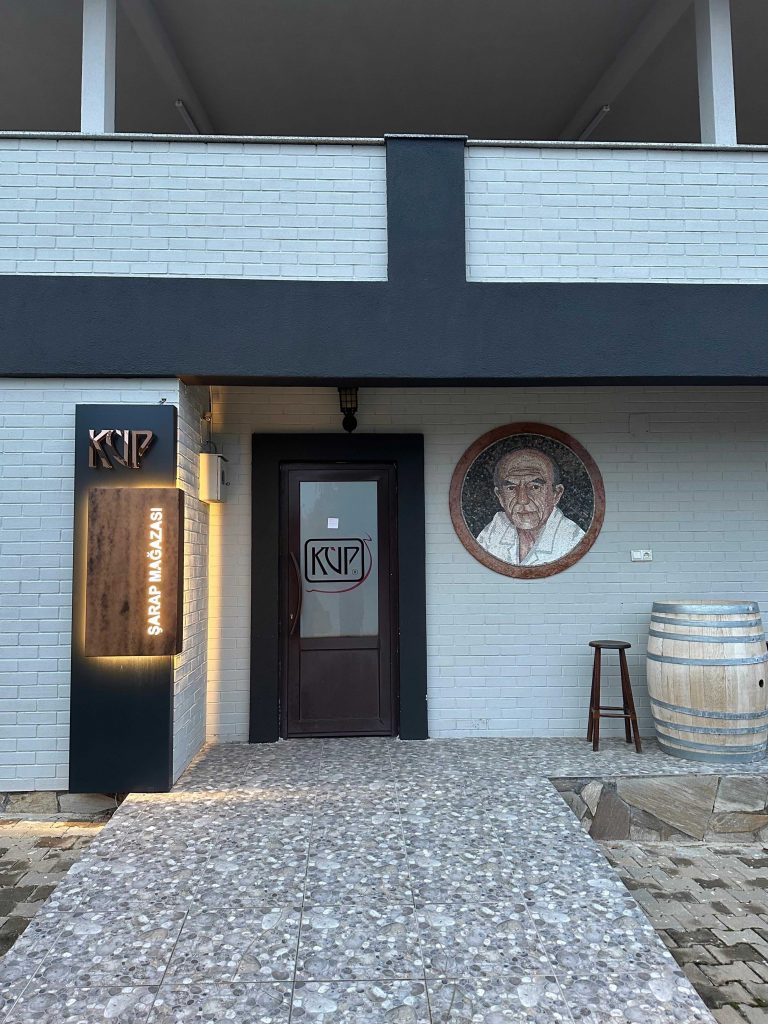
Küp has both a historic wine-producing building and a modern, technologically equipped one on the same site. It is highly recommended to tour the old vine factory before wine tasting, as the building is architecturally unique in Türkiye. Visitors can enjoy wine tastings and buy bottles directly, but our experience there was truly special. During our visit with our wine-tasting group, Tadında Dünya, we were offered a special tasting set: a vertical tasting of the Epic series, spanning vintages from 2013 to 2021. We were delighted to have this opportunity—it was an educational and exploratory experience. After all, it’s not possible at every winery to taste library wines like these. Our favorite vintages were 2013 and 2016. Both years had excellent growing seasons, and that quality is clearly reflected in the wines. Detailed tasting notes can be found under the ‘Favorite Wines’ section.

Lermonos Wines

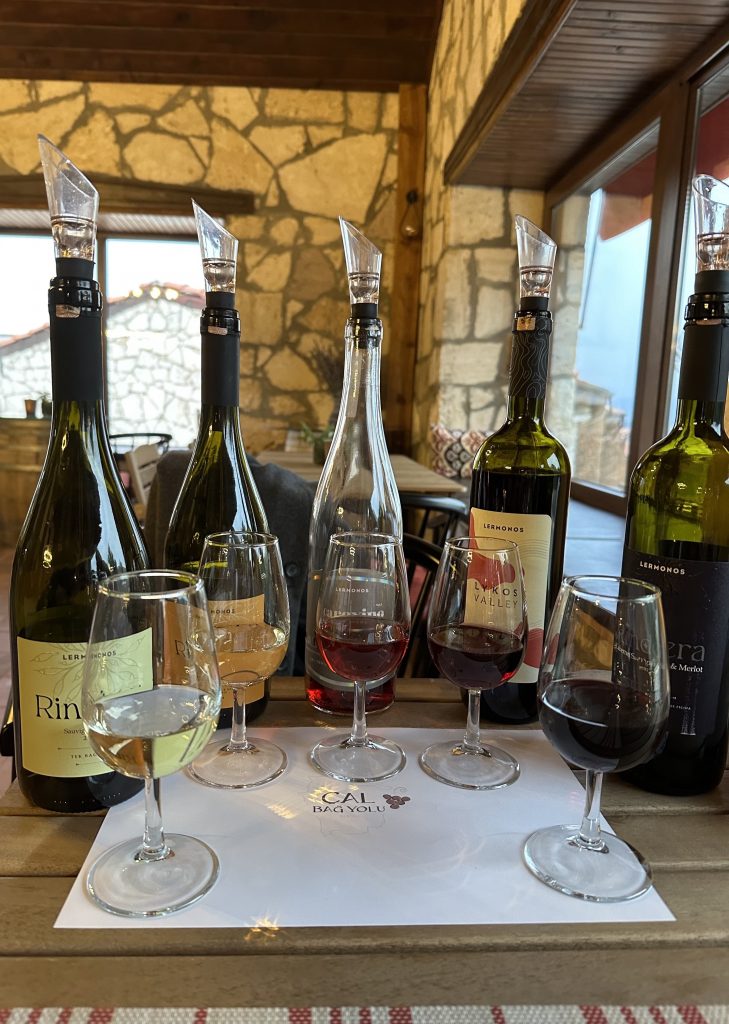
Lermonos is one of the newest producers on the route, drawing its strength from women’s leadership. It features the first restaurant on the route serving local delights and offers both a lovely open terrace overlooking the vines and a cozy indoor space. Recently, Lermonos has operated a guest house, becoming the first accommodation facility on the route.

Lermonos produces its wine from both local and international grape varieties. One of our favorites is Sauvignon Blanc, which shows a beautiful regional character; tasting notes can be found under the ‘Favorite Wines’ section.

Erdel Winery

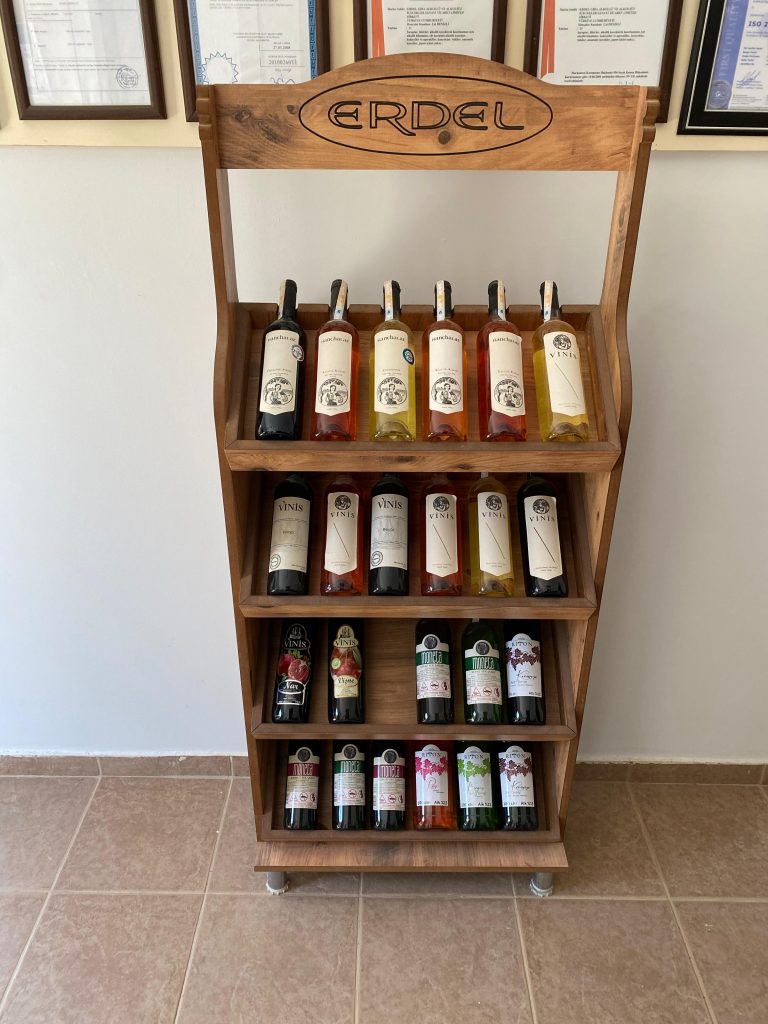
Erdel Winery is located in Hanchalar village, formerly known as Hancılar (‘innkeepers’ in English), reflecting the area’s historical roots. Established in the 2000s, the winery aims to create more employment opportunities in the village. Erdel is the second-largest producer on the route, offering a wide range of wines, from table wines to fruit wines. The winery is also in the process of opening a new fine-dining restaurant, which will be a significant addition to the route. We had the chance to be the first guests of the restaurant, enjoying its delicious dishes paired with wines.

Kuzubağ Winery

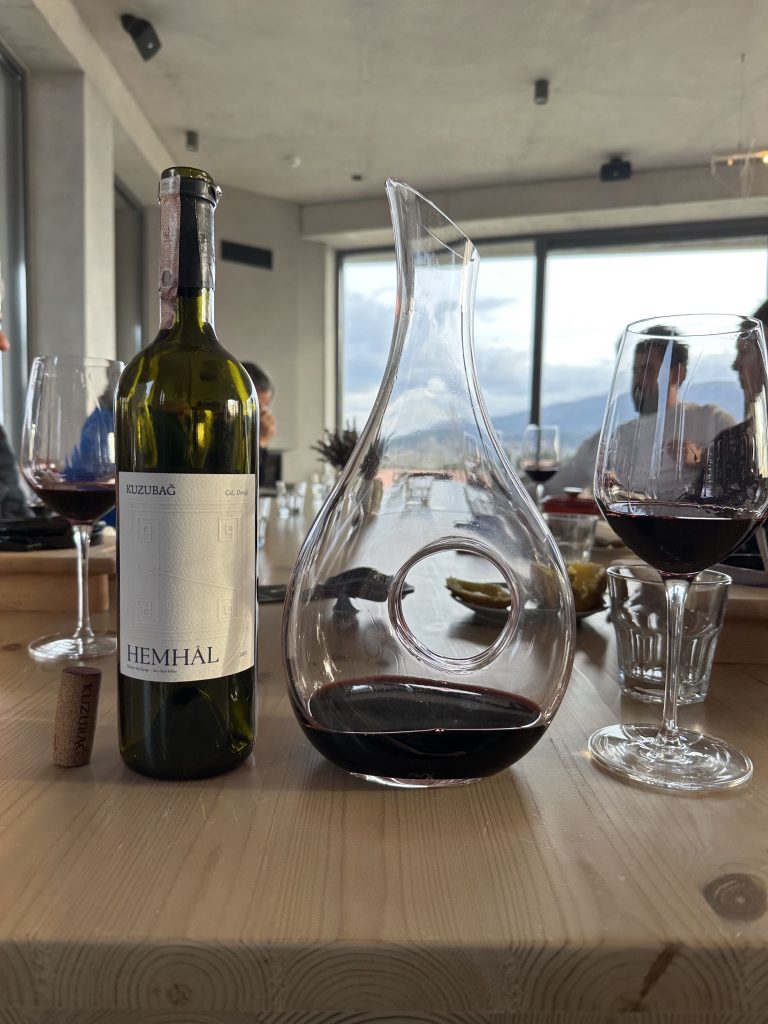
Let us introduce you to the youngest producer on the route, a family-run vineyard, Kuzubağ. Although newly established, the winery is dedicated to producing high-quality wines and experimental series using local grape varieties. In particular, it has a special focus on Çal Karası; producing blanc de noir, red and sweet version of this unique grape. During our visit, we had a chance to taste all of them.

Kuzubağ is located in the heart of its vineyard, giving the wine-tasting area a stunning view. If you’re lucky, you can enjoy a glass of wine while watching an incredible sunset. We have many favorite wines from this winery; wine tasting notes can be found under the ‘Favorite Wines’ section.

General Remarks – Notes

  • Although it is technically possible to visit all of the wineries in a single day, we recommend staying at least one night in the area. This allows more time to enjoy the tastings and also explore the region’s historical and touristic sites. While accommodation options in the immediate area are still limited, its proximity to Denizli/Pamukkale (around 40 minutes away) makes day trips feasible.
  • Dining options are available at Lermonos and Erdel, where you can combine tastings with lunch or dinner. At the other two producers, food service is limited to cheese plates and small bites. Kuzubağ provides a lunch option if you book in advance.
  • Especially during spring and summer weekends, the wineries can get quite busy. Be sure to make a reservation in advance to avoid disappointment.
  • Since it is not possible to get around the region by public transport, we strongly recommend renting a car if you are arriving by plane.
  • For any additional questions, you can contact the route via its social media channels; they are extremely helpful.

Favorite Wines

These wines are a selection of the highest-rated bottles from our vineyard road trips over the past two years, as well as from the ones we brought home. Hence, tasting dates should also be kept in mind.

  1. 2013 Küp Chardonnay Epic - Turkey, Western Anatolia, Denizli, Bekilli (31/8/2025)
    Tasted comparatively by the Tadında Dünya Team during the Vertical Tasting held at Küp Tasting Area on 31.08.2025.
    On the nose; nut cake, roasted almond, marzipan, wild mushroom. On the palate, quite salty, almond, caramel brittle, quince. Despite being 2013, still very vibrant, high acidity, razor-sharp. Expected more mature fruit, but surprisingly youthful. In blind tasting would not be identified as 2013.
    Balanced, high aromatic intensity, multi-layered, long finish. The current state is very surprising. Opened into a baby biscuit, quince dessert, and praline hazelnut. After one hour became excellent. (94 points)
  2. 2016 Küp Shiraz Epic - Turkey, Western Anatolia, Denizli, Bekilli (31/8/2025)
    Tasted comparatively by the Tadında Dünya Team during the Vertical Tasting held at Küp Tasting Area on 31.08.2025.
    On the nose; lovely fruitiness, dense black fruits, blueberry, blackberry, softened oak touch, varietal character nicely present with spices, violet. On the palate, high aromatic intensity, flavors explode in the mouth. Long finish. Still no tertiary notes, very pleasant now, still ageable.
    Balanced, high intensity, long finish, medium complexity. (92 points)
  3. 2023 Kuzubağ Merlot Hür Amfora Çal - Turkey, Western Anatolia, Denizli (24/8/2025)
    Deep red color. On the nose, dried grapes, dried sour cherry, licorice, red pepper, and blueberry, with high aromatic intensity. On the palate, the tannins are very strong yet elegant, full-bodied, medium+ finish. Notes of coffee beans, dark chocolate, and beautiful amphora-derived aromas emerge, with sour cherry being dominant.
    Very enjoyable to drink, full-bodied, and with high aging potential. (92 points)
  4. 2022 Kuzubağ Merlot Çal - Turkey, Western Anatolia, Denizli (31/8/2025)
    On the nose; tobacco, dried meat, dried plum, fig, ripe fruits, some quickly developed aromas, slight animal notes, but not unpleasant. On the palate, medium+ acidity, tannins very smooth, medium body, medium+ finish. Fruitiness is very nice, balanced, aromatic profile settled, good aging potential. (92 points)
  5. 2022 Kuzubağ Sultaniye Hür - Turkey, Western Anatolia, Denizli (19/1/2025)
    Kuzubağ has experimented with producing a semi-sweet wine from Sultaniye, the most commonly cultivated seedless grape in the region, for the first time using the on-vine drying technique within late harvesting.
    The color is pale lemon. No sediment. Medium legs. On the nose, there are notes of petrol, clove, quince (cooked), pear, and hints of lightly oaked white wine-vanilla and another sweet woody aroma, as well as pear. Both on the nose and palate, there’s hazelnut, likely from the oak. The palate is quite elegant, with a slight sweet wine tanginess. High acidity. Flows like oil. Medium body, with a medium to long finish. The intensity of flavors on the palate feels a bit low, but it has the potential to evolve significantly with aging. The palate is balanced, and the sweetness is not overwhelming. It sparks great curiosity about how it will develop with age. Great wine! (92 points)
  6. 2024 Lermonos Sauvignon Blanc Rindera - Turkey, Western Anatolia, Denizli (2/9/2025)
    On the nose; slightly herbal, asparagus, thyme, rosemary, nigella seed, light grass, little florality. On the palate, high acidity, medium+ aromatic intensity, medium finish. Slight saltiness. Compared to previous years, the yeast-dominant aromas have faded, showing more of the grape’s varietal character, a more herbal style of SB.
    Balanced, medium aromatic intensity, medium finish, no complexity. (90 points)
  7. 2016 Hanchalar Öküzgözü - Syrah - Turkey, Western Anatolia, Denizli (15/1/2025)
    Hanchalar is a sub-brand of Erdel Sarapcilik, which produces mostly table wines for the 5-star hotels. However, this sub-brand has made its own way. This wine has a really complex structure, well-aged aged and very rich on the palate. It does not have more aging potential, but perfect for drinking today.
    The wine looks garnet-brick colored. The legs are slow. There is light sediment in the bottle. It smells like black pepper, blackberry, raisin, flint, dust, forest floor, vanilla, coffee, and meaty. It tastes like black pepper, meaty, blackberry, forest floor, espresso, and black cherry. The body is medium. The wine has a satin-like texture. The wine finishes medium. The wine has high acidity. Tannins are medium and softened, but balanced. (91 points)

Bonus Ones

Since these are fruit wines, they were left out of the standard rating system. However, as we have enjoyed them for many years, we didn’t want to leave them out of our recommendations.

  1. Küp Cherry Liquer Wine: %100 cherry, has %8-9 alcohol coming from its own sugar, and %10 alcohol added externally. Made in a fortified style. High body, high alcohol. It can be consumed at best in the winter, especially on cold nights, or for a New Year's party. Also a good pair with the desserts, especially brownies and cheesecakes.
  2. Küp Pomegranate Wine: %100 pomegranate. %8 alcohol. Low body, a little sweet but also sour, coming from pomegranate. A great summer wine that pairs well with a pool party, better served cold.

Touristic Landmarks

After exploring the vineyards, you can also visit these wonderful historic sites and attractions.

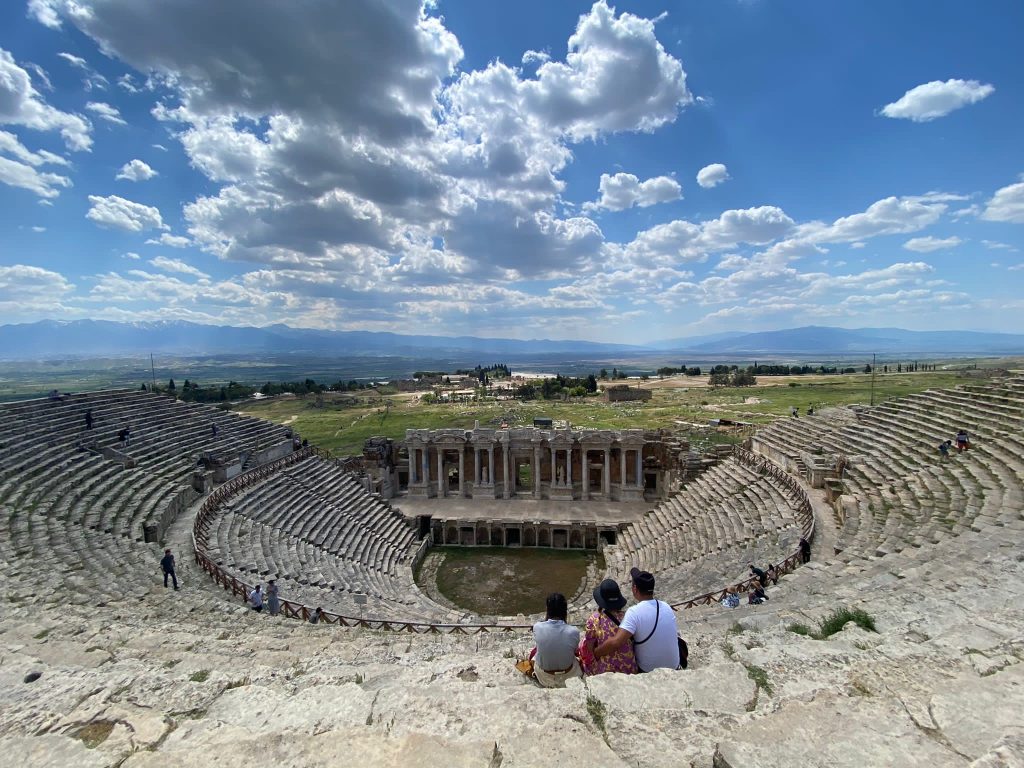
Pamukkale & Hierapolis

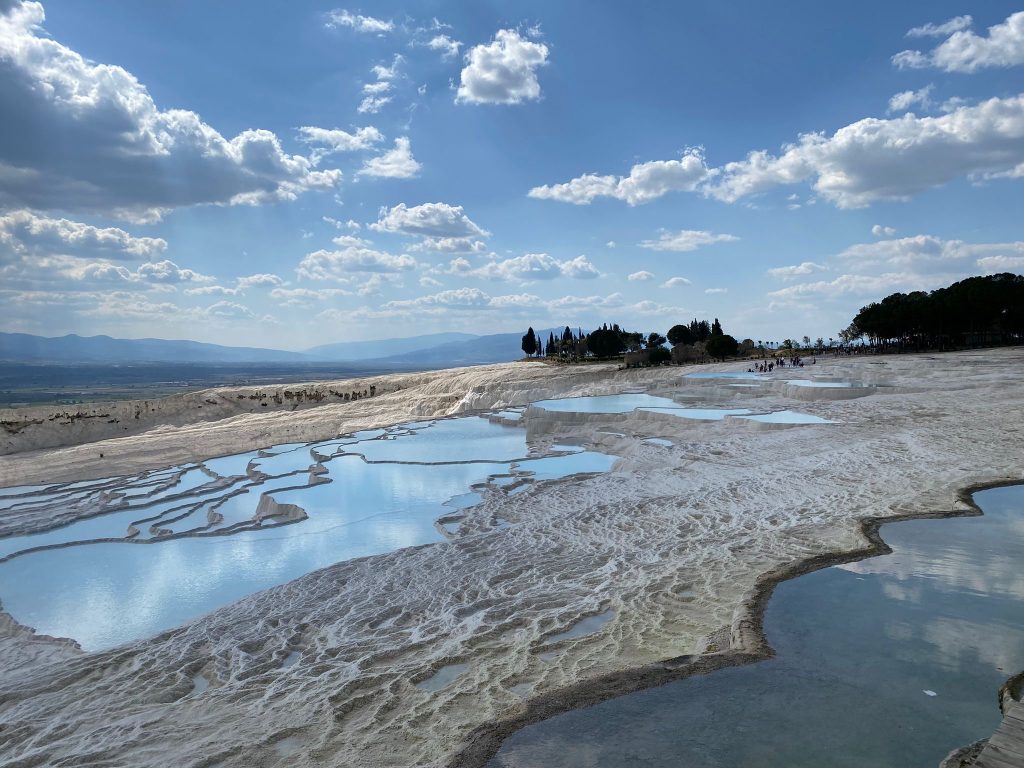
Pamukkale is often referred to by locals as the 8th wonder of the world - and many even believe it truly is. While not officially the case, it remains a unique natural beauty that could easily deserve such a title.

This UNESCO-protected region combines the natural wonders of Pamukkale with the ancient sites of Hierapolis. You should set aside at least half a day to explore it properly. There’s also the Cleopatra Pools, where you can swim in an ancient pool—legend has it that Cleopatra herself bathed here for her beauty. You can also see the amphorae that were once used for winemaking in ancient times.

It’s a must-see stop on the route. For more information, visit: https://whc.unesco.org/en/list/485/
Laodicea

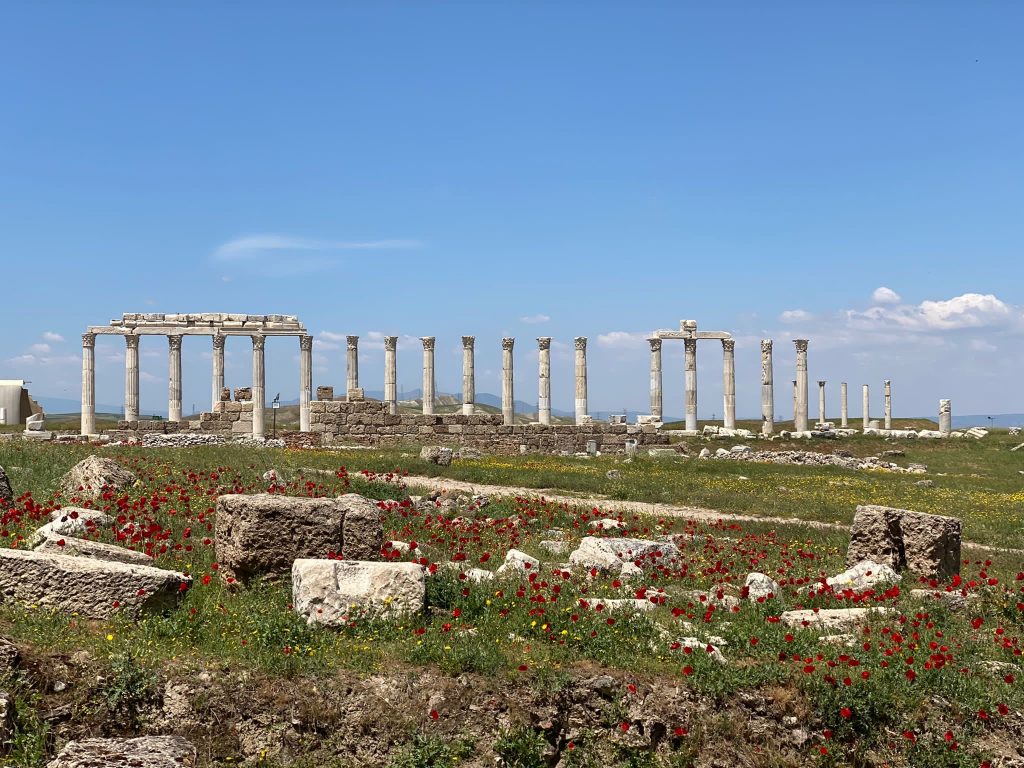
This is a very large ancient city with many sites to explore. You should set aside at least two hours for your visit. It can easily be combined with a trip to Pamukkale and Hierapolis. Wearing a hat is highly recommended, as there are no trees to provide shade. For more information, visit: https://denizli.ktb.gov.tr/EN-251394/laodikeia-ancient-city.html
Kısık Kanyonu (Kısık Canyon)

It’s a hidden spot and free to visit. There are no signs, making the canyon difficult to find. Visiting in spring is highly recommended, as the water in the canyon dries up during the region’s hot, dry summers.

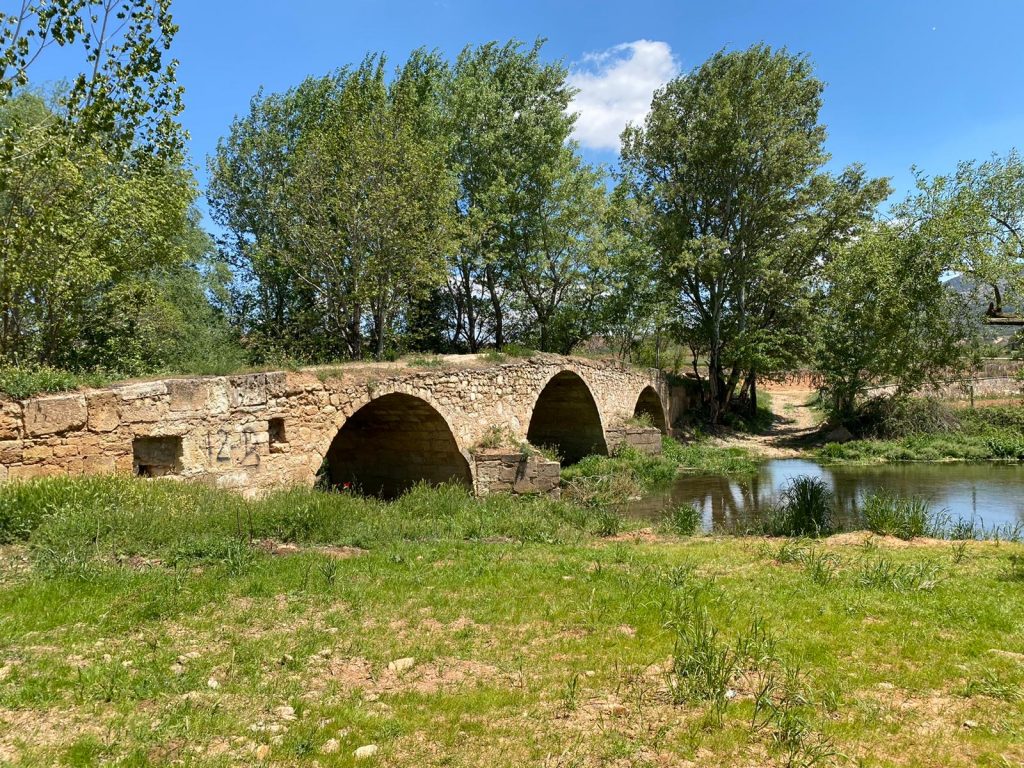
Hançalar Köprüsü

This is an ancient bridge, built over 700 years ago. There’s a small tea spot nearby—nothing fancy—but it’s still worth a visit for a brief stop to rest and recharge.
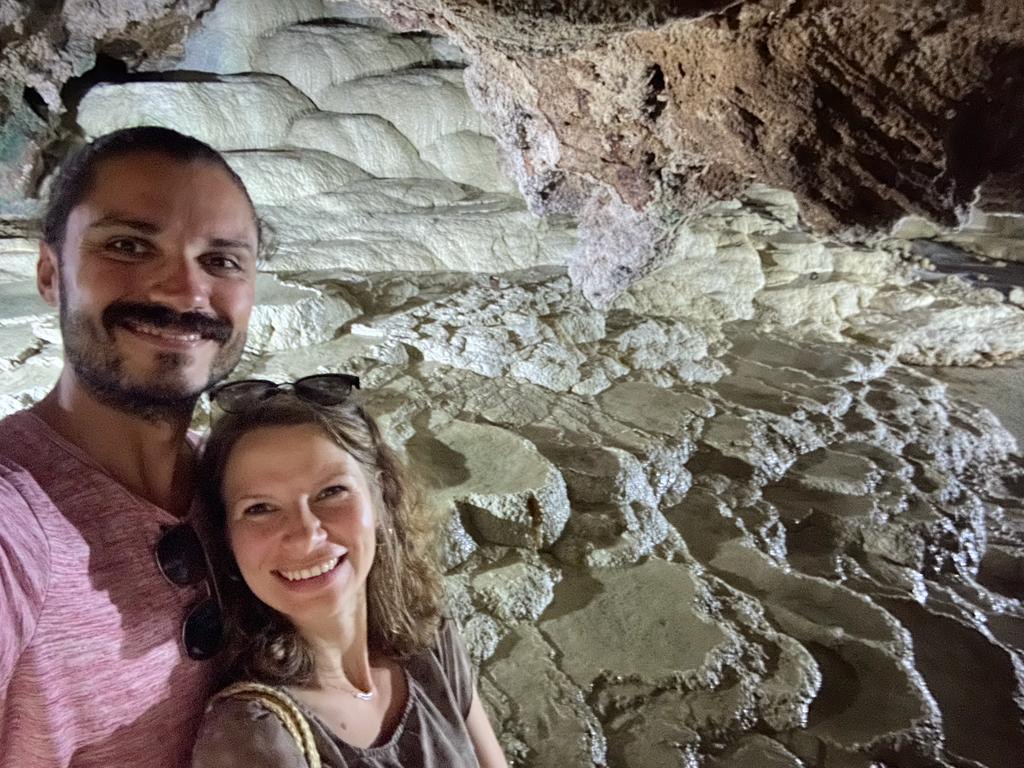
Kaklık Cave

A hidden underground miniature of Pamukkale lies just along the route to the Çal Vineyard Route. Tickets cost only €1.50 and a full tour takes about half an hour. Wearing slippers is highly recommended as the ground is very wet.
Want to Explore More?

Here are some other resources you can read before your visit:

A UNESCO-Protected Vineyard Route: Lavaux (Switzerland)

Swiss wines haven't been heard much worldwide due to being neighbors with 2 giant wine countries like France and Italy. Although their own people consume their own wines plenty, we can say that it's not really possible to see Swiss wines in other countries. We too were unaware of Swiss wines until our visit to the region. While visiting our close friend who lives in Geneva, a trip we had been planning for a long time, we found the opportunity to taste the country's wines with our visit to the UNESCO-protected Lavaux vineyard region, which is only a 2-hour distance away 🙂

In Switzerland, wine is basically produced in 3 separate regions. In the regions neighboring the Italian, French, and German borders, production similar to the viticulture styles of their neighboring countries is carried out. In general, Swiss wines stand out with their local grape varieties and small producer tradition. During our trip, we saw so many different producers of all sizes that we were quite surprised by the number of producers in a country whose name isn't very well known in this regard.

Swiss Wine Regions
Source: https://edibleswitzerland.com/calendar-of-events-to-plan-a-food-and-wine-trip-to-switzerland/
Lavaux Vineyard Route
Source: https://swissfamilyfun.com/lavaux-vineyard-hike/

The Lavaux vineyards, which entered the UNESCO World Cultural Heritage list in 2007, are located on the shores of Lake Geneva. The route passing through vineyards established on quite steep slopes left us in awe by combining the unique views of the Alps and Lake Geneva. So much so that even the uphills we climbed didn't stop us from completing the route. We started our route from the lakeside town of Cully. Our advice for those who will visit on the weekend is clear: Don't go on Sunday, many places are closed. It makes much more sense to go on Saturday. We can say we were a bit victim of our friend's planning on this one 🙂

Historic houses and streets of Cully

Our second advice would be to definitely take the elevation into account when designing the route. Our route was to walk from Cully through Riex and Epesses to the Gaillard et Fils SA wine house, and from there to the village of Chexbres. However, this route was quite tiring; we climbed approximately 180 meters. If you're planning this route, it would make much more sense to do it in the reverse direction. Still, the views were so beautiful that they made us forget our fatigue.

Our route, which makes more sense to do in reverse

Our notes on the wineries and other touristic spots we had the chance to visit (Click to add to Google Maps):

The vineyard terraces truly offer magnificent views

Les 11 Terres

This charming wine bar located in Riex was one of the best venues we visited in Lavaux in terms of price/performance. This bar, which had 3, 5, and 6-wine tasting options on its tasting menu, offered a total of 6 to 7 different wine alternatives. We paid 12 CHF per person (1 CHF = 1.07 EUR) and did a tasting of 3 wines at 5 cl each, with each glass being generously filled during service. The accompaniments that came with the wines were also quite carefully prepared. The smoked fish and cheeses served with the white wine were both local and very successful as pairings.

This quite charming venue, with its attentive staff and local grape options, allowed us to make a wonderful start to our route.

Les 11 Terres, a small boutique wine bar, is quite beautifully designed

Gaillard et Fils SA

This winery near Epesses enchanted us with its view. For the tasting, they serve 3 different wines at 10 cl each; the price is 19 CHF. Snacks are available as extras, there is no pairing menu. The dried meat platter we ordered was large and filling.

We had a bit of difficulty communicating in English with the people serving at the venue 🙂 However, both the different local grape varieties and the beautiful view made all the misunderstandings forgotten. An ideal stop for getting an idea about classic Chasselas examples and local red grapes.

Sipping wines made from local grapes with the venue's lake view was quite enjoyable

Le Deck

This was the gastronomic peak of our journey. This restaurant, with a chef's restaurant concept, located right in the middle of vineyards in the village of Chexbres, offers a very enjoyable experience with its menu and views. They have a tasting menu with wines paired with local dishes. Although prices are a bit high compared to the regional average, it's definitely a worthy spot for its views and food quality.

Additionally, the fact that sparkling wines made from local grapes, which we couldn't find at other venues, are on their menu is a bonus. We especially recommend completing your day by having a glass at sunset.

The excellent caviar platter and sparkling wine from local grapes on the menu
The view encompassing the Alps, terraced vineyards, and the lake

General Comments and Notes

  • The Lavaux vineyard route offers wonderful views but it's a physically somewhat challenging route. The route planning needs to be done well, especially if you'll be walking with a stroller 🙂
  • If possible, we recommend visiting on a weekday or Saturday.
  • The most produced white grape is called Chasselas. It offers a palate with quite high minerality, slight effervescence, a citrus and yellow fruit profile, and buttery notes. It's suitable for oak aging and has aging potential as well; due to high production volumes, it's also used in wines intended for quick consumption. A different local white grape called Charmont is also quite similar to Chasselas.
  • Galotta and Gamaret are among the most commonly produced red grapes in the region. Both have intense dark fruit aromas, intense on the nose but quite soft and easy-drinking on the palate. Their tannins are quite balanced even in new vintages, and we think they are grape varieties without too much aging potential.

Favorite Wines

Our favorite wines we tried were:

  1. 2022 Antoine Bovard Chasselas Grand Cru Dezaley - Switzerland, Vaud, Lavaux, Dézaley (4/20/2025)
    On the nose; medium intensity of flavors, gas, minerality and the feeling coming from cold Alpine winds.
    On the palate, acidity is medium+, and intensity is higher compared to the nose; the prominent aromas are: Lemon, grapefruit, pear, gas, and minerality. The body is medium+, and the finish is long.
    A wine that reflects its terroir. A more full-bodied and complex wine. As you drink, more layered aromas start to show. The finish is slightly sweet, like fruit sugar. Peach and ripe nectarine notes on the finish. (91 points)
  2. 2022 Gaillard & Fils Galotta - Switzerland, Vaud, Lavaux, Epesses (4/20/2025)
    On the nose, leaning towards black fruits – dried plum, dried fig, slightly spicy structure. It has medium+ intensity- feels slightly intense.
    On the palate, tannins are intense but quite smooth, much easier to drink than it felt on the nose, finish is medium+, body is medium. Flavor intensity on the palate is high. Despite the dominant black fruits, it's a very easy-drinking red. Licorice and clove aromas also show up on the palate. They paired it nicely with smoked meat.
    Balanced, medium intensity, and body, not a meaningful complexity. (89 points)
  3. 2019 Gaillard & Fils Gamaret - Switzerland, Vaud, Lavaux, Epesses (4/20/2025)
    On the nose, high intensity of flavors including a mix of red and black fruits – dried plum, clove, blackberry, slightly spicy.
    On the palate, again very easy to drink compared to other local grape varieties. Strawberry jam, sweet spices, and cinnamon are further aromas in addition to the nose. The wine's intensity is medium+, and the finish is medium. It is another very easy-drinking red wine.
    Balanced, medium+ intensity, slightly complex, finish is medium+. (89 points)
  4. 2023 Alexandre Chappuis & Fils Mousseux Brut - Switzerland, Vaud, Lavaux (4/20/2025)
    Bubbles are consistent and balanced. On the nose, medium intensity of flavors including yellow fruits, predominantly apple.
    On the palate, the aroma profile is quite different – sesame, umami, finish is slightly sweet, full-bodied, finish is medium.
    The aroma profile is distinct from standard sparklings, but we liked the taste. More weighted towards pear and apple – stone fruits – but intensity is quite high. Finish is a little sweet, yet it adds a lovely extra layer. (89 points)

Dubrovnik Wine Bars & Croatian Wines

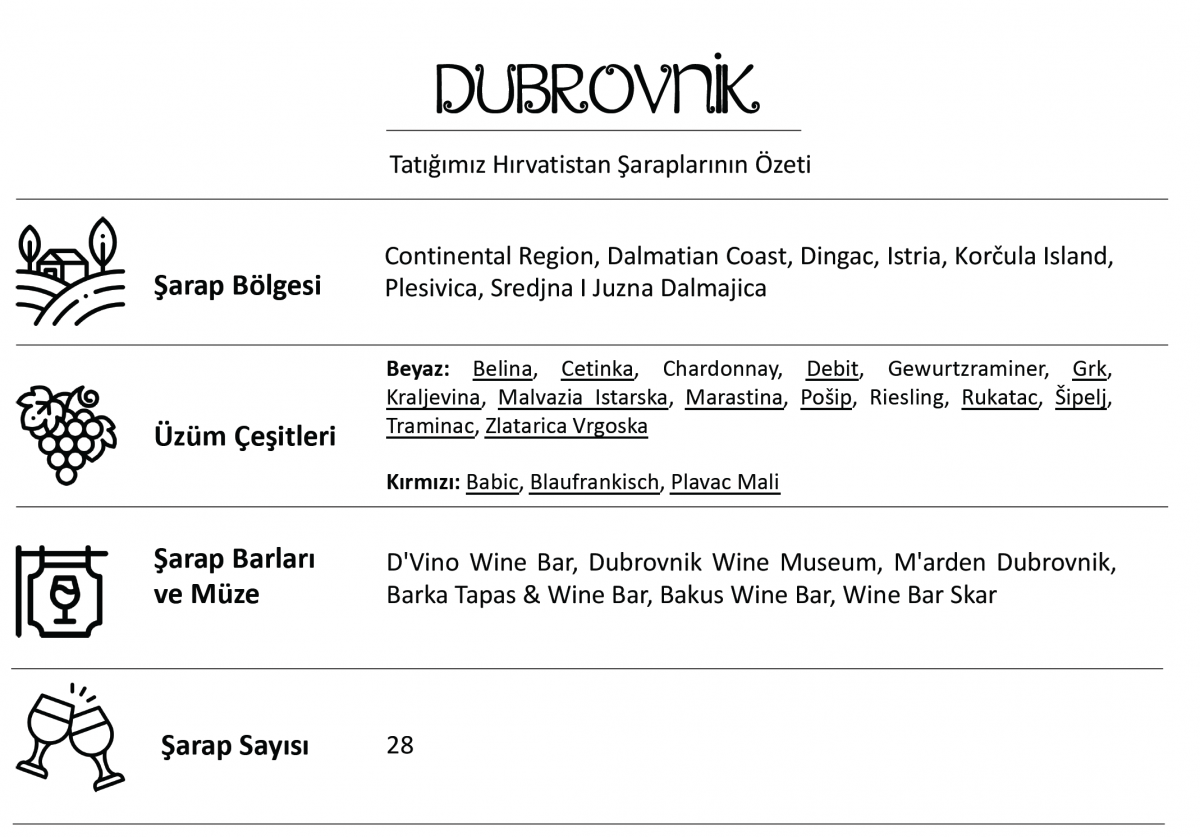
Before saying hello to our little girl, we chose Dubrovnik for what would be our last trip alone for a while. When choosing our destination, we never imagined that we would taste this much wine in Croatia and buy nearly a suitcase full of wine on our way home 🙂 We had so little knowledge about Croatian wines that it didn't even occur to us to look into it until the last days.

After the unexpected diversity and beauty of the wines we tried while relaxing at a wine bar very close to our hotel in the city center, our 4-day trip essentially turned into a wine journey. We really liked how Croatians take such pride in their own indigenous grape varieties, and we added a new wine terroir to our knowledge base.

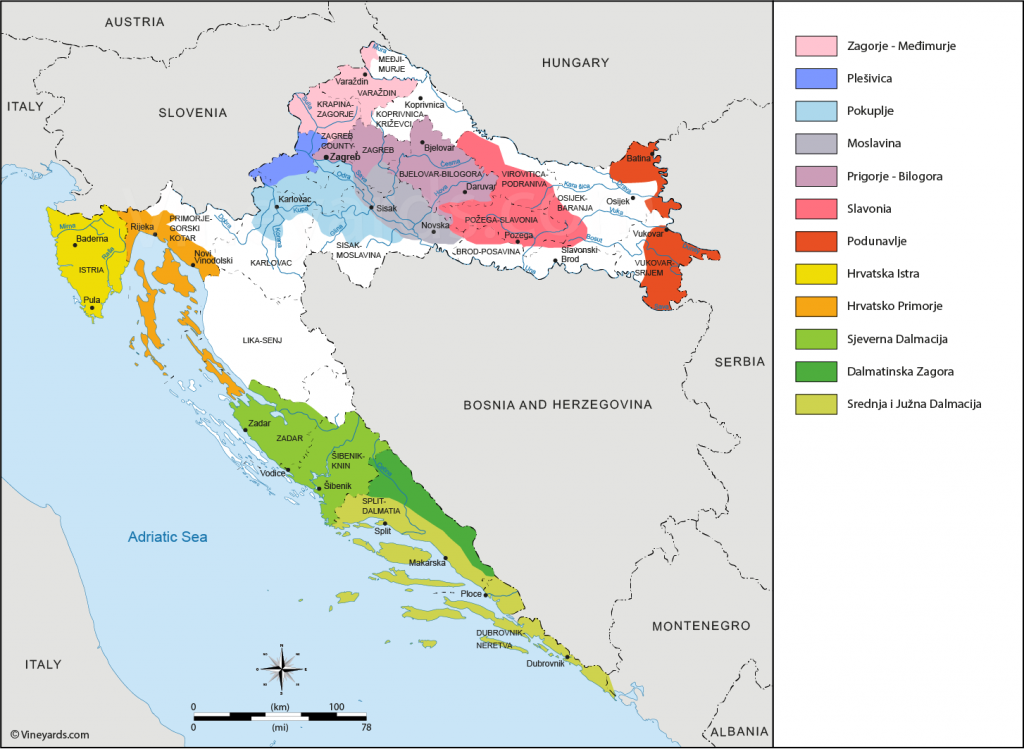
Croatia Wine Regions
Source: https://vineyards.com/wine-map/croatia

Dubrovnik is a very suitable destination for those who want to try an alternative wine route, with its wine bar variety, wine museum, and proximity to regions where wineries are located (1 to 2 hours). It's possible to satisfy your wine cravings while doing a historic tour in this city, which is one of the best preserved ancient areas in Europe.

Our notes on the bars we had the chance to visit and the cafés/restaurants we really enjoyed (Click to add to Google Maps):

D'Vino Wine Bar

This wine bar, which we stopped by to relax on the first night, right next to our hotel, was the place that changed all our perspectives on Croatian wines. At this venue where quite high-quality wines are served by the glass, it's possible to taste 36 different Croatian wines by the glass! In addition to these, they also offer wine by-the-glass options that change regularly every week. If you're as lucky as us, you can taste an aged Croatian wine by the glass. Tasting a 2008 vintage wine by the glass was quite enjoyable.

In addition to by-the-glass wine service, the venue also has wine tasting menus available until 9 PM. This venue, which offers a diverse wine tasting menu with 7 different lineups, is at the top of our list if we ever revisit Dubrovnik.

Dubrovnik Wine Museum

We approached the wine museum in Dubrovnik, an extremely touristic city, with prejudice. This museum, which we thought might have been opened with touristic concerns, proved us quite wrong. The museum offers quite detailed information about Croatian wine history, grape varieties, and wine regions. At the same time, after completing the museum tour, it also provides the opportunity to do tastings with 7 different tasting menus ranging from 10 to 100 EUR. This way, theoretical knowledge is reinforced with practical knowledge 🙂 Another feature of the museum is the ability to taste examples of wine aged underwater, which has recently become famous in countries like Croatia and Montenegro. Having access to tastings that include an underwater amphora example whose regular retail price is 340 EUR is an excellent service. At the wine sales section at the museum's exit, it's also possible to purchase wines from some producers even cheaper than from the producers themselves.

M'arden Dubrovnik

After spending 3 days in a city almost entirely made of stone, just being able to sit in a place designed amidst greenery is a wonderful feeling 🙂 The quality of M'arden wine bar stands out with both its venue and its alternative wine menu. At this bar, which has quite different grape varieties and wine types from other wine bars, it makes great sense to come to increase your familiarity with Croatian wines. We were particularly impressed by the fact that they include limited production wines from boutique producers on their menu.

We left this venue, where we opted for the orange wine tasting, quite happily.

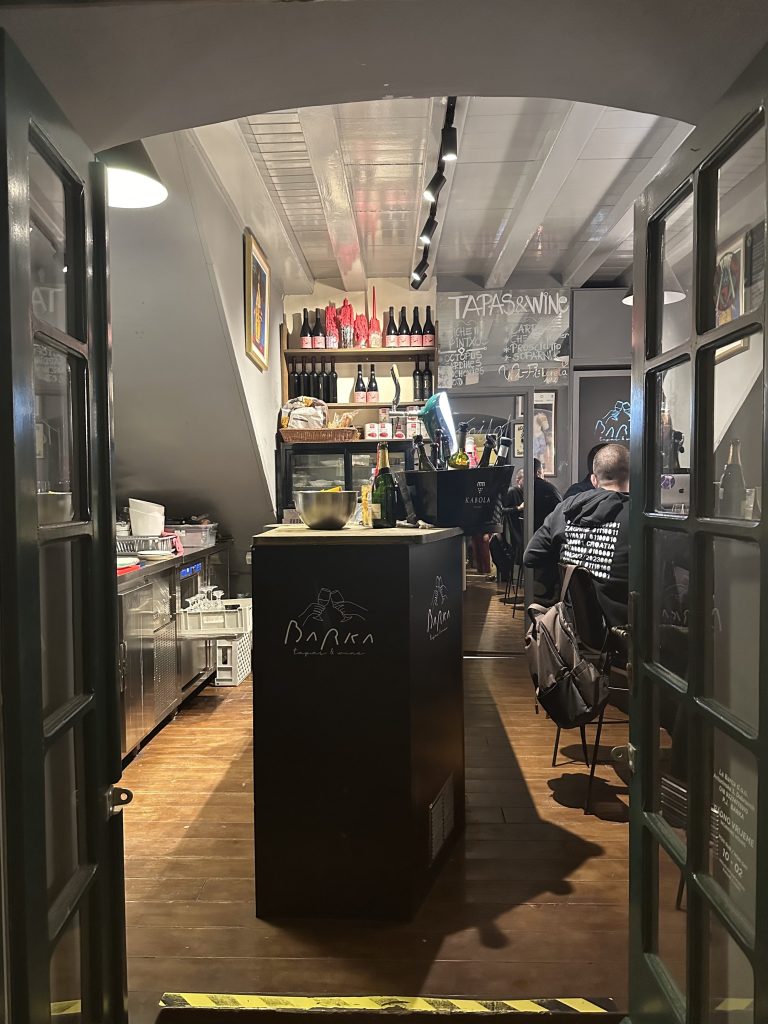
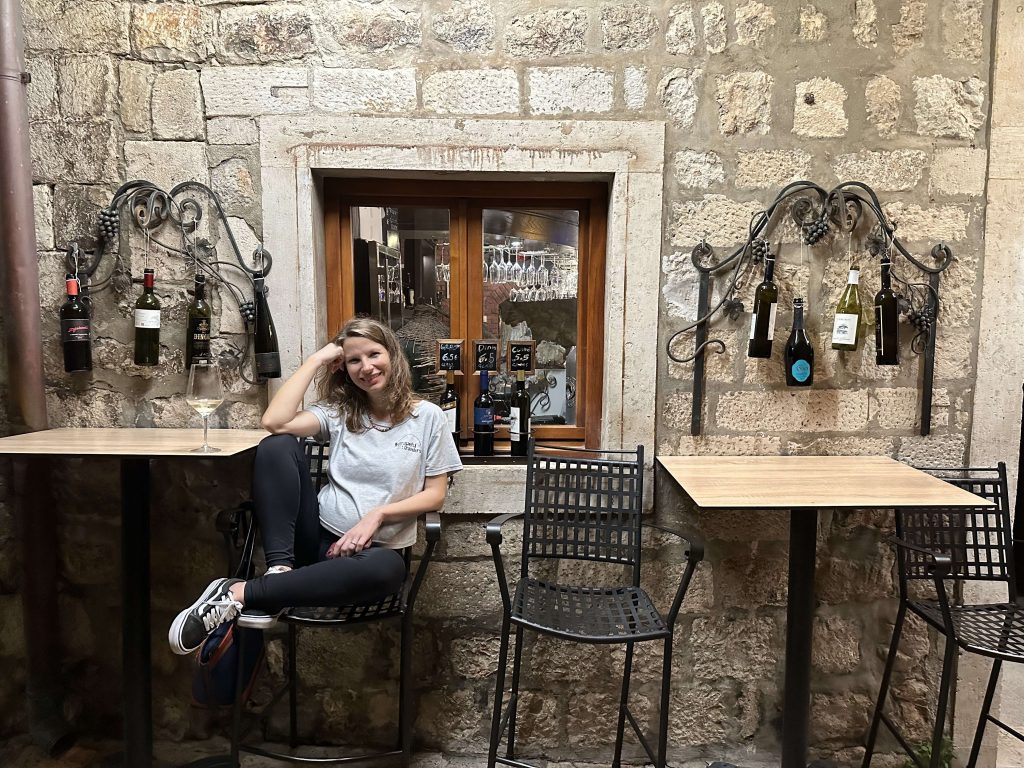
Barka Tapas & Wine Bar

Although its menu is more limited compared to other wine bars, it's a venue that can be preferred especially for its food. The owner is also quite pleasant to chat with 🙂 It's possible to have detailed conversations about wines. Options offered by the glass: A total of 6 whites, 2 reds, 1 rosé, and 1 sparkling wine.

Bakus Wine Bar

It was the most touristic wine bar we visited. Definitely very beautifully designed, worth stopping by for a glass of wine just for the design alone.

The first wine we tried by the glass was faulty. Although the sommelier tried to make us drink it saying "this wine is like this," fortunately the owner was there so our money didn't go to waste 🙂

There are no tasting menus, and by-the-glass options are a bit limited. But it's worth stopping by for a glass of wine just for the ambiance.

Wine Bar Skar

A wine bar of a producer that does boutique production at their winery, located 15 minutes from the city. Therefore, only their own wines are on the menu. It was a wine bar that made us happy because we had the opportunity to taste all the wines they produce at their winery and chat about their production processes. If you go without having very high expectations about their wines, it will be a place you'll leave happy 🙂

In addition to the 3 wines on the tasting menu, the fact that they also offered 2 liqueurs, again their own production, as a complimentary treat was also quite thoughtful.

General Comments and Notes

Our general observations and different information about Croatian wines:

  • They express that the biggest reason the country's winemaking hasn't been heard much on the international arena is the Croatian names of the local grapes. While this seems a bit silly at first, the pronunciation of some grapes is really so difficult that you may not get used to them even after having them several times.
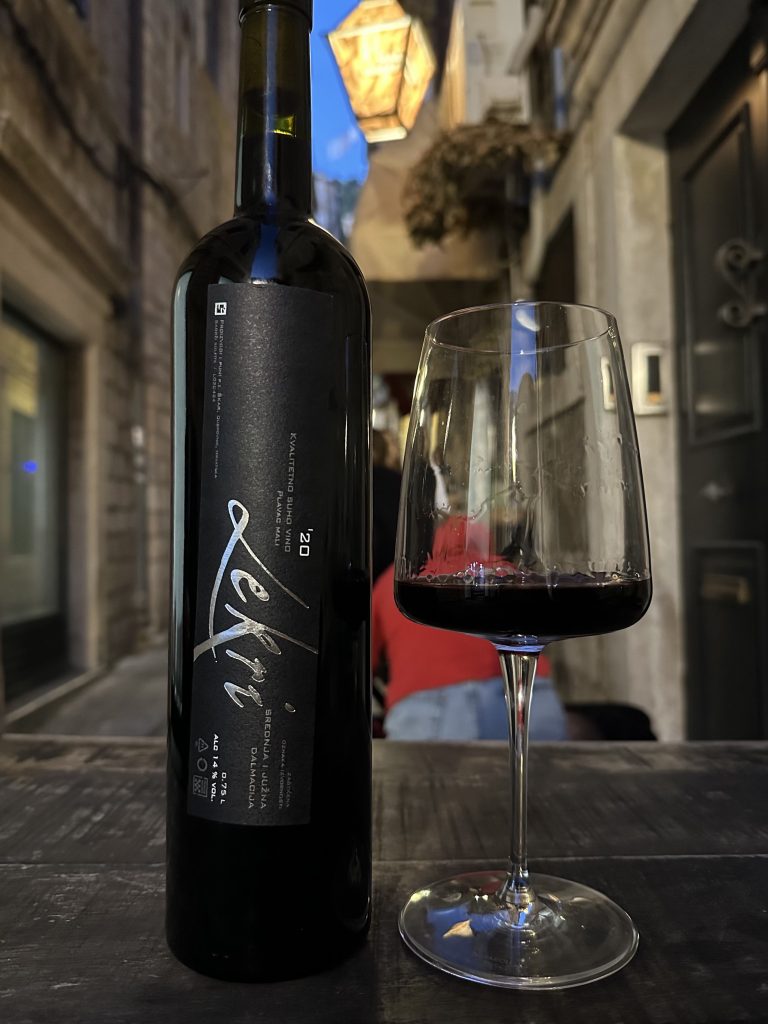
  • The most famous red wine grape in the country: Plavac Mali. It was formed as a result of crossing Crljenak Kaštelanski, the ancestor of Zinfandel, with Dobričić. The most produced and processed grape in the country, quite suitable for aging, and very delicious wines are made from it. It also became our favorite grape on this trip. Although its name appears as Dingač and Postup in regions with different appellations, when you see these names on the label, you can know that you're getting Plavac Mali.
  • Well-made Dingač wines are truly superb. The most notable characteristic of an aged Dingač is its tobacco aroma. Its tannins maintain their structure despite 10 to 15 years of aging.
  • After Plavac Mali, the 3 most famous white grape varieties in the country are Grk, Pošip, and Malvasia. While generally softer, more easy-drinking wines are made from Pošip, full-bodied whites are produced from Grk. Malvasia is a grape that will please aromatic wine lovers.
  • White grape options are quite abundant, while it's not very possible to find a variety other than Plavac Mali among reds.
  • Generally, restaurants have a very diverse selection of white and red wines. This alone is actually one of the details showing that the country is a wine country. We even saw Turkish wine examples on the menu of a quite elegant restaurant, which was one of the moments that made us happiest on this trip.

Favorite Wines

Our top 5 favorite wines were:

  1. Matusko, Dingač Royal Selection Barrique, Plavac Mali, 2013, Red, Croatia, Dingač: Caramel, biscuit, baby biscuit, nougat ice cream on the nose. Matured dark fruits and intense sour cherry. On the palate, all the aromas maintain their nose intensity. Smooth drinking and the aromas that come with aging enrich the palate. It particularly gives a sensation like eating baby biscuits. An aroma intensity that makes your mouth water just by smelling it. Superb. 8/10
  2. Radovanović, Heritage, Grk, Pošip, 2019, White, Croatia, Dalmatian Coast: Color is golden yellow, linden, honey, linden honey, ripe yellow fruits on the nose. Impressive aroma intensity. Slight saltiness on the palate, very well matured. Full-bodied, long finish. Oak aromas make themselves felt from deep as smoky and smoked flavors. A balanced blend. 7.75/10
  3. Edivo Navis, Mysterium From the Sea, Plavac Mali, 2016, Red, Croatia, Dingač: Croatia's famous underwater-aged wine. Its color is darker compared to the non-underwater-aged version. Darker fruits on the nose. Oak is felt with clove but not dominant. Smooth drinking on the palate, much lighter and aromas more prominent compared to the non-underwater-aged version. The effect of the sea is truly felt. Spiciness is intense, tannins are denser but less angular. 7.5/10
  4. Iločki Podrumi Principovac Traminac Izborna Berba Traminac (Gewürztraminer), 2022, White-Sweet, Croatia, Continental Region: Honey, quince, lovely ripe and sweet yellow fruits on the nose. Very slight sweetness on the palate but it feels like it comes from the aromas. Nice aroma intensity and long finish. A slightly vinegary sharp aroma coming from deep, typical of sweet wines, is present but definitely doesn't bother. Quite enjoyable to drink. 7.45/10
  5. Vinoteka Gracin-Kiridžija Kontra Babić, Plavac Mali, 2012, Red, Croatia, Dalmatian Coast: A slight paste-like aroma on the nose from aging. Tobacco, dried fruits on the palate. The tobacco on the palate is so intense it creates a sensation almost like chewing tobacco. Very high acidity, high but soft tannins, long finish. Quite nice intensity. 7.45/10

Bonus: Barba & Gianni

Although we generally don't write many non-wine recommendations, we couldn't pass without writing about these two special places. These two restaurants/cafés, which we visited two days in a row, are must-visit places in Dubrovnik.

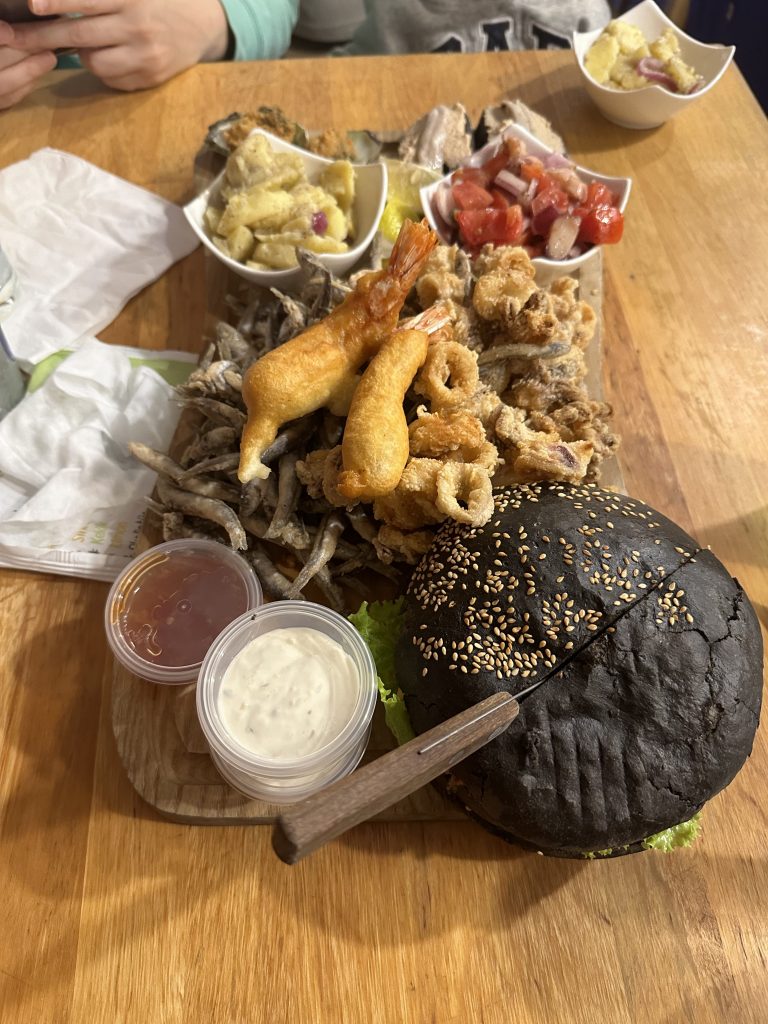
Barba is an absolute paradise for seafood lovers. The restaurant, which mainly makes fried/fast food concept dishes, has excellent seafood burgers and fried calamari. It's worth not passing on the mixed seafood platter.

Gianni is a superb pastry/ice cream shop. What we ate was so good that we devoured them without even taking a photo 🙂 We especially loved the chocolate dessert called Black Forest. You can pamper your hungry bodies after wine tasting at these places 🙂

London Wine Bars (England)

During our 1-week London trip planned for our WSET3 education, we of course didn't waste our evenings. In order to both prepare our palates for the exam ( 🙂 ) and make new discoveries, we tried to explore London's wine bars as much as possible. Although the intensive studying required by our course made these explorations difficult, we managed to stop by at least 4 wine bars and experienced firsthand why London holds an important place for wine lovers with the options it offers and the importance they give to wine.

The point that surprised us the most in our initial research was the abundance of wine bars in London. As an example, the density of wine bars found just around the WSET school:

Wine bars within approximately a 30-minute walking radius
Source: Google Maps

London, with both its number of wine bars and the variety of wines from all over the world, is truly like paradise for a wine lover. After experiencing the lack of wine bars in Paris, we were absolutely amazed here. Since the British love to drink, the number of bars is incredibly high, and among them, the number of those focusing solely on wine is not insignificant. We took notes for planning a vacation focused solely on exploring these wine bars on our future trips.

Our notes on the wine bars we had the chance to visit and the ones we definitely plan to stop by on our next visit (Click to add to Google Maps):

Bedales of Borough Market

On Monday, when most of the wine bars we had previously researched and selected turned out to be closed, we redirected our route to Bedales of Borough Market, one of the rare places that was open. The venue was a quite local wine bar mostly frequented by the English.

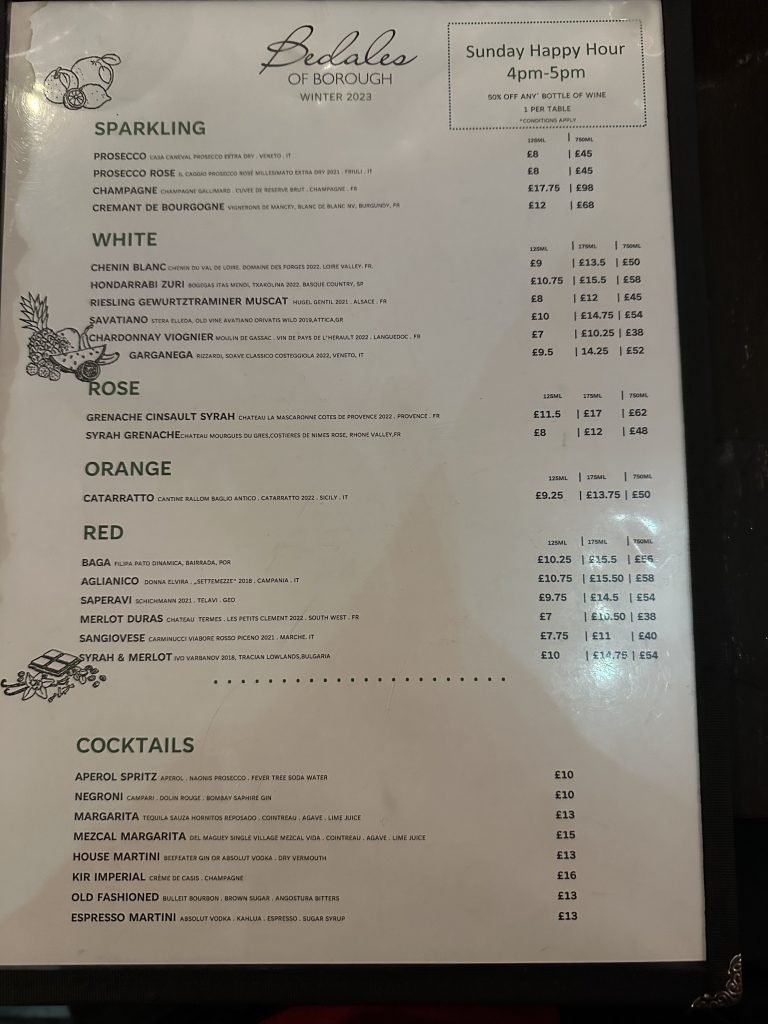
At this wine bar, which has a total of 20 by-the-glass wine options on their menu, it's possible to find wines from different countries like Italy, France, Spain, and Portugal, as well as less accessible wines from places like Georgia and Bulgaria.

The venue's diverse wine menu, it's pleasing that all products are available by the glass

We were extra pleased that it was one of the rare places we've seen that serves Prosecco, Champagne, and Crémant de Bourgogne options by the glass simultaneously. We found the opportunity to order Champagne and Crémant de Bourgogne and compare them with each other.

We really liked the venue's fast service and appetizers. At this place where they bring octopus and sausage together as a skewer and make their arancini with saffron, all the flavors were original and quite delicious. Especially if you want to visit a wine bar on a Monday, this could be the right choice.

Exterior view of the venue

Vagabond (Monument Branch)

At this venue, by far the best wine bar we visited during our trip, the drink service is entirely self-service. At this place where nearly 300 different types of wine can be self-served from wine dispensers, you can fill your glasses in 25ml, 125ml, and 175ml options. The venue, which houses many wines from different segments ranging from the most affordable to the most expensive, is a complete educational venue where wine lovers can find the opportunity to develop their palates. We especially loved that they serve premium wines like Hermitage and Châteauneuf-du-Pape by the glass. We strongly recommend visiting if your travels bring you to London.

Inside Vagabond

The Monument branch is one of the branches with the most options at Vagabond, where you can find similar venues with the same franchise concept at different locations.

Vagabond (Charlotte Street Branch)

After being more than satisfied with Vagabond Monument, we stopped by this venue for a glass of wine while wandering around Soho, and it made us miss Vagabond Monument quite a lot. The negatives for us were that it was smaller as a venue and had a bit of a ventilation problem. Still, this venue with approximately 100 wine varieties will certainly be more enjoyable during spring and summer months. While this place could be a difficult choice especially for winter days due to the ventilation issue, if you're very far from the Monument or another branch, it's still worth going to experience the concept.

Baccalà Seafood & Wine Restaurant

Although its main business concept is a restaurant, Baccalà is a venue that has put great care into its wine menu. Their by-the-glass wine menus, which change weekly, have approximately 10 different options. Their bottle menu is quite rich. Since the concept is Italian cuisine, only Italian wines are available. The regions where the wines come from are also described in detail on the menu.

The wine menu describes the regions where the wines come from in detail

At this restaurant owned by an Italian and Turkish couple, there was also a Turkish waiter working when we visited.

We were more than satisfied with both the food and the atmosphere of this restaurant, and we recommend visiting especially for their delicious seafood.

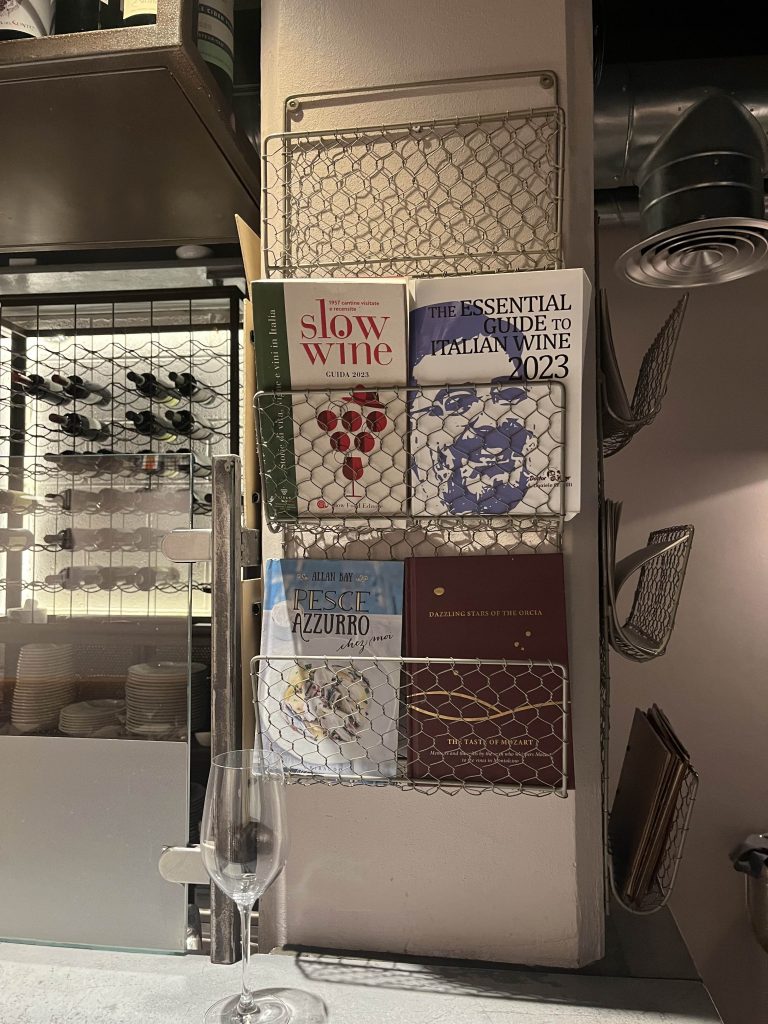
It's also possible to read wine books while waiting for your food or sipping your wine
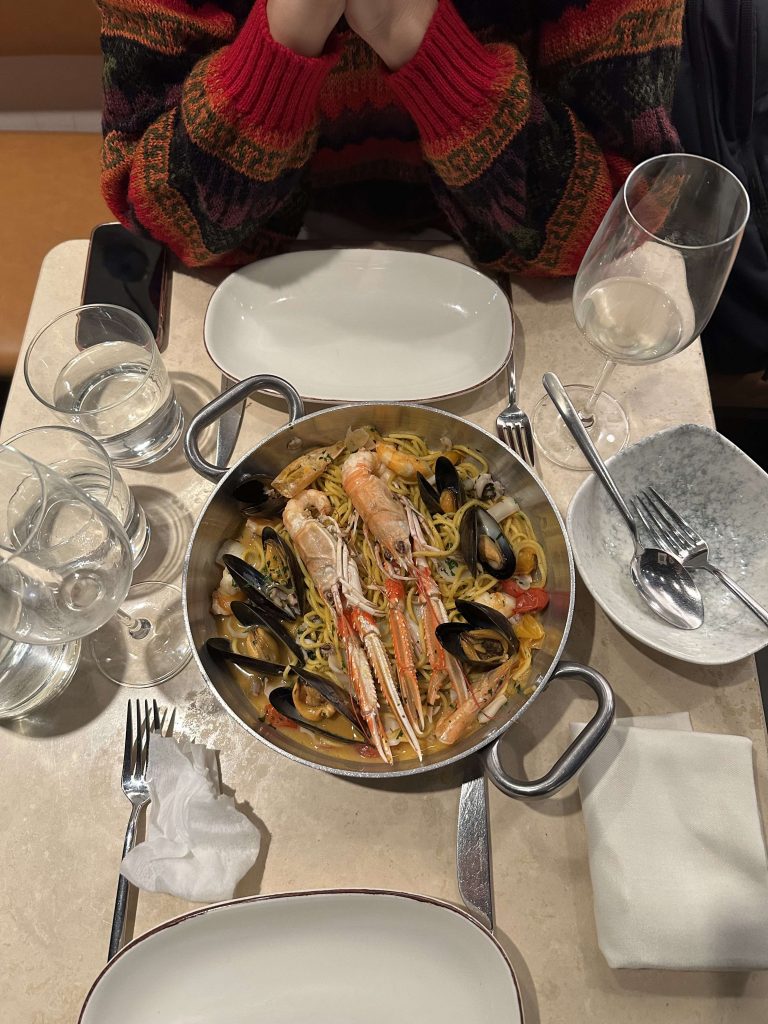
Although we found the prices a bit expensive, we especially loved the calamari and the seafood pasta.

Trivet

We also had one of our dinners at Trivet, a freshly 2 Michelin-starred restaurant (when we went it was still 1 🙂 ) in which İsa Bal, our national pride and the first and currently only Turkish Master of Sommelier, is a partner.

As fresh WSET3 graduates, while we had incredible fun examining the wine menus, we had great difficulty making a choice because the number of options is vast and the options are excellent 🙂

This wine menu called Cellar, where you can access wines from all over the world from Iran to Canada, is so rich that we could call it the holy book of wine lists. The menu starts by showing the historical flow of wine along with the names of the countries.

At this restaurant, one of the rare places in England where you can drink Turkish wine by the glass, Georgia, Armenia, Iran, and Turkey are at the top of the list in both white and red bottle options. This also stands out as one of the indicators of how much importance they place on the history of wine. Those who want to browse can access the online version of the menu here.

A 70-page wine menu that is practically a book: Cellar
Trivet has different wine glasses for all different wine concepts, and the glasses are from Paşabahçe.

General Comments and Notes

  • Thursday, Friday, and Saturday venues are incredibly crowded. Especially from the hours coinciding with the end of the workday (5 PM to 6 PM), it becomes impossible to find a place. At least 5 or 6 wine bars we visited as of 6:15 PM on Thursday (despite one of them having very large capacity) were all full. Although the venues start to empty out a bit later, the crowds are much bigger on Friday and Saturday. For this reason, making reservations is essential, especially for busy days.
  • If your trip falls on a Monday, most of the places you'll want to visit may be closed. Nearly all venues have their opening and closing hours up to date on Google Maps. We recommend checking whether a venue is open before going.

Favorite Wines

Although we tried many wines from different parts of the world at these bars, some of the wines we tried were so good that we couldn't resist adding our favorites list as well.

Our top 3 favorite wines we tried were:

  1. Clos des Papes (Paul Avril), Châteauneuf-du-Pape, Syrah, 2017, Red, France, Châteauneuf-du-Pape: Top-level aroma intensity on the palate. Dark, dried fruits, dried meat, forest floor. Tertiary aromas have developed beautifully. The finish is one of the longest of any wine we've ever tried. Its style is superb. 7.9/10
  2. Gallimard Père & Fils, Cuvée de Réserve Blanc de Noirs Champagne Brut N.V., Pinot Noir, Sparkling Wine, France, Champagne: Bread and yeast aromas dominate the nose. Light in color, the effervescence level is slightly less compared to regular champagne. Nice fullness on the palate, slightly ripe apples, long persistence, full body. Balanced and enjoyable drinking. 7.5/10
  3. Cune (CVNE), Gran Reserva, Tempranillo, 2017, Red, Spain, Rioja: Complex aromas on the nose, on the palate the oak feels a bit much at first but balanced out as it opened up. A nice food companion, a balanced wine. 7.35/10

English Wineries (Kent, East Sussex)

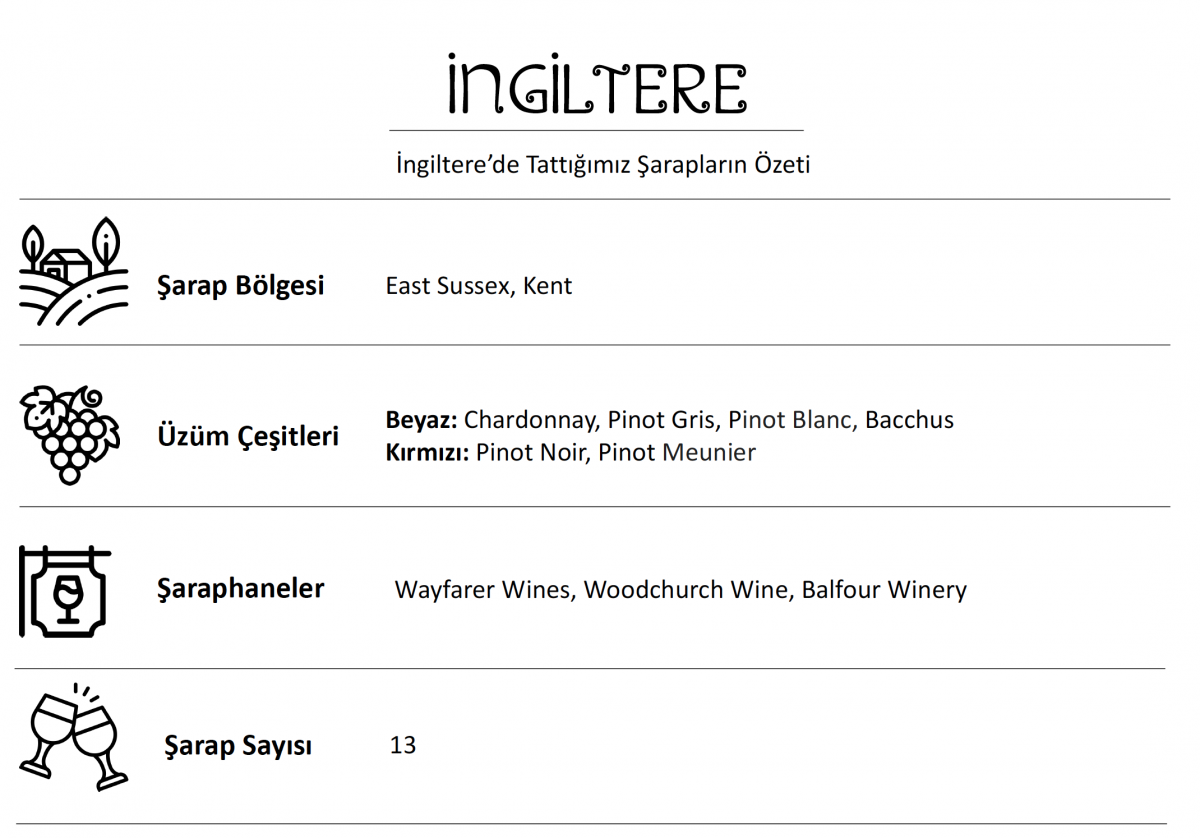
During our 1-week London trip planned for our WSET3 education, since we had come all the way to England, we didn't hold back from exploring this geography that is one of the world's newest wine regions.

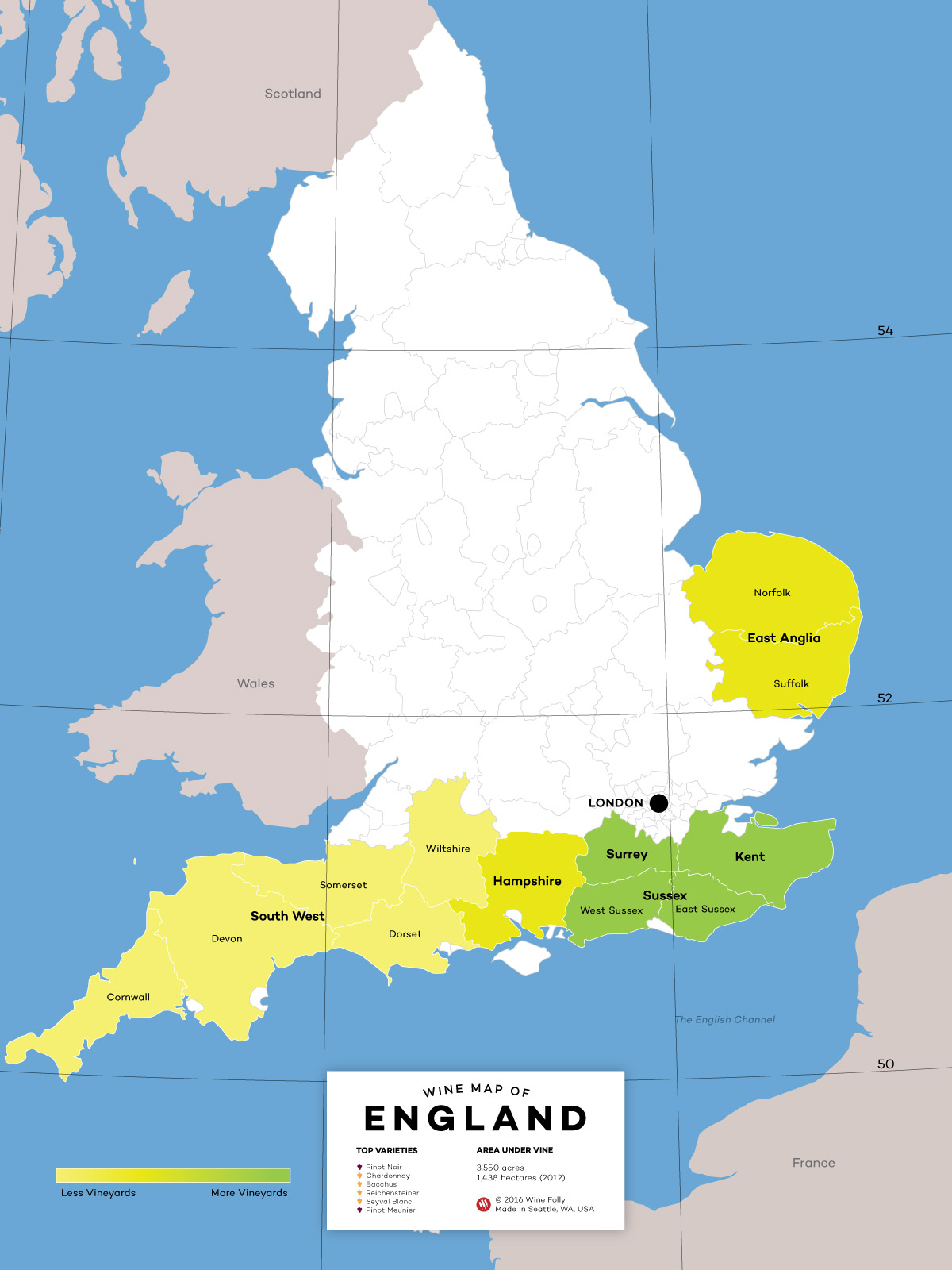
Although England has only recently started to be associated with wine thanks to the effects of global warming, the wine history here is actually very old. The Romans, who invaded England in the 1st century AD, recognized the potential of the local climate and soil for growing grapes and established vineyards throughout the region. While wine production continued in the region for many years, it was disrupted particularly by the effects of World War I and II, and as it lost its importance nationwide, the country's vineyards were uprooted. In the 1970s, the sector began to revive. With the founding of Nyetimber in 1988, incredible momentum was gained. Today, there are more than 900 wineries within the United Kingdom.

In order to use our limited time effectively, we booked a private tour from the English Wine Tasting Tours tour agency. We were more than satisfied with this company throughout our entire trip, which also organizes open tours every weekend during spring and summer at more affordable prices. Our guide Justin, in particular, took great care of us at every moment of the trip.

Our notes on the wineries and other touristic spots we had the chance to visit (Click to add to Google Maps):

Wayfarer Wines

Wayfarer, one of the most boutique producers we have ever visited in the world, is a family business. When father Jeff Ashford shared his dream of this winery idea with his children, they embarked on this venture together with their 2 children. Today they have an annual production of between 3,000 and 5,000 bottles. They have 3,000 vines on a total of 7 acres of land. Their building is like a small container, incredibly boutique. They don't have their own production facility; they work with existing wine producers for their winemaking processes.

At this establishment, which is only open from Friday to Sunday, 5 glasses of wine with cheese pairing costs 25£ in total. At this venue where we tasted a total of 3 whites (Pinot Gris, Chardonnay, Bacchus) and 2 rosés (Pinot Noir-Dry, Pinot Noir-Off-Dry), it's possible to experience the classic characteristics of English wines (high acidity, low to medium body). We thus tried the Bacchus grape, which is very famous in Germany and preferred for its cold resistance, for the first time 🙂

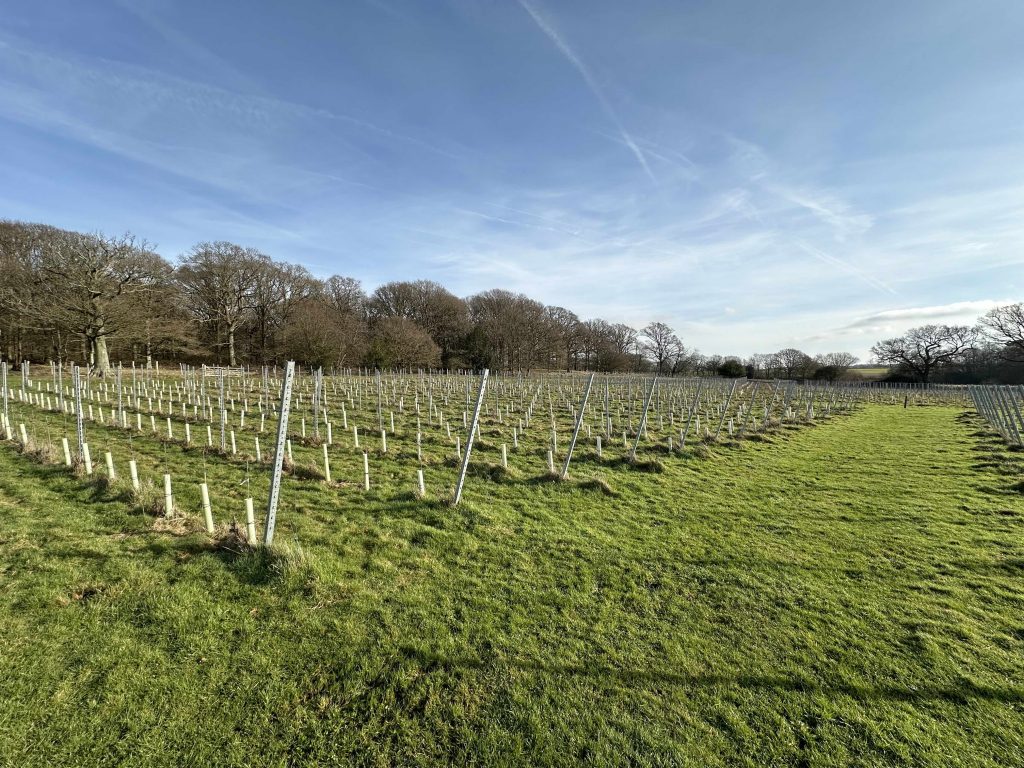
Completely grass-covered, newly planted Wayfarer Vineyards

Woodchurch Wine

Woodchurch, approximately a 5-minute drive from Wayfarer, was the second stop on our trip. At this winery, which has a total of 6 different wines consisting of 3 sparkling and 3 still, the price of a 3x50ml wine tasting menu is 12.5£. This facility, which is slightly larger than Wayfarer, has a balcony and garden with a wonderful view.

During the tasting presentation, we were especially impressed by Graham, who is also the owner of the winery, and his passion for and command of his own wine. Throughout the presentation, he shared even the finest details of the production process with us. While the first fermentation of the wine is completed at other facilities, they have set up their own facility specifically for the maturation stage of the sparkling wines, meaning they do half of their production at their own premises.

We definitely recommend visiting this producer, who takes a more experimental approach to wine and tries different techniques such as co-fermenting different grapes, for both their pleasant conversations and delicious wines if you have the time.

Balfour Winery

The largest producer we visited in the region was Balfour. We were quite surprised to see the production tanks outside the building here, something we were used to seeing at some wineries in Denizli. The problem with this design, which is done due to insufficient space, is of course not heat here, but cold 🙂 They use temperature-controlled tanks especially during winter months so the wines can continue their maturation.

This producer, which is the most elegant and largest in terms of venue, had truly wonderful presentations and ambiance.

We definitely recommend visiting this winery, where you can access many different tasting options through their website, especially to try English red wine. It's also an ideal place for having lunch or dinner accompanied by a beautiful view.

Touristic Spots

The Sussex region is also home to many historic structures. Since you've traveled all the way to the area, if you have the time, we definitely recommend visiting these as well. We were enchanted by the landscapes of this relatively rural part of England.

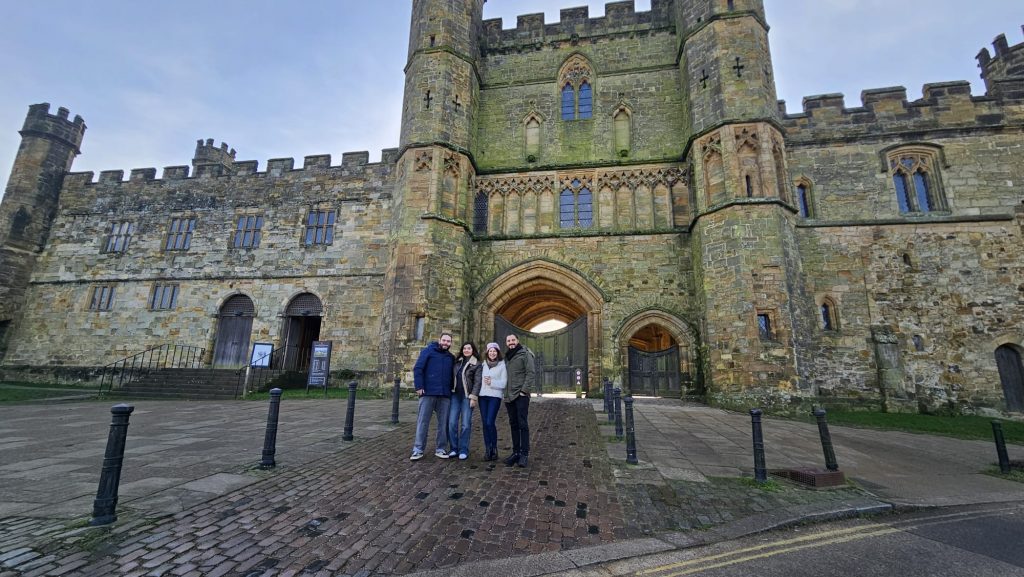
Battle Abbey: This abbey, built on the site where the Battle of Hastings between France and England took place, is home to many relics from the time of the battle. Unfortunately, we couldn't tour the historic area, which they said takes 3 to 4 hours to explore, due to our limited time. Still, it was worth seeing the abbey from the outside. Additionally, the town of Battle that hosts it is a classic English town. With its very old historic houses and charming cafés, it's definitely a town worth seeing.

The building is practically covered in moss

Bodiam Castle: Unfortunately, we could only see this castle, located 15 minutes from Battle Abbey, from the outside due to our limited time. This castle and its surroundings, with their beautiful setting, are definitely worth seeing.

Even though we didn't get the chance to go inside, it was quite pleasant to see even from outside

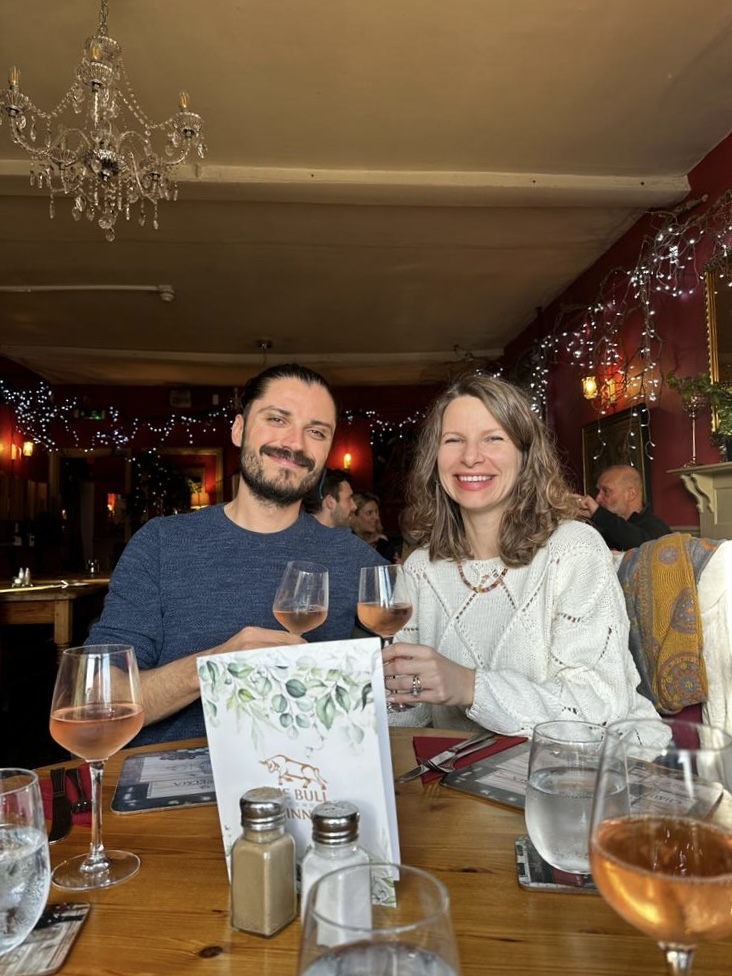
The Bull at Benenden: We had our lunch, arranged by our tour, at a place called The Bull in the town of Benenden. If you're wondering what a classic lunch in a classic English town is like, this is the right address.

Although hamburger and rosé wine are quite a mismatched pair, they are very popular here. Must be due to the lack of red wine 🙂

General Comments and Notes

  • Due to the climate of the region, the most commonly produced wine types are whites, sparkling wines, and rosés.
  • The acidity of all wines is very high, and their aroma profiles are generally dominated by green fruits and citrus.
  • Most producers in the region who make sparkling wine prefer to produce using the traditional method.
  • Most producers in the region grow Pinot Noir grapes. Although it's predominantly used in sparkling wine production, it's also possible to find rosé wines at most producers.
  • As for red wines, they can only produce them after very hot summers, so reds are unfortunately not available from every vintage.
  • The vegetation of the vineyards is very original. There is generally a very dense grass cover, and its sponge-like texture with incredible water retention really surprised us.
  • Because it's a cold region, German grape varieties are very common. The Bacchus grape in particular can be found at every winery. Red grapes like Dornfelder are also reportedly grown, but we didn't get the chance to try them.
  • Vineyards generally have close planting, and the grass cover between the rows is generally maintained. 

Favorite Wines

Our favorite wines we tried were:

  1. Woodchurch Winery, Field White Bacchus, Chardonnay, 2022, White: The aromatic profile of the Bacchus grape has created a nice balance with Chardonnay's higher and oilier body. Intense on the nose, acidity-alcohol balanced on the palate, full-bodied, an enjoyable and elegant wine. 7.30/10
  2. Woodchurch Winery, Classic Brut NV, Chardonnay, Pinot Noir, Meunier, White: Fruitiness is at the forefront on the nose, the bread-biscuit-pastry aromas typical of traditional method production are less present. Acidity is much higher than a normal sparkling wine, and fruitiness is also much more than other sparkling wines made with the same method. Nice fullness. A nice alternative sparkling wine for those who love aromatic wines. 7.20/10
  3. Balfour Wines, Brut Rosé, Pinot Noir, Chardonnay, Pinot Meunier, 2018, Rosé Sparkling Wine: Grapefruit, lemon, apple, sour cherry, fresh on the nose. With it being a rosé, there are red fruity aromas coming from the background. Its effervescence and fullness are superb. A wine that even people who wouldn't normally choose rosé could enjoy. 7.15/10
  4. Wayfarer Wines, Wandering Wayfarer, Bacchus, 2022, White: A quite floral and intense aroma profile on the nose, aromas like honeysuckle and orange blossom. Finishes very quickly on the palate but has high and balanced acidity. All the aromas from the nose also come through on the palate. High minerality. Could have been much more enjoyable if the finish weren't short. 7/10

South American Wines & Wine Bars (Peru, Bolivia, Chile, Argentina)

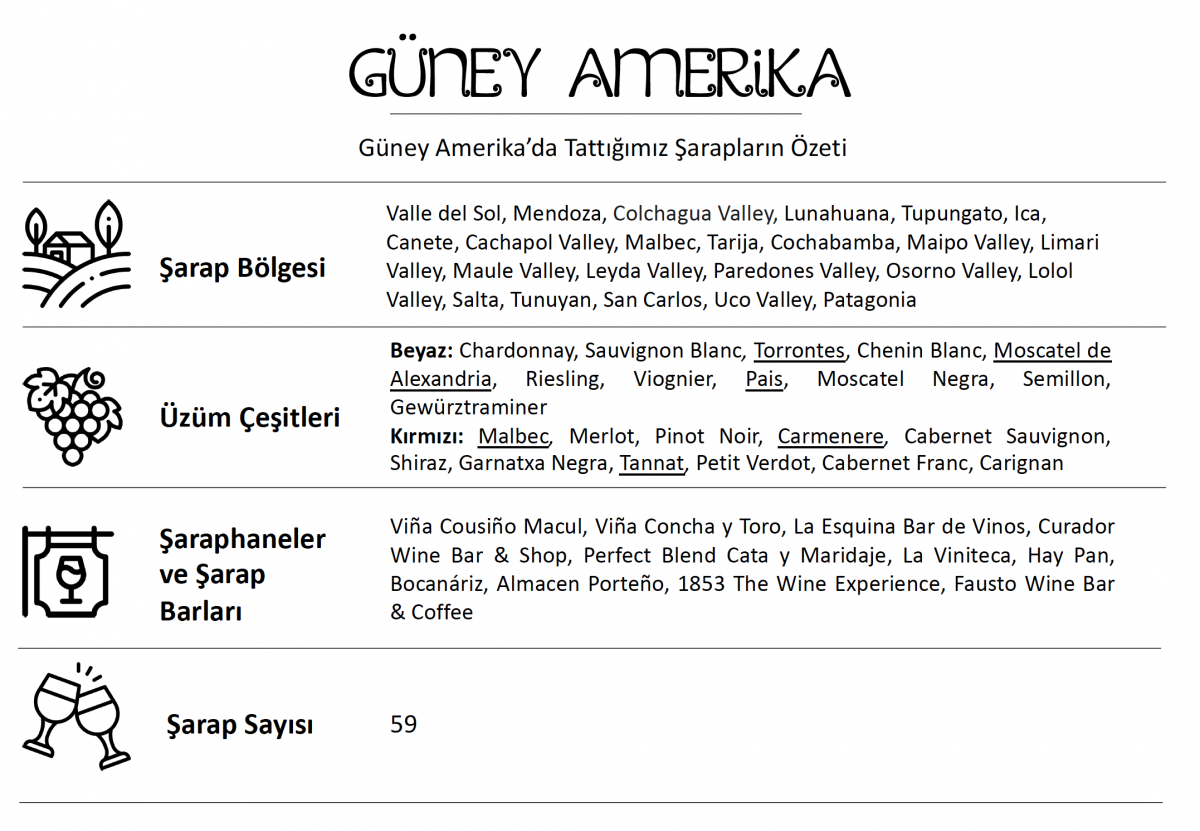
South America was a route we had dreamed of traveling for years. Machu Picchu, in particular, was always at the top of our travel list. After having to cancel our Peru trip several times due to the pandemic and various other reasons, we found the opportunity to realize it in 2023 by expanding the route into a Grand South America itinerary. Although our trip was entirely built around cultural landmarks, we didn't neglect discovering plenty of wine in the cities we visited.

Despite spending very little time in Chile and Argentina, the major wine regions along our route, we structured our entire trip around wine. In places like Peru and Bolivia, which aren't popular for wine, we made surprise discoveries. As with every trip, we collected wonderful memories while chasing wine throughout this journey and returned to our usual routine.

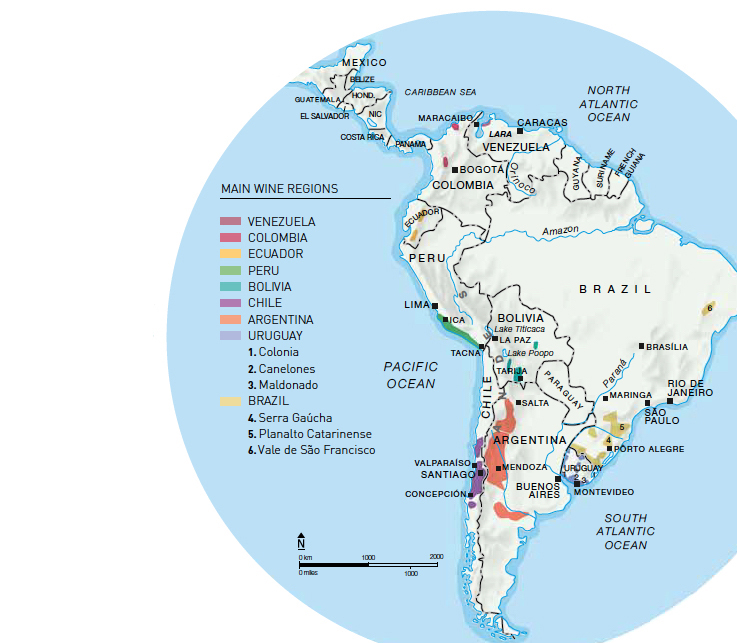
South American Wine Regions
Source: https://www.ozclarke.com/2017/12/01/world-of-wine-discover-south-america/

Our notes on the bars, wineries, and other touristic spots we had the chance to visit (Click to add to Google Maps):

Lima (Peru)

Although Lima is home to many wine shops and wine bars, wine culture is definitely not widespread in the city. The existing wine bars mostly carry wine options from other countries like Spain, Argentina, and Chile. In Peru, which produced around 80 million liters of wine in the 1600s and currently has only 85 producers in the Ica Valley, it's unfortunately not possible to find most of these wine options in wine bars and restaurants. Pisco, a type of brandy and the country's most common drink, generally dominates the drinking culture in the country. Because of this, Peru resembles our country both culturally and historically when it comes to wine.

The most interesting thing that caught our attention in Peru was the way the vineyards were planted. To protect against heat and birds, the vines were both planted very close together and completely covered with netting.

Curador Wine Bar & Shop

One of the most punctual places we've ever seen when it comes to time. On the day we went, this place opened at 8 PM and we arrived at 7:45. Even though the inside looked open and ready, they made us wait until exactly the opening time and let us in at 8. 🙂 We entered this place congratulating them on adhering to their principles, and the food was quite good, we especially loved their mushroom pizza.

This wine bar has a menu with by-the-glass options that change weekly, where you can taste 3 different whites and 3 different reds each week. The wines were generally selected from Peru, Argentina, and Chile regions, and on the day we did our tasting there was also 1 French wine. If you ask for different wines (especially Peruvian wines), they can open 1 or 2 more bottles to give you extra help. Their service was incredibly professional. Although we found some average wines in their selection, it was a very enjoyable place for a pleasant dinner.

Perfect Blend Cata y Maridaje

At this wine bar where we had some difficulty communicating due to the language barrier, we managed to get by somewhat thanks to Google Translate. At this place where you can get a glass (15 cl) of wine for about 25 SOL (6 USD), if you want a wine tasting, you can get 3 small 5 cl glasses per person for about 60 SOL (16 USD). At this wine bar where buying by the glass makes much more sense, make sure to ask about all available options. When we first arrived, there were only 2 options available by the glass, but as we tried them and kept asking if there were more, they ended up serving from a total of 6 or 7 open bottles. While wines from all around the world can be found as options at this venue, it's primarily possible to access Peru, Argentina, and Chile wines.

La Viniteca

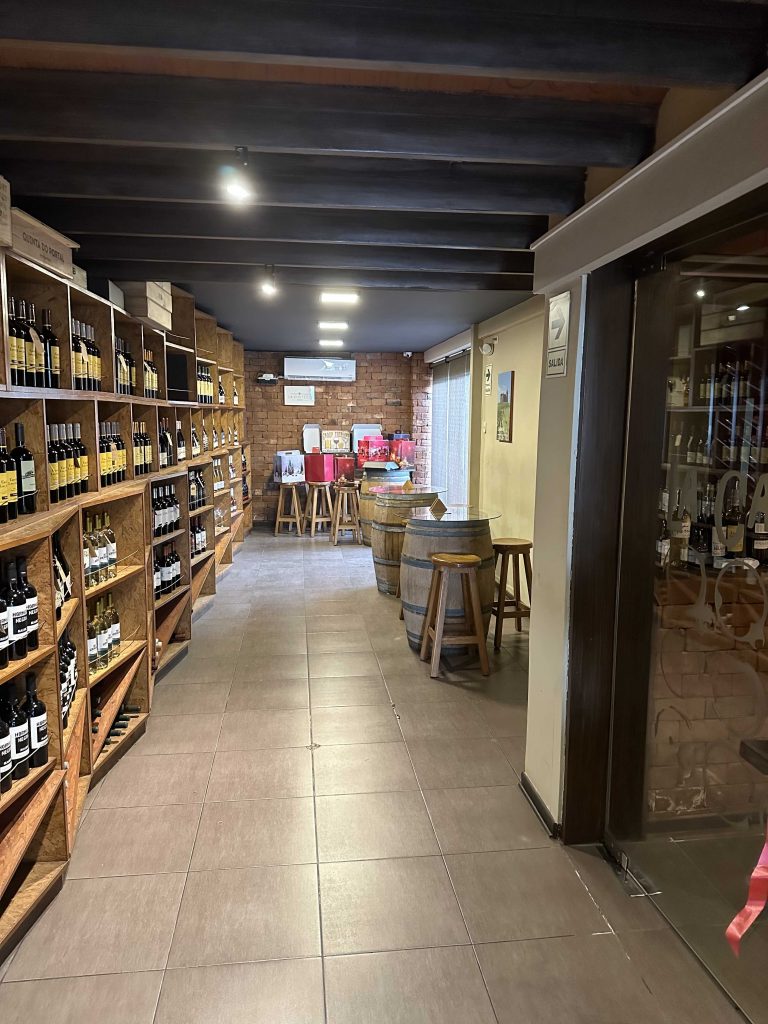
The main feature of this venue is its wine shop, and normally they also offer by-the-glass service using a Coravin. When we went, their Coravins were broken so we couldn't do a tasting, but if you go with a group you can have them open a bottle to share. The wine shop is very rich, the staff speaks English, and they're very attentive. It was the first place in Peru where we could talk about wine in English. They answered many of our questions. It's worth visiting just for that alone.

It's also possible to get bottle or glass service at the tables in the shop

La Esquina Bar de Vinos

When we arrived at this wine bar, which we had visited after seeing plenty of by-the-glass options on their old menus via Google Maps, we found out they only had bottle service and were very disappointed. With the lightness of having now seen a wine bar with no by-the-glass service in our lifetime, we continued our explorations without slowing down.

Bonus: ChocoMuseo

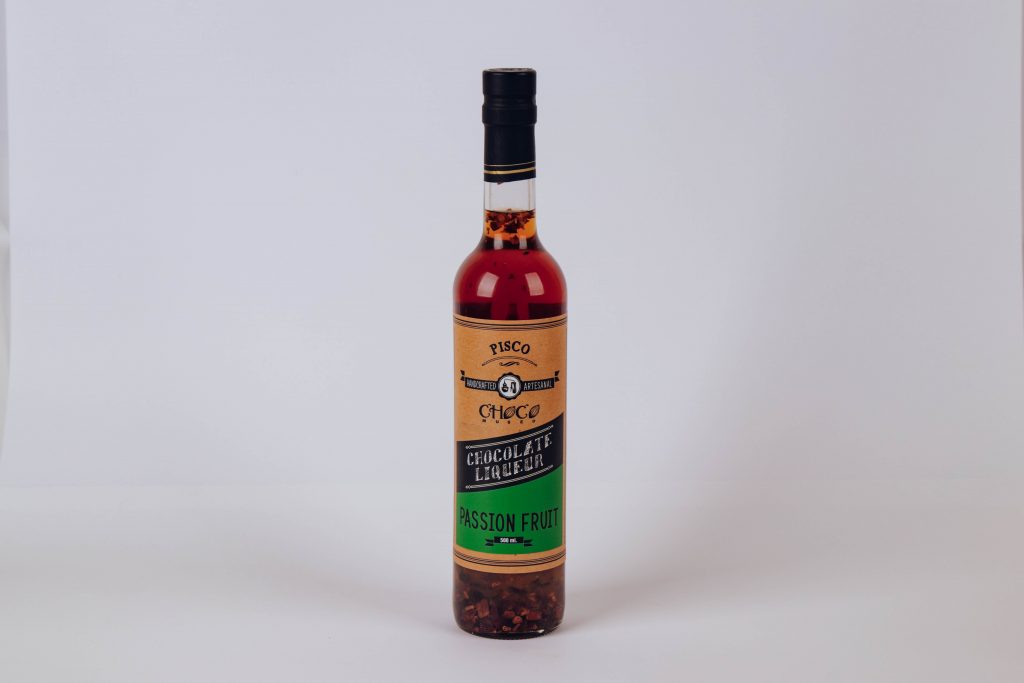
At this venue that makes different liqueurs based on Pisco, a grape brandy made from the Muscat grape, you can taste all the drinks for free. At this place with liqueurs that all differ in flavor, we especially loved the Passion Fruit and Goldenberry based liqueurs.

Pisco-based Passion Fruit Chocolate Liqueur
Source: https://www.chocomuseo.com/peru/online-store/chocolate-liqueur/

La Paz (Bolivia)

Bolivia was the place that surprised us the most about wine throughout our entire South America trip. Unlike Peru in particular, every restaurant, café, and bar we visited predominantly carried Bolivian wines. Thanks to this, we were able to taste Bolivian wines plenty. Drinking original wines made from grapes grown at high altitude in this country, whose name we had never heard of in the wine world before, gave us a unique experience. When approached objectively, this country, which offers wines very different from the wines we are accustomed to, clearly impressed us with its characteristic wines. From a 2021 vintage Tannat wine that smelled completely of iodine, to Muscat grapes with the harshest and most pungent aromatic profile we've ever tasted, it surprised us quite a bit.

Hay Pan

This wine bar, which only has Bolivian wines on its menu, is truly an oasis in the desert for wine lovers within the chaotic La Paz atmosphere. At this small family-run establishment offering many options both by the glass and by the bottle, we had the chance to try a total of 6 wines by the glass. Although the owners don't speak very good English, we bridged the gap through Google Translate. 🙂 While we didn't enjoy the food much at this wine bar, we definitely recommend stopping by to access the wide selection of Bolivian wines.

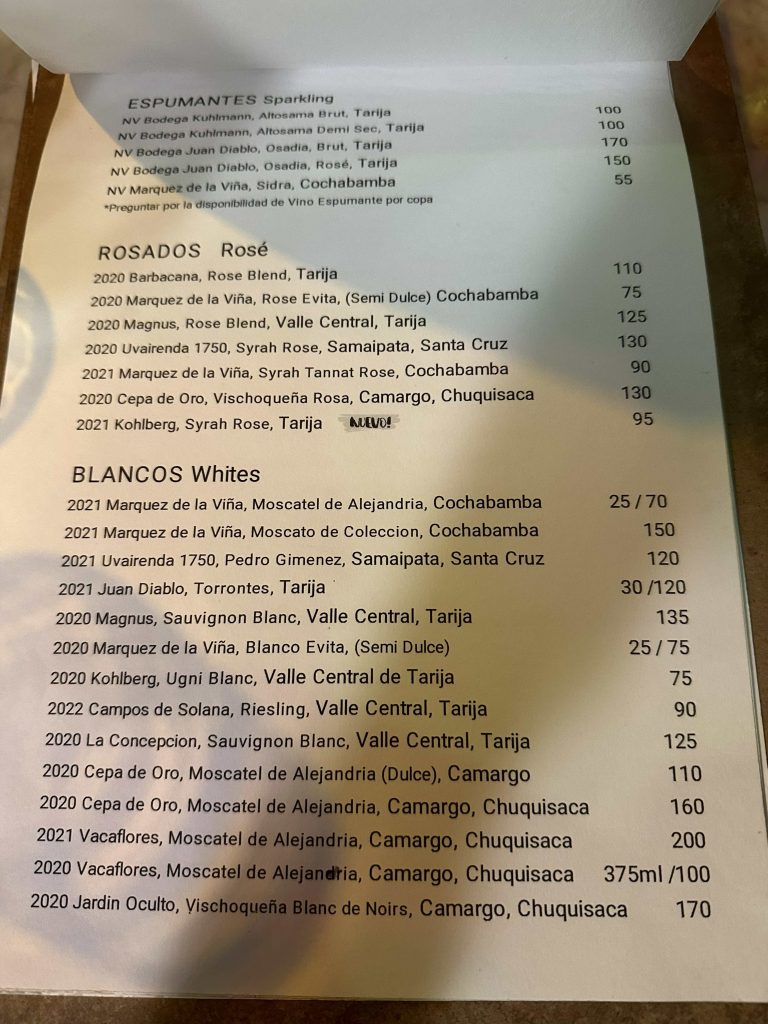
Hay Pan's rich wine menu

Bonus: Coca Museum

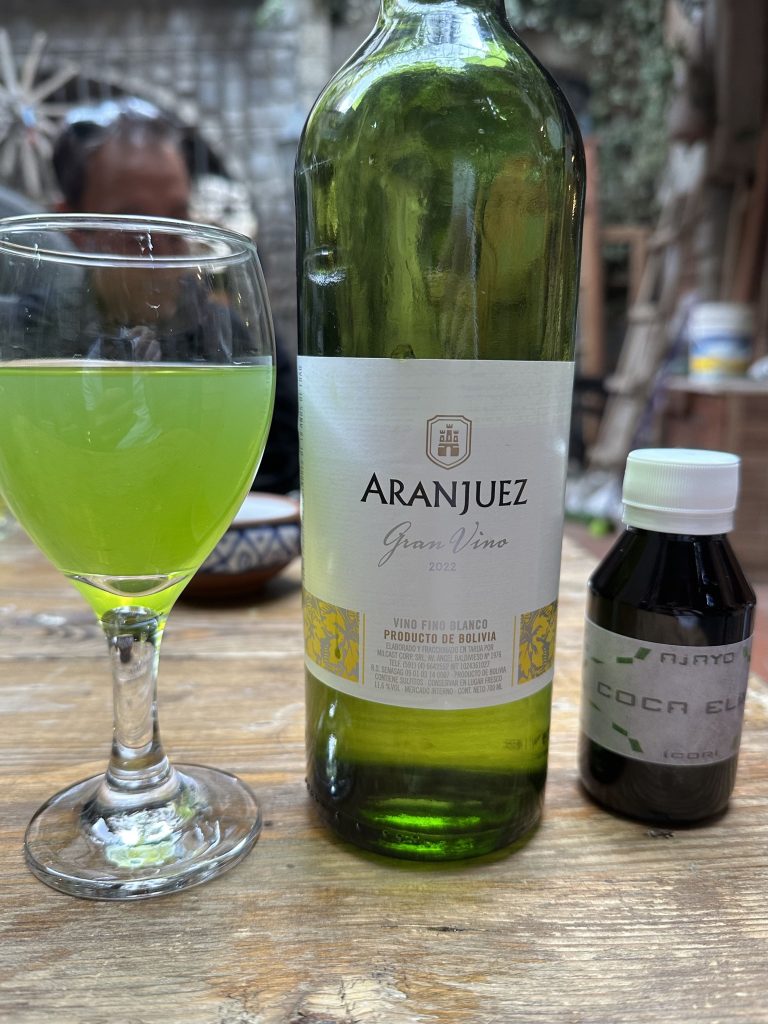
The use of the Coca plant, from which cocaine's raw material is derived, is still quite common in the region. This plant, consumed especially as tea, is perfect for oxygen deficiency at high altitudes. There is a museum established to tell the history of this coca plant, which also has different consumption forms such as sugar, chocolate, etc. At the museum's cafeteria, you can drink coca-infused beer and wine cocktails.

As a couple who don't normally enjoy wine-based cocktails very much, we found the Coca-Wine cocktail quite original and worth trying. The balance of this cocktail, made using a full-bodied Muscat grape-based wine, is very well calibrated. For a different experience, we definitely recommend trying it if you're in the area.

Coca Wine

Santiago (Chile)

Although Santiago was one of the places where we spent the least time on our trip, it was one of the countries with the most options when it came to wine. Thanks to the many wine regions very close to the city center, we had the opportunity to visit 2 wineries and 1 wine bar. We left this beautiful city, where we couldn't get enough of the quality wines, with tears in our eyes and the taste still on our palates, dreaming of the days we would return.

Viña Cousiño Macul

Located in the Maipo Valley, half an hour from the city of Santiago, Cousiño Macul is one of the closest wineries to the city. The oldest winery in the region, founded in 1856, has moved its main production facility to a location further outside the city and preserved this old facility solely as a tasting venue and museum.

This winery, which offers many tasting options in different concepts and reservation availability on its website, is incredibly crowded, especially on weekends and afternoons. We had originally planned to visit this venue in the afternoon, but since it was full, we had to visit early in the morning. Since English tasting sessions are much fewer compared to Spanish, the spots fill up very quickly, so we definitely recommend making a reservation in advance.

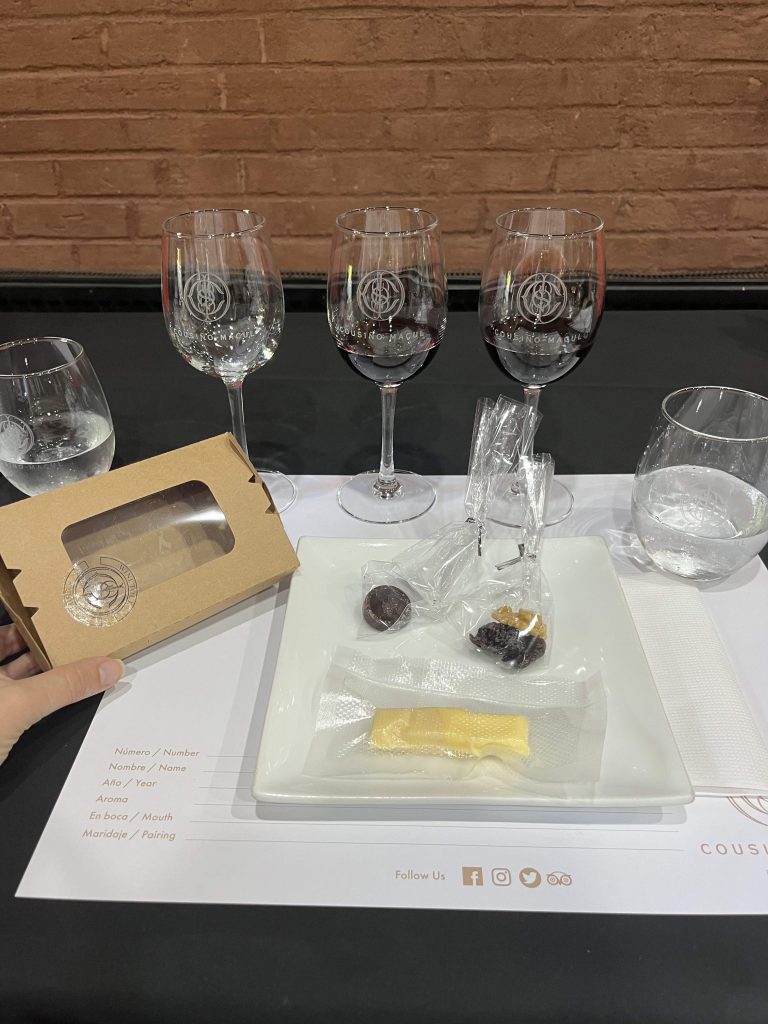
We purchased the premium 6-wine tasting and winery tour package. This tasting set, at 30 USD per person, was a bit pricey, but the average for tastings in Chile is unfortunately at this level. In this package, 3 wines are tasted at the production facility, and 3 more premium wines are served after the facility tour is completed, with a total duration of 90 minutes. Although the presentation in the last part was a bit rushed to fit the tasting within the time limit, the venue earned full marks from us with both the warmth of the staff and the quality of the wines. Especially drinking wine in their historic cellar and listening to their stories was very enjoyable.

The part of the facility we admired the most was undoubtedly the cellars. With no windows and therefore no light, visibility in these cellars is only possible by candlelight. These old cellars, built in a cave style, maintain their coolness through natural methods. They contain many wines that have been aging since the 1900s. The door to the section with the most recently aged wines was last opened as a gift when the Prime Minister of England visited four years ago.

When going to the venue, you need to leave early to account for city traffic, as Google Maps doesn't show the traffic in the city very accurately.

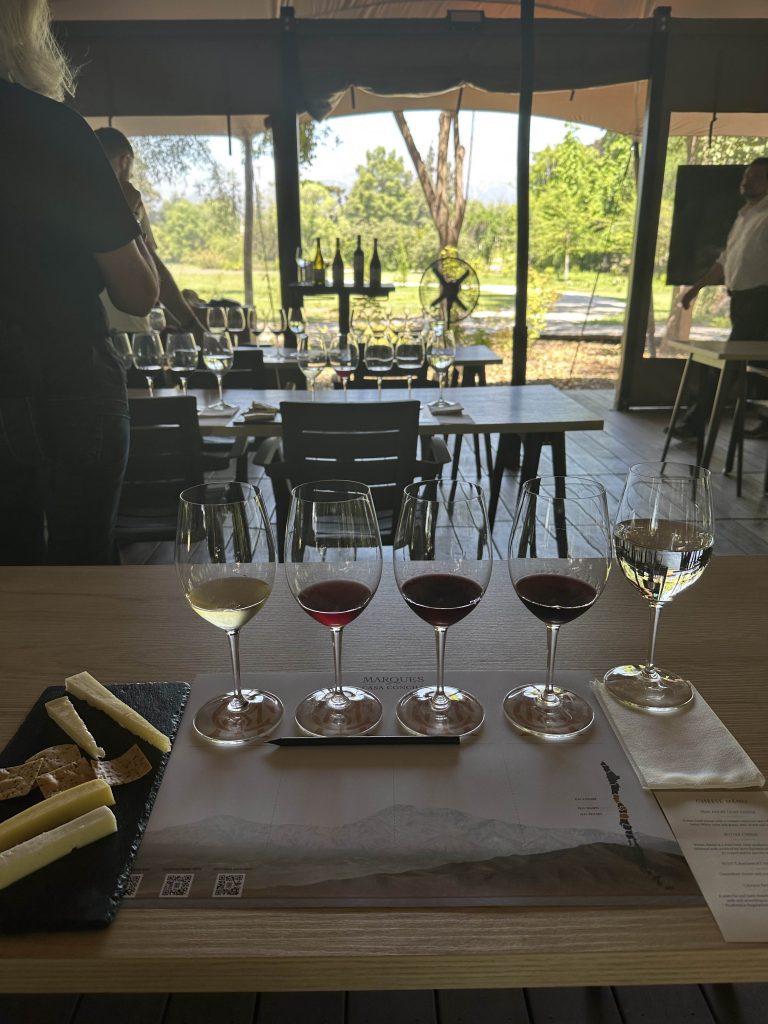
The second part of our tasting set (Premium tasting set)

Viña Concha y Toro

This producer, located one hour from the city of Santiago, is one of the largest in Chile. The history of this producer, which also owns the Casillero del Diablo brand commonly found in our country, goes back very far. Founded in 1870, this producer is established on a 220-acre plot of land. They have a 22-room house built in 1870 that belongs to the owners. Since they were far from the city, they also built their own church next to the house, and in the 1950s this church was opened to the public and removed from within the facility. This large facility, which has an artificial lake built to irrigate the vineyards, was one of the most fantastic wineries we've ever seen.

This winery, which offers many tasting options in different concepts and reservation availability on its website, had a similar crowd to Viña Cousiño Macul. Because of this, it's definitely worth making a reservation before going.

The first step of our tasting tour, for which we purchased the 7-wine MCC package, involves an exterior tour of the producer's house built in 1870. Next, the tasting and presentation of the first 3 wines takes place at the outdoor tasting area in the garden. Afterwards, a tour of the vineyards with 20 different grape varieties is conducted. Then comes the tour of the Devil's cellar, which also gave the Casillero del Diablo its name. During this tour, the legend of the devil/ghost that was famous in this region in the old days is told accompanied by light shows. In the final section, for the tasting of the remaining 4 wines, you separate from the main group and do a detailed tasting in a different area with one of the sommeliers. This tour, for which we paid 37 USD per person, was quite rich as a winery visit. In terms of wine, while the first 3 were well-selected wines, our last 4 wines were a bit average (though the cheeses served alongside the wines were superb). Because of this, it's worth looking at alternative packages besides MCC.

The most interesting piece of information we learned during the tour was the egg whites used on the walls of their main cellars to increase earthquake resistance. While it may seem like a simple technique by today's standards, considering the 1870s, it's quite complex both in terms of cost and the technique used. This once again shows the importance the family gives to wine.

The second part of our tasting set (MCC tasting set)

Bocanáriz

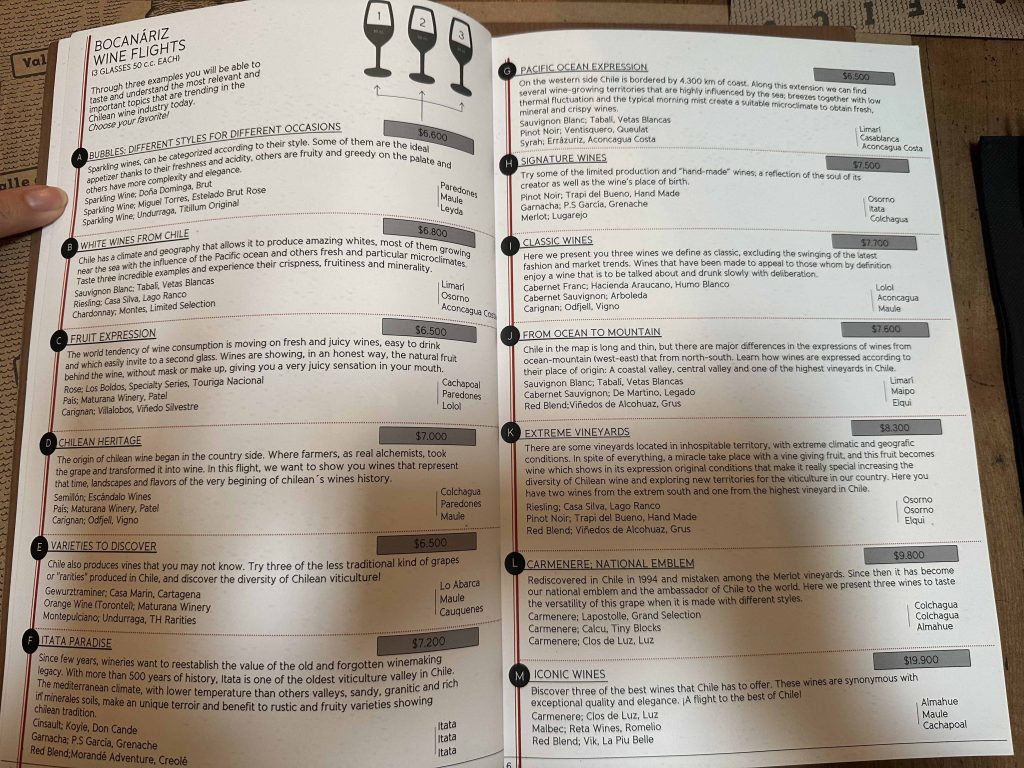
We had our dinner in Santiago at a magnificent wine bar called Bocanáriz. This wine bar, which is an absolute paradise for trying different wines, offers 32 different wines available in both 5 cl and 15 cl pours. In addition to its wine richness, this venue also has excellent food, and we definitely recommend stopping by if you come to the city. If you ever visit this place, which we dream of going to at least once a week if we ever move to Santiago one day, don't miss the mushroom risotto.

In addition to single glasses, it's also possible to go with the tasting menus prepared by Bocanáriz

Santiago Wine Club

This boutique wine shop, located just a 5-minute walk from Bocanáriz, offers tourists a very comfortable shopping experience thanks to its English-speaking owner. Considering that 2 of the wines we bought from the selection recommended by the owner turned out to be our favorites out of all the wines we tried throughout our entire trip, we definitely recommend stopping by to purchase wine.

Buenos Aires (Argentina)

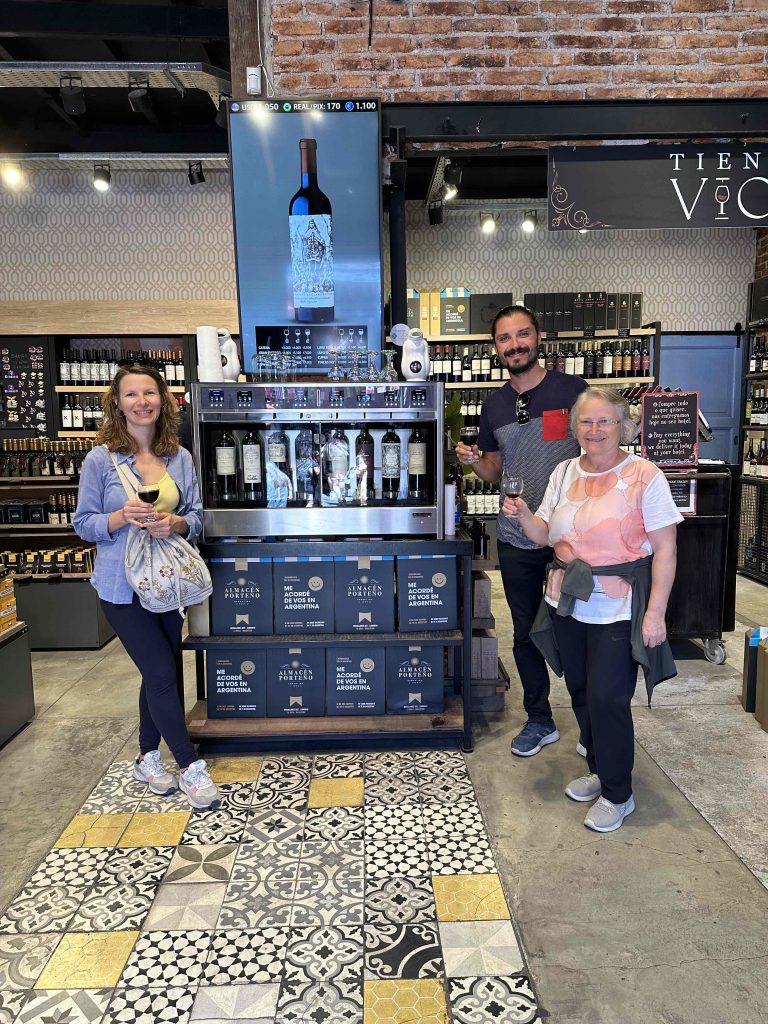
Although we spent even less time in Buenos Aires than in Santiago, thanks to the wine dispensers found at many venues in the city, we had the opportunity to try 5cl, 10cl, and 15cl glasses of different wines.

Almacen Porteño

At this market located in Boca, one of Buenos Aires' most popular tourist areas, it's possible to taste 8 different types of wine from the wine dispenser. A perfect place to catch your breath while on the tourist route and taste different and fine Argentine wines.

When we find one, we never pass it up

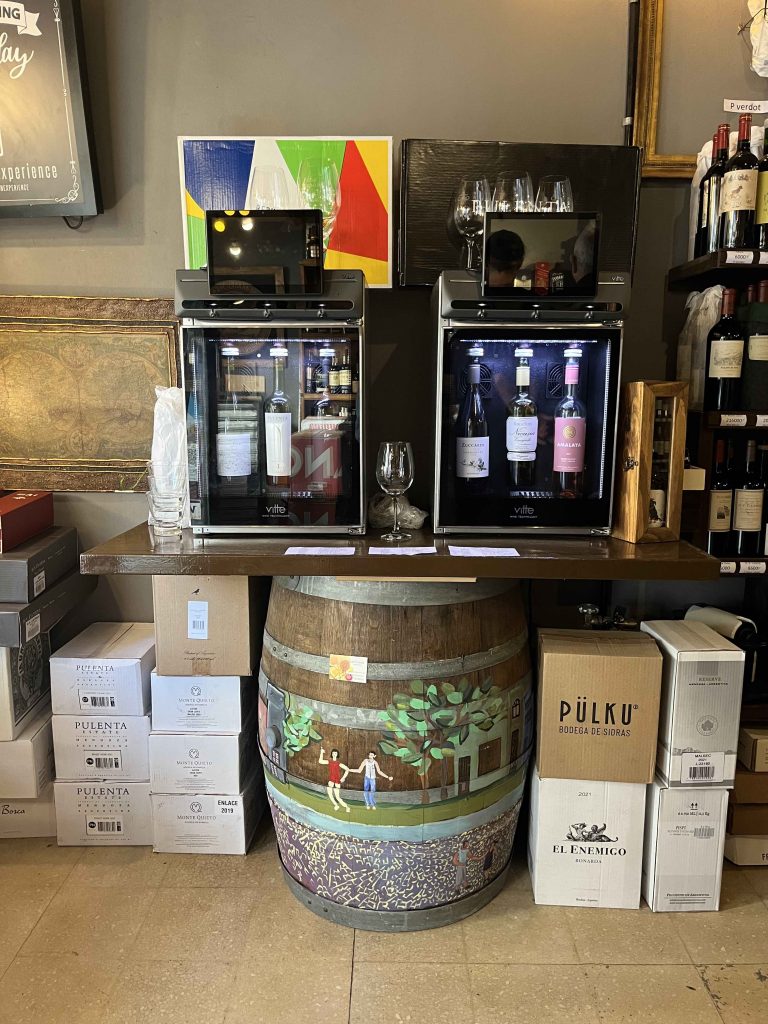
1853 The Wine Experience

At this wine shop located in the very popular tourist area of San Telmo, you can get by-the-glass service from the 6 options in the wine dispenser or have a bottle opened.

Besides the quality of the wines offered, this wine shop completely won us over with its owners. Although the owners, who were the most attentive people to customers we met during our entire trip, don't speak English, they gave us one of the warmest tastings we've ever had. This venue, where we drank 6 glasses of wine for a total of 18 USD and the 3 bottles we bought to take home cost only 27 USD, became one of our favorite places on the trip with its pricing, wine selection, and the attentiveness of its staff.

1853 The Wine Experience's wine dispenser

Fausto Wine Bar & Coffee

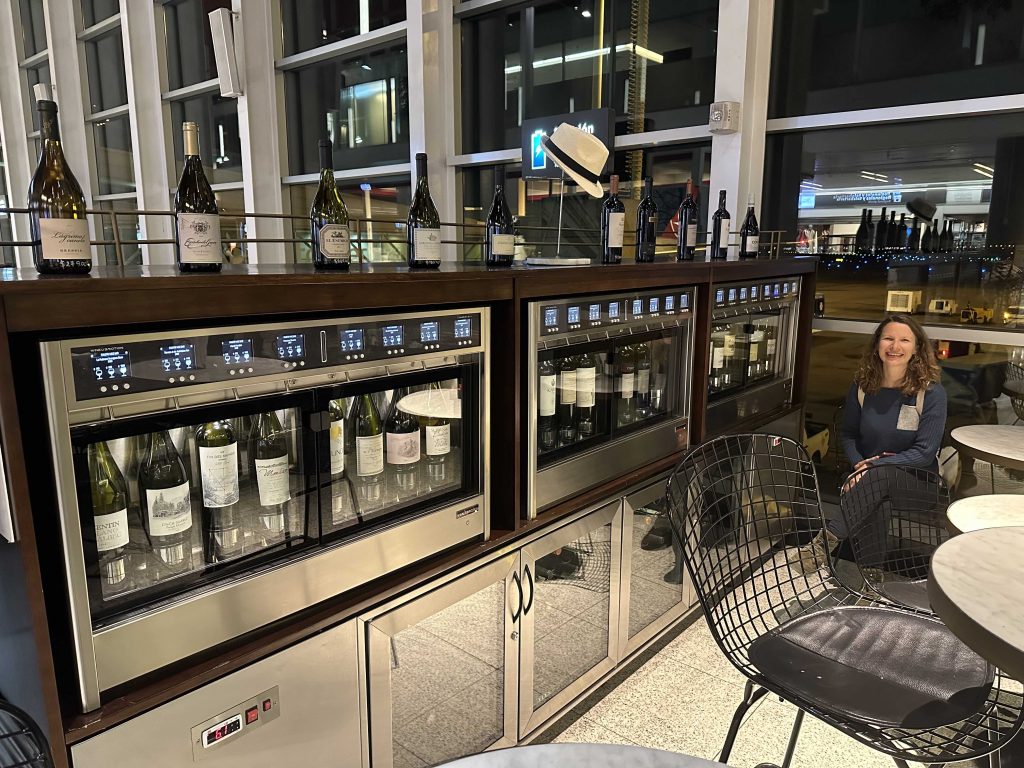
Just as we were lamenting "Why did we come to the airport this early, we could have visited at least one more wine bar in that time," we came across Fausto Wine Bar, which surprised us quite a bit. This wine bar, where you can get 24 different wines in 5cl, 10cl, and 15cl options, is located after passing through all security checks at the airport. This wine bar, which is an incredible service for wine lovers, also proved that Argentina is truly a wine country.

The biggest surprise we experienced about the place was that the wines listed on the price displays were completely different from the actual wines below them. For example, on top of a 2012 wine was the name and price of a 2023 wine, while on the 2022 wines there was a different wine from the 2016 vintage. The wine bottles had been updated but the electronic names and prices in the dispenser had not been updated. Although we warned the staff about this, since they couldn't update the system, they couldn't make any changes and gave us the quality wines we selected at their cheaper listed prices. 🙂 As the last stroke of luck on our trip, during the time we waited at the airport, we found the opportunity to taste Argentine wines one last time in both an affordable and enjoyable way.

It's possible to taste 24 different wines by the glass even at the wine bar in the airport

General Comments and Notes

  • Chile and Argentina are countries that truly value wine. Places that every wine lover would enjoy visiting and exploring extensively. As for Peru and Bolivia, although they have no particular claims about wine, when you visit to see how different wines can emerge from different geographies and climate conditions, you should definitely give their wines a chance.
  • The Malbec examples we tried in Peru were very different from Argentine Malbecs. These Malbecs, with less fruity profile, lower body, and dominated by more spice aromas like eucalyptus and thyme, had a style that clearly stated they came from a different region.
  • All the wines we tried in Bolivia had very low acidity. Tasting the exact opposite of the high acidity expectation we had learned from textbooks in this geography, where the day-night temperature difference is high and where wine is produced at perhaps the highest altitude in the world, was one of the most interesting experiences for us.
  • The Torrontés grape is quite common throughout the entire South American region. It's particularly widely available in Peru, Bolivia, and Argentina. Since this grape is not found at all in regions near us, it's essential to taste it plenty when visiting this area. It has a very characteristic aroma profile. This grape, dominated by green and herbaceous aromas, has an aroma profile that those who love it will love very much, and those who don't will not like at all.
  • Carmenere is absolutely an excellent grape. On this trip, we once again confirmed that we are a couple who are complete Carmenere lovers. The fact that 3 out of the 4 wines we liked the most throughout the trip contained Carmenere was another confirmation of this. 🙂 The intensity of floral and fruity aromas found in its good versions gives a feeling almost like a red wine blended with Muscat grape.
  • The Malbec grape is really a very difficult grape. Unfortunately, we encountered wines similar to the imported versions we get in our country that have reduction problems, both in Peru and Argentina during our trip. While non-reduced Malbecs provide wonderful enjoyment, the fact that we experienced this problem in perhaps more than half of the Malbecs we've tried to date was once again proof of what a difficult grape it is.

Favorite Wines

  1. Maturana, MW, Carmenere, 2018, Red, Chile, Colchagua Valley: Very intense aroma profile on the nose. Carmenere's signature aromas at the highest level. Raspberry, licorice, between red and dark fruits. Strong acidity on the palate, extremely elegant tannins, all the aromas from the nose are present, the alcohol-tannin balance is superb, long finish. A wine that is truly awe-inspiring. 7.95/10
  2. Cousiño-Macul, Finis Terrae Red Blend, Cabernet Sauvignon, Merlot, Syrah, 2017, Red, Chile, Maipo Valley: Blackcurrant and dark fruits like licorice dominate the nose. It has a deep and very layered nose. High acidity on the palate, tannins are noticeable but have softened beautifully. Spicy aromas, red pepper, cooked flavors are dominant, long finish. 7.5/10
  3. Clos de Luz, Luz, Carmenere, Cabernet Sauvignon, 2022, Red, Chile, Colchagua Valley: Perfumey aromas, licorice, toasted bread, butter on the nose. Superb aroma intensity on the palate, sour cherry, sweet spices. High acidity, balanced tannins, long finish. A very full and complex wine. 7.5/10
  4. Vultur, Gryphus, Carmenere, Petit Verdot, Petite Sirah, 2019, Red, Chile, Colchagua Valley: Red and dark fruit aromas from Carmenere are dominant on the nose. Spicy aromas from the other grapes are also present. Full-bodied on the palate, spice and vanilla aromas dominant. Oak is noticeable, tannins have softened. 7.45/10
  5. Clos de Charcas, Eredita, Malbec, 2019, Red, Argentina, Mendoza: Very nice dark stewed fruits on the nose. Full-bodied, long finish, superb oak balance. A flawless Malbec. 7.4/10
  6. Bodega del Fin del Mundo, White Blend, 2018, White, Argentina, Patagonia: Floral and fruity aromas dominate the nose. Pear, banana, ripe tropical fruits. High acidity on the palate, dense body, superb aroma profile, long finish. A complex white wine. 7.4/10
  7. Errazuriz, Max, Shiraz, 2015, Red, Chile, Aconcagua Valley: Intense black pepper, licorice, forest, earth, smoked meat, menthol on the nose. Both primary and tertiary aromas are intense. Has lightened beautifully on the palate, oak is noticeable, tannins are very soft. Aromas increase as it opens up, dark fruits and sweet spices emerge. 7.4/10
  8. Campos de Solana, Trivarietal, Gran Reserve, Tannat, Malbec, Petit Verdot, 2020, Red, Bolivia, Tarija: Ripe red fruits on the nose, shifting toward dark as it opens up. High acidity on the palate, tannins are strong but have softened. Medium body, nice palate aromas. Has an enjoyable drinking quality but doesn't seem to have much aging potential, a drink-now wine. 7.3/10
  9. Laureano Gomez, Pinot Noir, 2022, Red, Argentina, Uco Valley: Very nice red fruits on the nose, strawberry, raspberry, caramel, a slight vegetal note. A true Pinot Noir. Nice aroma intensity on the palate, acidity is a bit too high and overpowers the aromas. Very long finish. 7.3/10
  10. Zuccardi Serie A Torrontés 2022 White Argentina Salta: Muscat-like aromas on the nose, floral, white rose and lemon dominant, slight minerality is also noticeable. A somewhat different taste specific to Torrontés on the palate. Full-bodied, medium finish, an enjoyable drinking wine. 7.25/10
  11. Viña d'Los Campos, Raíces Negras, Moscatel de Alejandría, 2022, White, Peru, Cañete: Classic Muscat aromas on the nose, rose, slight honeysuckle, honey, a deep herbaceous note as well. High acidity, intense aromas, high minerality. Long finish. The minerality has created a very original wine. 7.2/10

South African Wines & Wine Bars (Cape Town, Johannesburg, Stellenbosch)

Right after we booked our long-planned Grand Africa tour, the biggest question mark on our minds was how much of a chance we would get to taste South African wines. Since we were traveling with a large tour group, we wouldn't have the opportunity to visit wine regions on our own as we usually do. Fortunately, since the tour itinerary was concentrated in Cape Town where the wine regions are located, we decided to put together a plan to spend every free moment we had on wine tasting.

Before the trip, our knowledge of South African wines was limited to the general characteristics of the Stellenbosch and Walker Bay regions that we had learned during our WSET2 education. We had tried various wines whenever we traveled abroad, but no South African wine had stayed in our memory until then. Because of all this, we started our trip without particularly high expectations.

The sight that greeted us as soon as we got off the plane was beyond our expectations and got us quite excited. A sign reading "Wine Capital of the World" was welcoming us 🙂

The surprise that greeted us at Cape Town International Airport

Throughout our entire trip, we lived up to our ambitious entry into the country. We truly loved the price/performance ratio of the wines we drank in South Africa. We are really happy that we left this country, where we had arrived thinking "New World wines are a bit overrated," with dreams of doing a one-week Cape Town wine tour.

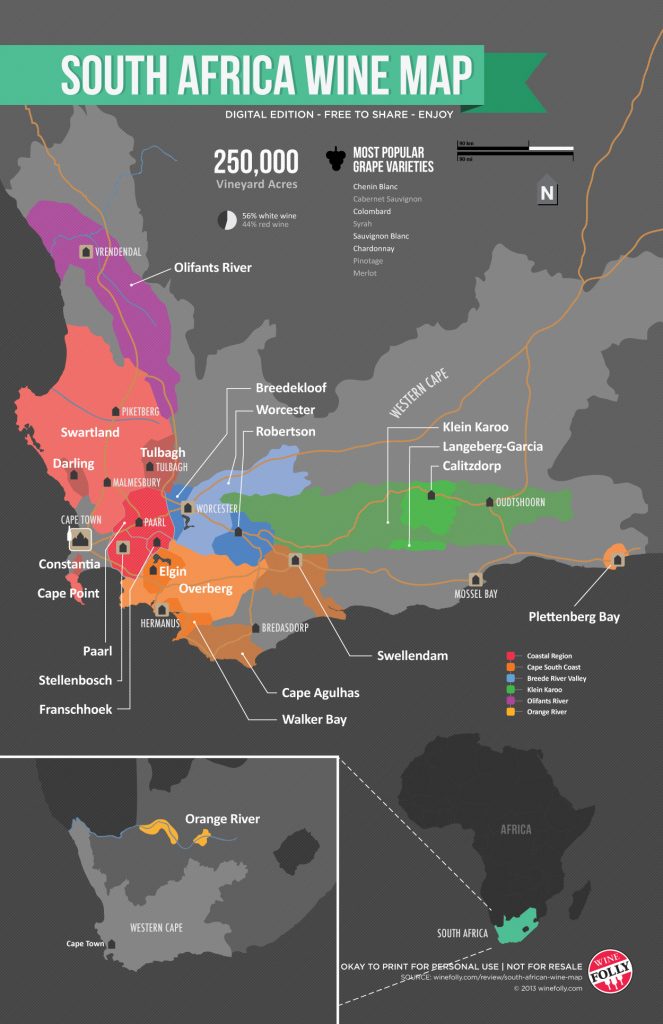
South Africa Wine Regions
Source: https://winefolly.com/deep-dive/south-african-wine-map/

Our notes on the bars, wineries, and other touristic spots we had the chance to visit (Click to add to Google Maps):

Ferrymans Irish Tavern

After an exhausting first day of sightseeing, the answer to our question to the local tour guide about where we could drink wine nearby turned out to be an Irish Pub. We went there quite surprised, and when we saw 28 different wines by the glass on the menu, we were absolutely stunned. Right after that, our assumption of "They must have put all these varieties on the menu but will probably say they're out when you order" was permanently shattered when every single order we placed was met with a positive response.

From the very first bar we visited in South Africa, we drew a very clear conclusion: they really care about wine in this country.

At least 3 different by-the-glass options from each grape variety

We definitely recommend stopping by this bar located in the Waterfront area of Cape Town if you need a break while exploring the neighborhood.

Openwine

Openwine was the first wine bar we visited in Cape Town. This tiny wine bar, which has live music on some days, was exactly the kind of local spot we were looking for. The staff was very attentive, and the atmosphere was great fun.

Besides by-the-glass options, it's also possible to go with a tasting set. The 4-wine tasting set costs 13.5 USD. Their menus change every week. On the day we went, the tasting menu featured single varietal Chenin Blanc, Chardonnay, Merlot, and Cabernet Sauvignon from different producers.

Our biggest disappointment with the place was that they had run out of Pinotage and Cape Blend due to high demand. Our greatest expectation from a wine bar in South Africa was to drink unlimited Pinotage 🙂

Even though we had made a reservation, we couldn't find a place to sit, but since the turnover was very fast, we managed to find ourselves a table after standing around for about half an hour. The place is so warm and welcoming that it's perfectly possible to have a great time standing the whole time.

Whether for the live music or the local vibe, we definitely recommend spending an evening at this place while in Cape Town.

Fairview Wine & Cheese

This historic estate, which produced its first wines in 1699, was the first wine producer we visited in the Stellenbosch region. We were enchanted by the atmosphere from the moment we walked through the door, and with the quality of both its wines and cheeses, it became our favorite spot throughout the entire trip.

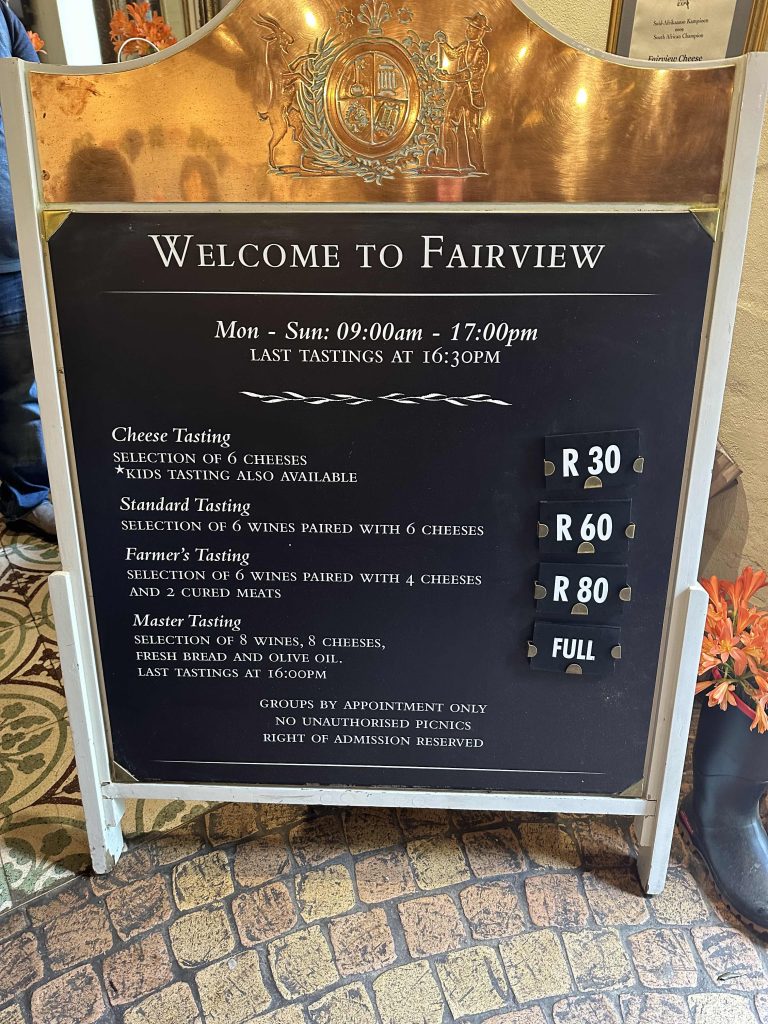
Among the different tasting options available at this producer, our choice was the 6-wine tasting set, each paired with a different cheese. The cost for this set was just 3 USD.

Different tasting options at Fairview

After choosing the tasting set, for each glass of wine you are offered two different options, and you can select whichever appeals to you more:

1- Chenin Blanc or Riesling
2- Viognier or White Blend
3- Rosé or Chardonnay
4- Grenache Noir or Pinot Noir
5- Shiraz or Red Blend
6- Cabernet Sauvignon or Premium Shiraz

While we found their whites average aside from the Chardonnay, we absolutely loved their reds. In particular, the Pinotage and Grenache Noir single varietals, despite being young, had an excellent aroma profile. We finished with a 2009 vintage Shiraz. This wine, where tertiary aromas like mushroom, earth, and forest floor were abundantly present, was truly incredible. You can imagine the shock we experienced when we learned that the retail price was just 14 dollars 🙂

Their cheeses were just as delicious as their wines. Even though we were just at the beginning of our trip, we couldn't help ourselves and bought a whole bunch of charcuterie products, accepting the risk of carrying them with us for over 10 days 🙂

After adding this place, which is the very definition of price/performance, to our list of places to definitely revisit in the future, we continued our trip.

We went to this place without a reservation, and since it's quite large, it seems suitable for walk-ins. However, considering the distance you need to travel to get there, if you don't want to take the risk, it would be beneficial to make a reservation in advance.

Stellenbosch Wine Bar

This tiny wine house located in the town center of Stellenbosch offers the products of 6 different wine brands, available both by the glass and by the bottle.

While this wine house doesn't have a tasting set, it has wines at every price point, with a total of 28 different wine options.

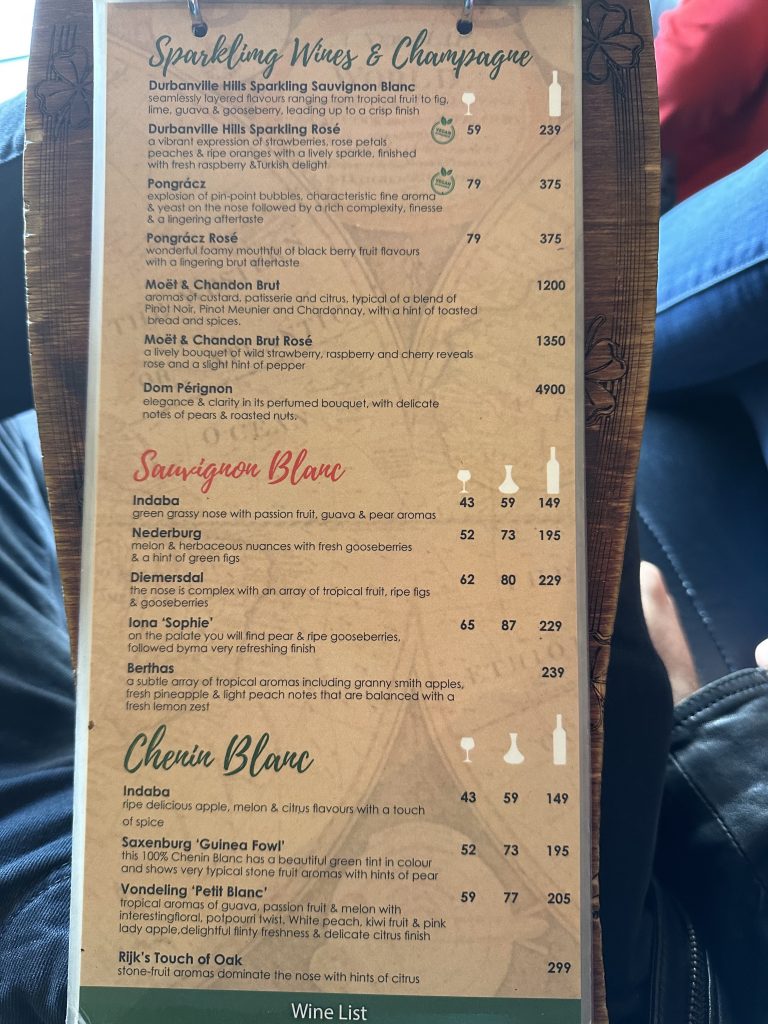
Current menu as of October 2023 - Stellenbosch Wine Bar

In order to make the most of our limited time, we chose to go with Donkiesbaai's wines by the glass. Since it was rainy, we had to sit indoors, and the only problem we experienced at this place was the strong food smell coming from the kitchen. However, they won us over with the courtesy and attentiveness of the staff and the fine wine selection.

Our favorite among the wines we tried was definitely the sweet wine made from late harvest Chenin Blanc. As wine lovers who don't normally prefer sweet wines, we absolutely loved this wine.

If you're visiting the Stellenbosch town center as a tourist, we definitely recommend not skipping this place.

The Bailey

This restaurant in central Cape Town has a bar with a very high-quality wine selection that can serve as an alternative visit. At the bar, you can chat about wine with the sommeliers while sipping from the 16 different by-the-glass options.

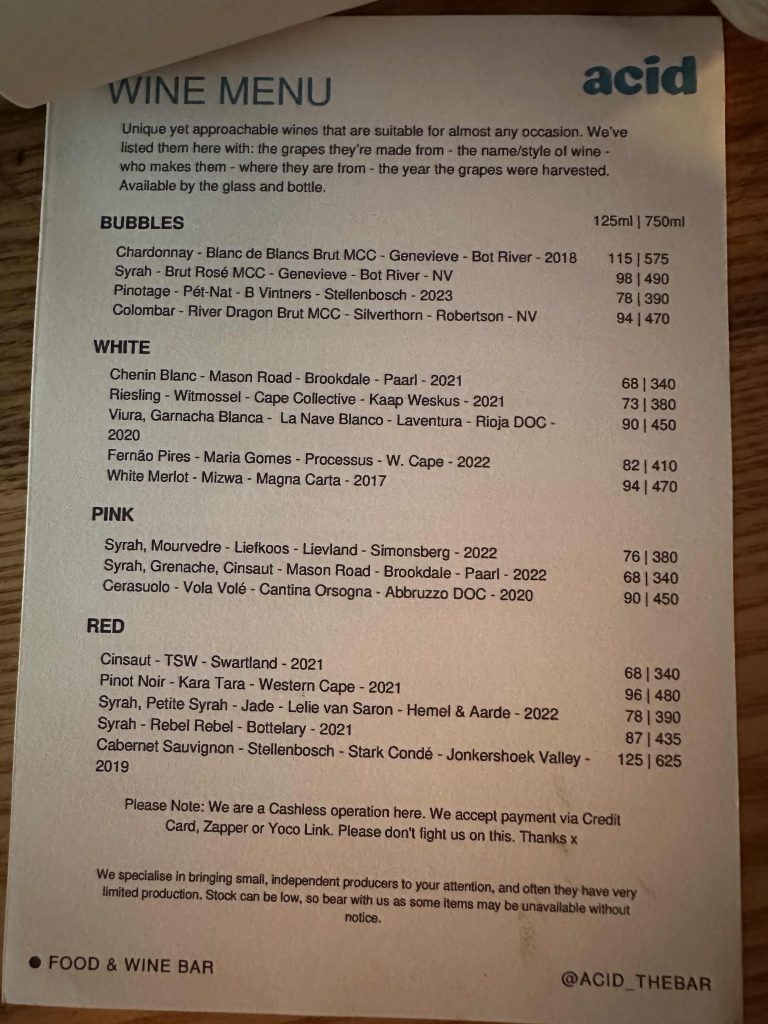
Current menu as of October 2023 - The Bailey

What we liked most about the place was their professional approach to wine. Especially for full-bodied reds, even when you order by the glass, they never skip decanting before serving. We especially loved their single-serve decanters 🙂

A glass of red wine served after decanting

If you're spending a day in the city and want to try by-the-glass wines from a different selection, The Bailey's bar is perfect for that.

Gerakaris Family Wines

The most notable feature of this small winery, which we had the chance to visit during our Johannesburg trip, is that it's the only producer in Johannesburg. Although they bring their grapes from the Cape Town region, the entire production process takes place at their tiny winery in Johannesburg. This boutique winery, which produces only 5,000 bottles, felt like an oasis in the desert to us, especially because of the greenery of the venue and its surroundings, within a city like Johannesburg that is mostly unsafe and built around visiting malls. And perhaps for that reason, we particularly enjoyed our visit.

We recommend visiting this producer, who makes their wines without using commercial yeast, even just to taste their different wine styles and get some fresh air, without expecting too much. The venue is only open until 5:00 PM. It wasn't crowded when we went, but they still ask you to make a reservation for preparation purposes.

Acid Food & Wine Bar

Our last wine stop on our Africa trip was Acid Food & Wine Bar in Johannesburg. We found this venue, which has a chef's restaurant concept, quite original with its wine concept featuring wines produced in different styles selected from across South Africa. While some dishes were very delicious, the flavors of some were a bit bold 🙂

We found the wine bar truly impressive with its 17 types of quite delicious and original by-the-glass wines on the menu. We had the opportunity to try wines made in unusual styles, such as a Pét-Nat made as white from the Pinotage (red) grape, and a single varietal white Merlot aged for 7 years.

Current menu as of October 2023 - Acid Food & Wine Bar

We were pleased with all the wines we tried at this wine house, and we definitely recommend visiting for a dinner during your trip to the area. Even though our visit was on a weekday, it was very crowded, so we recommend making a reservation.

Star of the night: White Pinotage Pét-Nat!

General Comments and Notes

  • South Africa has a richness where you can find any style of wine you're looking for. Since production is very high, if you want to drink quality wines, you need to spend a bit more by staying slightly away from mass-produced wines. Still, the prices you'll pay are really cheap relative to the quality when compared to Turkey.
  • Pinotage is a very different grape in terms of flavor. It has a characteristic that can be easily identified in a blind tasting. You should try it plenty.
  • In all the white wines we tried, we detected a slight saltiness, and in the reds, a gunpowder or brick-like taste. This was the most original characteristic unique to South Africa.
  • Chenin Blanc is the most widely produced white grape in the country. While its normally vinified version is also good, we especially loved its sweet wines made as late harvest. Although they generally sell them without any aging, as sweet wines they are on par with Tokaji Aszú.
  • The Method Cap Classique label is given to their sparkling wines made using the traditional method. While it may not match the performance of the Champagne region, they are quite delicious for their price and quite original with the salty sensation they leave on the palate.
  • You can find aged Shiraz wines from many brands at very affordable prices in supermarkets. You can find opportunities to buy a beautifully aged Shiraz with a 2012 vintage and a Vivino rating of 4+ for just 20 USD. In order to see the true Shiraz potential of this country, choices should definitely be made in favor of aged wines.
  • One of the most unique things about South Africa for us was having the opportunity to taste the 2023 vintage whites and reds within the 2023 calendar year 🙂 normally this isn't possible in our country since we're in the northern hemisphere, but for South Africa, which harvests around March, this becomes possible toward the end of the year. This was a detail that put a smile on our faces 🙂

Favorite Wines

Throughout our South Africa trip, we had the opportunity to taste many wines produced from different regions and with different techniques. Our favorites among the wines that truly won our hearts, especially with their price/quality performance: 

  1. Fairview, Shiraz, 2009, Red, South Africa, Coastal Region: Tertiary aromas are incredibly dominant on the nose. Mushroom, forest floor, smoked meat. Excellent dark fruits in the background. It's possible to intensely feel the same aromas on the palate. The gunpowder aroma characteristic of South African wines is present, but in this wine it has become very subtle and added a deep complexity. Tannins are soft. It has seen its highest peak and should be consumed now. 7.85/10
  2. Donkiesbaai, Hooiwin, Chenin Blanc, 2022, White-Sweet, South Africa, Stellenbosch: High aroma intensity on the nose. Quince dessert, sweet spices, pear, slightly sugary scents. Full-bodied on the palate with a long finish, the sugar level is perfectly calibrated, the balance is superb. On the palate, it's possible to feel linden honey, flower honey, and pine honey all at the same time. A very successful example of a sweet wine. 7.5/10
  3. B Vintners, Methodo Ancestrale, Pinotage, 2023, Pét-Nat Sparkling Wine, South Africa, Stellenbosch: Bread, seaweed, salty, mineral on the nose. None of the unpleasant fermentation aromas typically found on the first opening of Pét-Nats. Very lively on the palate, the saltiness and effervescence pair beautifully. High acidity, well-balanced. The Pinotage grape suits the sparkling style very well. 7.45/10
  4. Fairview, Primo, Pinotage, 2021, Red, South Africa, Paarl: Cherry, vanilla, oak, aromas between red and dark fruits on the nose. Tannins are noticeable on the palate but balanced, a young and vibrant wine. South Africa's gunpowdery flavors are present, but this Pinotage handles it very well. 7.40/10
  5. Vilafonte, Seriously Old Dirt, Cabernet Sauvignon, Cabernet Franc, Malbec, Merlot, 2021, Red, South Africa, Paarl: Color is deep garnet. Cassis, menthol, and dark fruits dominant on the nose. Excellent body on the palate, high acidity and tannins but tannins are not angular. High aroma profile. Again, the regional gunpowder taste and aroma suit it very well. 7.35/10
  6. Stark-Conde, Cabernet Sauvignon, 2019, Red, South Africa, Stellenbosch: Color is deep garnet. High aroma intensity on the nose. Blackcurrant, dark fruits, smoky aromas. Same aromas present on the palate, full-bodied. Could become much better with a bit more aging. 7.35/10
  7. Magna Carta, Mizwa, White Merlot, 2017, White, South Africa, Stellenbosch: Very intense aromas on the nose. Mushroom, mold, Roquefort. Completely mushroom aromas on the palate, very high aroma intensity, like a mushroom dish. A very original flavor. A somewhat bold wine to drink on its own, but it can be elevated to its peak with food pairing. 7.30/10

Greek Islands Wines & Wineries (Crete, Santorini, Mykonos, Milos) (Greece)

As our Greek Islands Cruise Tour, which we had planned months in advance, was approaching, the only topic we were researching like crazy was: Greek Wines! The wines we had recently had the chance to taste in both Drama and Chios had gotten us more than excited for our trip.

Wine Regions of Greece
Source: https://winefolly.com/deep-dive/the-wine-regions-of-greece-map/

Our only problem was choosing which wineries to visit in our limited time, especially since Crete and Santorini had a great number of wineries. Based on criteria such as accessibility to the ship and tourist areas, quality, and proximity to other wineries, we decided to visit 2 wineries in Crete and 3 in Santorini. The Mykonos and Milos parts turned out to be full of surprises, both positive and negative 🙂

Our cruise excitement (Kusadasi)

Notes we took about the wineries we had the chance to visit and other touristic points of interest (click to add to Google Maps):

Crete

Crete, with its 8,450 km2 surface area, is the largest island of Greece. Standing out with its olive trees, vineyards, rich cuisine and turquoise coves, one day is definitely not enough for this island. That is why we only focused on the wines of the island. Ships also dock at the port of Heraklion, the capital of this island. Unfortunately, there are no wineries in this small city, which can be covered in 1 to 2 hours in terms of touristic and historical sightseeing. You need to drive 20 to 30 minutes to get to the nearest winery. Since public transportation is not very common in these areas, it is possible to resort to solutions like car rental or taxis. Since our time in Crete was limited, after some hard bargaining with a taxi driver, we agreed on him accompanying us for the whole day for 100 EUR.

Cretan wineries are spread across a very wide geography

Lyrarakis Winery: They have an online menu on their own website, with both tasting and price details for all the different options. You can also make an online reservation, but if you show up at the door, they can also accommodate you depending on availability. As a couple, we shared the 7 wine tasting. Their single glass pour ratios are more than 5 cl, so it is more than enough. The staff are very warm, the atmosphere is quite pleasant, and the wines are truly very original. Lyrarakis saved two different white grapes called Plyto and Dafni from extinction, and they currently produce both as single varietals. Dafni in particular has a very unique flavor; you might suddenly feel like you are drinking a basil and rosemary essence. Their overall wine flavor performance is very good, and it is definitely worth stopping by if you are in the area. When we mentioned that we prefer red wine more, they swapped a sparkling wine, which was the 7th wine of the tasting, for a different red wine. As our conversation with the team got deeper and they asked where we were from, upon hearing the answer Turkey, they immediately brought out Kuzubag's Calkarasi wine 🙂 We had the chance to have a very enjoyable and informative conversation about the shared grape Liatiko/Calkarasi. We can say it was one of the places we were most satisfied with throughout our entire trip.

Flags are up 🇹🇷

Domaine Paterianakis: Just like Lyrarakis, this place also has an online menu on their own website, with both tasting and price details for all the different options. You can also make an online reservation. It was relatively less crowded compared to Lyrarakis, so you do not need to make an online reservation for this one.

One of the biggest features of Paterianakis is that they practice organic farming. Before the tasting, they bring various herbs piece by piece (thyme, rosemary, mint) and specifically have you smell them and ask you questions, so you can understand how much of these you pick up in the wines. They say that since there are a lot of bees in the area, these aromas transfer heavily into their wines. And indeed, especially in the first Thrapsathiri and Sauvignon Blanc blend we tasted, we pick up these aromas intensely.

Paterianakis's white wines are truly very good. We especially liked their Moschato Spinas, a local grape from the Muscat family, so much that we bought some to take with us. In addition to the classic aromatic spring flowers and tropical fruits, it is possible to feel the aroma harmony of the thyme, rosemary and mint flowers found in the region in every sip. We also did not miss tasting the grape raki made from various grapes that was offered as a complimentary pour 🙂 Their reds, however, still have some way to go. You can make your choices from the whites.

Santorini

Santorini's settlements are positioned 400 m above sea level. This island, formed as a result of a massive volcanic eruption 500 years ago, has incredible views. The wineries have also made the most of these views 🙂 Some wineries in particular have become a stop even for tourists who have no interest in wine at all, purely because of the scenery. This was the route we had the hardest time with since there were so many quality options. Due to ease of access, we decided to go with the 3 highest rated producers in the Pyrgos area. Santorini, like Crete, is an island lacking public transportation. If you are not renting a car, you are at the mercy of taxi drivers. Because of this, choosing producers within walking distance of each other can turn into an extra advantage for car free travelers. The fact that the roads are not suitable for bicycles also significantly limits transportation alternatives.

The most original aspect of Santorini regarding wine is definitely the shape of its vines. Since the island receives very strong winds year round, they shape the vines into a ring form from the very first moment of growth so they are better protected. This creates a very beautiful vine appearance. The name of this special method is Kouloura.

A ring shaped, old Santorini vine

Santo Wines: They have tasting menus with different contents in sets of 4, 5, 6, and 8, allowing you to choose one according to your preferences. Since we wanted to taste their higher tier wines, we got the 5 wine premium set for 35 EUR and shared it as a couple. Since they pour generously, one tasting set was enough for a couple. Santo, one of the oldest wineries on the island, definitely has an enchanting view. Even if we were not satisfied with the wines, it would still be a place we would definitely recommend, and the premium tasting set did satisfy us. At this winery where we had the chance to taste 3 different Assyrtiko wines, 1 red, and 1 Vinsanto (a sweet wine unique to Santorini made from Assyrtiko), we were more than surprised by the Assyrtiko wines in particular. We found the Santorini Assyrtikos, which we expected to be more mineral due to the soil structure, to be much more acidic and less mineral compared to Crete. The fact that such beautifully full bodied wines are being made from a local white grape absolutely delighted us.

Premium tasting set

Venetsanos Winery: Venetsanos, a cave style winery, is located within a 10 to 15 minute walking distance from Santo Winery. Although the walking path is not very comfortable, the views are absolutely spectacular. Santorini in general is designed around car transportation. We still preferred to walk.

This place was a bit more expensive compared to Santo Wines. Tasting sets were 32 EUR for the 4 wine set, 39 for the 6 wine set, and 41 EUR for the 6 wine sweet wine version. Although we found 3 of the 4 wines we drank to be average, we found the rose wine made from the local grapes Assyrtiko (white) and Mandilari (red) to be very original. The blend of grapes of different colors, which we first encountered in France with Viognier and Syrah grapes, earned a passing grade from us in Greece as well, with the selection of 2 very harmonious and balancing grape varieties.

Exterior view of Venetsanos, designed as a cave winery
The magnificent view from Venetsanos

Boutari Winery: This producer, which has wineries in 6 different regions across Greece, stands out at its Santorini branch with its award winning architectural design. At this producer where you can also taste wines produced in different regions alongside the Santorini terroir in their tasting menu, the wine quality is what truly sets them apart.

There are different tasting prices available; the 4 wine set is 20 EUR, the 6 wine premium set is 28 EUR, and we went with the 6 wine set. You can choose the ones you want to taste from among 9 wines. We went without a reservation, and they accepted us since there was availability, but we can say we got a bit of a lecture from the tasting lady about how lucky we were 🙂 If you have the chance, we recommend going with a reservation.

In terms of overall value for money, Boutari was the place where we found the wines most successful. Although not from this region, the 2017 vintage wine called 1879 Boutari Legacy from the Naoussa region, which we had the chance to taste, entered our notes as one of the most successful reds we have had in recent years. If you are in the area, this will definitely be the place we recommend most.

Mykonos

Finding two wine producers on this island, famous for its nightlife in Greece, was one of the best surprises of our trip. On this island where no winery showed up in our Google searches, it turns out there are 2 places producing under the name of farm. We had the chance to visit a producer that practices biodynamic farming. The transportation problem we experienced on other Greek Islands was also present here, and we were only able to reach the winery by arranging a taxi.

Mykonos Vioma Organic Farm: Vioma is a quite humble producer. It was established on a vineyard area that formerly belonged to a monastery but was later abandoned. They utilized biodynamic farming methods to bring the vineyard to its current state. To protect themselves from the island's never ending winds, they used bamboo trees planted around the vineyard. Before going, you can make a reservation for both wine tasting and a winery and vineyard tour through their website. The 20 euro fee includes 4 wines and a vineyard tour. Being a quite different winery where you can only taste local Greek grapes, it definitely added color to our Mykonos visit.

Milos

Milos was an island where we found peace, giving the feel of a quiet fishing town. The excessive tourist crowds of other islands are absent on this one. Therefore, it is an island built around a more relaxed time and a beach holiday.

Milos is home to 1 winery. However, unlike the usual tasting hours, the tasting hours were between 5 PM and 9 PM. Since these hours did not fit our cruise schedule, unfortunately we did not get the chance to visit and taste. Let us leave below some information about this winery, which you can reach by taxi from the town center for 30 euros.

Kostantakis Winery: Kostantakis Winery, the oldest and still the only active winery established in Milos, continues production with its 3rd generation. You can find information about this cave style winery, designed to take advantage of the volcanic soil structure, and its tasting menu on their website. The winery also offers accommodation options.

Unfortunately, it was also not possible to access the by the glass wines of this winery, whose tasting we could not do, at different venues. After asking at least 10 to 15 different venues with no luck, we bought their wines from a wine shop in central Milos to try at home. Having had the chance to taste 3 different wines of this winery at home, we found their products to be average overall.

Due to the volcanic structure in Milos, there are many caves
Sarakiniko Beach, a must visit place in Milos

General Comments and Notes

  • It is believed that the Liatiko grape and the grape we know as Calkarasi are the same, only their names have been localized to their respective regions. We quite liked the red Liatiko made from old vines that we drank at Lyrarakis, but its overall structure was quite different from the Calkarasi examples we have had in Turkey.
  • Mandilari is a grape with a lot of promise. Quality versions should be tasted in many different regions.
  • Overall, all producers have embraced their local grapes. The number of international grape varieties we tasted was very few. There is a lot we can learn from as a country 🙂
  • Interestingly, the Assyrtiko wines we drank in Crete were more mineral than the ones we drank in Santorini. The Santorini Assyrtikos were much more acidic. While on paper we would have expected the opposite, this experience surprised us a bit.
  • The rose wine made from a blend of Mandilari and Assyrtiko impressed us quite a lot. It is worth trying similar works coming from the region.
  • Santorini's reds did not appeal to us very much. They are good with whites and roses, but to enjoy their reds, you need to get used to their different styles a bit.
  • Although not from these islands, among the other wines we drank during our trip, our favorite white grape was Malagousia, and for reds it was Xinomavro from the Naoussa Region. The same grapes from different regions should be tasted in abundance whenever encountered. We quite liked Xinomavro both as a rose and as a red.
  • Vinsanto wines are a very nice alternative for those who love sweet wines. As a couple who does not prefer sweet wines very much, we liked all the Vinsantos we drank. We found the flavors of the aged versions to be much more settled. We especially loved a 2002 vintage Vinsanto we drank. Older vintages should be sought out and tried whenever possible.
  • Vinsanto is apparently an abbreviation of Wine of Santorini. We noted this as a nice piece of additional information.
  • On the island of Crete, every family apparently has their own amount of olive trees, and everyone living on the island has their olive oil pressed from their own olives. The boutique olive oil factory Kleanthi, which we had the chance to visit during our trip, produces its own olive oil and also helps people press the olives they bring in. If you want to try Cretan olive oils, you can stop by; it is on the wine route.

Favorite Wines

Since we had the chance to drink many wines both from within the region and from different regions during our Greece trip, we decided to make 2 separate lists, one for the region and one for outside.

Crete, Santorini, Mykonos, Milos:

  1. Boutari, Vinsanto (12 years aged), Assyrtiko, Aidani, 2002, White/Sweet, Greece, Santorini: Nose has magnificent caramel, honey, sweet aromas, vanilla, dried tobacco; palate is lightly acidic and rich on the palate. A wonderful wine. 7.5/10
  2. Domaine Paterianakis, Moschato Spinas, 2022, White, Greece, Crete: Spring flowers, honeysuckle, jasmine on the nose. Same flavors on the palate. It has an oily texture on the palate, quite full. The combination of acidity and fullness adds a nice dimension. Long finish. A very aromatic, beautiful white wine. 7.5/10
  3. Boutari, Kallisti Reserve, Assyrtiko, 2020, White, Greece, Santorini: Nose is extremely mineral, with fresh hazelnut and smoky vanilla aromas from the oak; palate is very smooth, then acidity comes through. The harmony of acidity with the wine's complexity works well; the acidity does not overpower. Nice complexity, oily, long finish, with a sweet minerality as well. It was the most successful Assyrtiko we drank during the trip. 7.4/10
  4. Lyrarakis, Plakoura Vineyard, Mandilari, 2018, Red, Greece, Crete: Oak is felt on the nose. Ripe cherry, some dark fruits, a bit of spice. High acidity, tannins are strong on the palate but not angular. Could be magnificent after 10 more years of aging. 7.3/10
  5. Venetsanos, Anagallis, Mandilaria, Assyrtiko, Aidani, 2022, Rose, Greece, Santorini: Peach, strawberry, various fruits on the nose, rich. Same aromas on the palate. Very slightly sweet, strong acidity. On the nose you can feel the effect of white grapes, on the palate the red grapes. An original flavor. 7.25/10
  6. Lyrarakis, Psaredes Vineyard, Dafni, 2022, White, Greece, Crete: Fresh green herb aromas. Bay leaf, basil, rosemary. Same aromas on the palate, especially basil is dominant. Nice lemon aromas follow. Persistent, high profile. High acidity, medium body. A very original flavor. Similar in concept to Gordias Winery's Feslegen grape but definitely very different in flavor. 7.25/10

Other Regions:

  1. Boutari, 1879 Boutari Legacy, Xinomavro, 2017,  Red, Greece, Naoussa: On the nose there is a tomato paste aroma coming from the back, which the producer also emphasized. Ripe dark fruits are nicely blended with oak. Tannins are felt on the palate, slightly angular. Has the potential to be incredible with a bit more aging. Even in its current state, it is sufficiently balanced. Aromas explode on the palate. 7.75/10
  2. Boutari, Domaine Roxane Matsa, Malagousia, 2022, White, Greece, Attiki: Floral on the nose, wet stone aroma coming from the background, high aroma profile. Very smooth on the palate, medium acidity. Nice balance, medium to long finish. We really liked the drinking experience. 7.5/10
  3. Alpha Estate, Xinomavro Hedgehog Vineyard, Xinomavro, 2020, Red, Greece, Amyndeon: Color is a light to dark red. Fresh red fruits, black olive on the nose. Very lively on the palate, a slightly bitter finish, tannins are felt, strong acidity, although the body comes across as light, it is a nice wine. 7.25/10

Melnik Vineyard Route & Bulgarian Wines - Part 1

Melnik is a tiny town with a population of only 300, located in the Struma Valley in southwestern Bulgaria, which we could describe as Bulgaria's equivalent of Sirince. The most notable feature of this town, where you'd find more people per randomly selected square meter in Istanbul, is that the surrounding region has a very suitable microclimate and soil structure for viticulture.

Bulgarian wine regions (Melnik, 2nd under Struma Valley)
Source: https://vineyards.com/wine-map/bulgaria

While the Melnik region had focused on what we could only describe as simple table wines for many years, especially in recent years, with incentives from the European Union, it has acquired many chateau-style production wineries. During our 2 trips to this region in 2022 and 2023, we had the chance to discover the region's touristic richness while also tasting its beautiful wines. One of the biggest advantages for us was that wine prices in the region were more affordable compared to both Turkish and European standards. The existence of many different grape varieties unique to the region also greatly attracted us.

Let's also add as a rather interesting historical fact that Melnik wines were a favorite of former British Prime Minister Winston Churchill. 🙂

This region, located only 4 hours and 30 minutes from the Ipsala Border Crossing, is home to more than 20 wineries.

Here are our notes on the wineries we had the chance to visit and the region's natural beauties (Click to add to Google Maps):

Rupel Winery

Wine tasting is free, but you need to make a reservation before going. We went without a reservation, but luckily they were already conducting a tasting for a different group and accepted us as well. You can taste all the wines they have open. The reds we had the chance to taste were generally aged between 5-8 years, and their prices were quite affordable for their quality. The whites, however, weren't performing very well. Our general recommendation would be, if you have enough time in the region, to stop by as a secondary priority and focus mainly on the reds.

Posing like we own the place
Rupel Winery's modest tasting bar

Orbelus Winery

With its building designed in the shape of a wine barrel, Orbelus is definitely one of the most interesting wineries on the Melnik Vineyard Route. Unfortunately, this winery doesn't offer English wine tasting commentary, but at least they have an English menu so we can choose the tasting we want. Options include a 3-wine tasting for 7 EUR, 4-wine tasting for 8 EUR, and 5-wine tasting for 11 EUR; the price includes a winery tour, though again without English commentary 🙂 If you choose the 5-wine tasting, you can also select from their higher-tier wines. One of the best things about tasting here is that they let you completely choose which wines you want to taste. Thanks to this option, you can customize your tasting according to your personal curiosity and preferences. Having first visited Orbelus in 2022, it didn't disappoint us on our 2023 visit either. While our 2022 tasting set primarily featured the 2015-2016 vintages, in 2023 we decided to go a bit wild and opted for older vintages, tasting from 2013-2014. Compared to our tastings from the previous year (2015-2016), we found the wines from older vintages (2013-2014) to have slightly passed their prime. Therefore, when putting together your tasting set, we recommend creating a mixed set with newer vintages rather than selecting the oldest ones. When comparing prices with other wineries in the region, Orbelus stands out as the winery with the best price-to-performance ratio.

Zlaten Rozhen Winery

One of the largest producers in the region, with a classic car museum next to the winery. Their tasting menus range from a 3-wine tasting for 7 EUR to a 5-wine tasting for 9 EUR; if you combine the tasting with the car museum visit, prices become more affordable. Since our time was limited, we couldn't visit the car museum. We really liked their wines, and visiting this producer again on our next trip to also see the car museum is definitely in our plans. Unlike the first 2 wineries we visited, their tasting menu features newer vintage and more affordable wines. Despite this, we found the overall flavor performance of their wines to be high. We especially loved their white wine made from Sandanski Misket and the rose wines made from Shiroka Melnishka, the local grape of the Melnik region. The strong performance of their affordable wines definitely gives courage to try their premium wines as well.

Villa Melnik

A very enjoyable winery where you can have both the tasting and winery tour in English. We paid 10 EUR per person for a 5-wine tasting and winery tour. Although it looks quite modest from the outside, in terms of content, Villa Melnik was definitely the most original, and in terms of presentation, the place we were most satisfied with. In the winery's technical design, they've tried to make the most of the ground level differences and gravity. Their natural underground cellars are absolutely magnificent, truly breathtaking. We can say we had the most original wines from the Melnik region here. They have a premium series called Rare Varieties where they process the original grapes of the Melnik region as single varietals. We had the chance to taste one in the tasting menu, and it became one of our most liked wines throughout our entire Melnik adventure. What impressed us most at this winery was definitely the attention and care of the tasting expert. By understanding which grape varieties interested us most from the questions we asked during the winery tour, they created a special tasting set for us. Additionally, they offered us the rose wine for free as an extra, increasing our wine tasting set to 6, fulfilling our desire to try a different wine instead of rose. With both the enchanting atmosphere of its cellar and the professionalism of the tasting, Villa Melnik was the place we left happiest.

Baba Vanga's Grave

In our search for touristic activities in the region, the complex housing Baba Vanga's grave and the house she used to live in always came up first. When we looked at its photos on Google Maps, it didn't look very appealing, but since 1,500 people had given it a 4.8+ rating, we decided to give it a chance. Despite going with prejudice due to comments mostly like "a very spiritual area, very high energy," we left this place feeling peaceful. As a couple who doesn't really believe in cosmic energy and such, we quite enjoyed every moment of our tour starting from the moment we parked the car. We noted it as a place that everyone passing through the region should visit without prejudice. The biggest contribution of this place to us was the homemade fruit wines made by street vendors located just before the entrance to the complex. While we were amazed by the flavor of the wines we tried, we didn't forget to take home our favorite wine, the fig wine. You never know where great wine will come from 🙂

Can't leave without kissing Baba Vanga's hand
Owners of the place, vol 3
The amazing fig wine, 3rd in line

Melnik Town Center

Melnik is known as Bulgaria's smallest town. It felt like a miniature version of Sirince to us. In this tiny town of approximately 300 people, there are many historical artifacts and traditional historic houses from the Ottoman period. When you've come to the wine route, you can't leave without visiting this tiny town. It's also possible to taste wines at the shops selling wine, but the ones offered for free tasting are generally at table wine level. Although we couldn't visit the Kordopulov House and its cellars on this trip, we've already added it to our list for our next visit.

Our first visit to Melnik, June 2018

General Comments and Notes

Our general observations and different insights about Melnik wines:

  • The Sandanski Misket grape is similar in style to our Bornova Misketi. We liked it a lot at every place we tasted. It was the white grape that appealed to us the most in the region.
  • As a couple who normally doesn't love rose wine, we fell in love with the rose wines made from Shiroka Melnishka at 2 different wineries. It has elegant aromas on the nose and quite rich aromas on the palate. This grape should definitely be processed for this purpose. Since these were the last 2 wineries we visited, we couldn't try different examples, but we've noted to taste similar ones on our future trips.
  • Many sub-clones have been produced by crossbreeding from the Shiroka Melnishka (Broad-leaved Melnik) grape unique to the Melnik region. For example, the Melnik 82 grape was created through crossbreeding with Cabernet Sauvignon. There are a total of 6 different varieties. There's a whole different world waiting to be discovered.
The Melnik Grape Family Tree Blend, with all varieties from the Melnik region on its label
  • Although the Mavrud grape is common in Bulgaria, only one winery in this region processes it, and they made the decision to process it because of a very specific compatibility in the parcel they work with. However, Mavrud is definitely more successful in its own region.
  • There are wines with various fancy bottles sold in markets, shaped like cups and other forms. It's purely a marketing tactic, with terrible wines inside. You can buy it for the bottle if you want, but definitely skip what's inside 🙂
When you see this bottle, run without looking back; the dog that drank this died
  • In Melnik, whites have traditionally always been made as orange wine. Villa Melnik has continued this tradition and started producing wines in the same style for several years. Over time, feedback from tourists visiting the region indicated that these wines were too harsh for regular drinking. Villa Melnik's oenologist then softened this style in newer vintages. Although we were quite curious about the mentioned harshness in older vintages, experiencing the harshness in the newer vintages was more than enough for us. 🙂

Favorite Wines

Our most favorite wines were:

  1. Zlaten Rozhen, Sandanski Misket, 2022, White: Spring flowers from the Muscat grape are prominent on the nose. The same aroma profile on the palate, complemented with high alcohol and acidity. A balanced and beautiful white. 7.5
  2. Villa Melnik, Rare Varieties, Melnik 82, 2019, Red: Despite being young, this was definitely the best Melnik clone example we tasted. A wine with high fruitiness, noticeable tannins, and a strong palate. Black fruits, dark chocolate, and the elegant touch of Bulgarian oak barrel are very impressive. We would very much like to taste it again after a few years. 7.4
  3. Orbelus, Prima, Merlot, Cabernet Sauvignon, Early Melnik, Syrah, 2015, Red: A wine that preserves its fruitiness with an elegant barrel touch, with elegant tannins on the palate. Having different grape varieties has captured complexity on both the nose and palate. 7.3
  4. Zlaten Rozhen, 41 Parallel, Shiroka Melnishka, Mourvedre, 2022, Rose: On the nose, both yellow fruits and rose-like scents. When tasting, the richness of aromas is felt, a rose that lingers on the palate for a long time. 7.3
  5. Bonus: Fig Wine Sold at Baba Vanga Memorial Park Entrance. Whether it's the energy of the place or not, a wonderful, slightly sweet homemade wine that we absolutely loved drinking. 7.5

We really loved this region. It's clear that we'll be visiting it many times in the coming years due to its geopolitical location. Being able to frequently visit a region with such high-quality wines must be a wine-loving couple's good fortune. Until we meet again with more detailed explorations in the coming years, Melnik 🙂

And as we close our article, let's leave you with Baba Vanga's prophecies 🙂 https://www.biyografi.info/kisi/baba-vanga

Budapest Wine Bars & Hungarian Wines

When we planned our 3-day trip to Budapest for the Sziget Music Festival, while thinking about what to do at the festival in the evenings, there was one topic we really wanted to integrate into our daytime city tours: Hungarian Wines! Although we had mostly heard Hungary's name in the wine world through Hungarian oak barrels used as alternatives to American and French barrels, we had never had the chance to do an in-depth research. This was a perfect opportunity for discovery.

Hungarian Wine Regions
Source: https://tastehungary.com/journal/guide-to-hungarian-wine-regions/

Since we planned our trip to be limited to the festival only, we wouldn't have the chance to visit any wine regions. Therefore, we opted for wine bars to taste wines of different grape varieties and production methods in a short time. After a quick search on Google Maps, we couldn't believe our eyes. In terms of wine bar abundance, Budapest was almost on par with Paris.

Budapest Wine Bars
Source: Google Maps

As a result of our research, we selected 5 wine bars that best fit our route (Click to add to Google Maps) and had the chance to try them:

Huncutka Bite and Wine

A bar with a menu predominantly featuring natural wines. Since we didn't have this information beforehand, we approached the wines with hesitation when we arrived, and as we tried them, we realized they didn't really appeal to us. Unless you have a special interest in natural wines, we don't particularly recommend stopping by here. Two out of the 3 wines we tried were excessively vinegary and oxidative. As a couple who doesn't prefer this style of wines, this place didn't appeal to us. There's no tasting set on the menu; you can order wines you choose by the glass. The cost of 10cl glasses is around 4-5 euros on average.

The wines served

Tasting Table Budapest Shop

If you want a guided tasting experience, this place offers English wine tastings by reservation until 6 PM. Since we didn't call ahead and couldn't find detailed information on their website, we missed the opportunity for such a tasting. But if you go without a reservation or after 6 PM, don't worry, you can purchase wine flights by the glass from open bottles. The wine tasting cost varies depending on the number of wines you choose. The person in charge also provides detailed information about the wines you're tasting. We had the chance to taste 5 wines here and we can say we liked all of them. This was our 2nd favorite wine tasting spot in Budapest. Although we didn't note the price and can't remember exactly, what we recall is that it was an affordable amount 🙂

The Hungarian Wine Map drawn on the wall and us

Drop Shop Wine Bar

This establishment only operates as a bar after 5 PM; before 5, they only do retail sales. Since we didn't have this information, we couldn't get a chance to taste.

Tokaj Wine Bar

A place where you can mainly taste Grand Tokaj brand wines by the glass. The biggest difference from other bars is its much more traditional design. Descending via stairs, with stone walls and traditional decoration, it felt like we were taken on a journey through time. The staff is an elderly couple and they are very sweet. Although their English isn't great, they still manage to communicate somehow 🙂 There's no tasting menu, but since the number of wines served by the glass is quite high, you can create your own tasting. Although glasses are listed as 10cl on the menu, if you ask, they can serve 5cl at half the price (provided you can communicate :)). The barrel wines are quite affordable. We chose our wines from bottles. 10cl white wines ranged between 1-2 euros, and 5 Puttonyos Tokaji Aszu was around 6 euros. The wines we tasted were generally good wines. Even if you don't like sweet wines, you should definitely not skip the Tokaji Aszu, which is Hungary's unique style.

Champion Wine Vinarium&Gastro Boutique

This was by far the best wine tasting place we visited. Since we went just 1-2 hours after opening time, they didn't have many open wines, and the owner told us we could choose whichever wines we wanted from the bottles on the shelves. We were actually quite surprised by this; it was the first time we'd seen such a practice. Thanks to them, we had the opportunity to try 3 red wines from between 2011 and 2018. Finally, the owner brought us a 6 Puttonyos Tokaji Aszu, 2002 vintage, from his own uncle. We can say it was the best thing we drank during our entire Budapest trip. They have tasting menus in different formats. We went with 5 regular + 1 Tokaji Aszu, and the total cost was 20 euros.

Our favorite tasting venue, elegantly designed

General Comments and Notes

Our general observations and different insights about Hungarian wines:

  • The most commonly used foreign grape variety as a single varietal is definitely Cabernet Franc. We had never seen any place that makes so much single-varietal Cabernet Franc before. While there are many local white grape varieties, there aren't as many in reds. Whenever we asked any place for a full-bodied red wine, they directly recommended Cabernet Franc.
  • Among the white grapes, our favorite was Irsai Oliver. It's very similar to Muscat, one of our favorites; we could classify it as a slightly more mineral version.
  • Furmint is one of the most common white grapes in the country. Although it's generally used in Aszu wines, we also liked its single-varietal form.
  • Kadarka is the most widely used red winemaking grape in the country. It has so many similarities to Pinot Noir that in a blind tasting, I would definitely say this is a Pinot Noir. It absolutely needs to be tasted and compared side by side.
  • Tokaji Aszu is definitely a wine style that even people who don't like sweet wines will love. Comparing the 2 we tasted, the 2002 6 Puttonyos left a much less sugary taste on the palate compared to the 2014 5 Puttonyos. As it aged, a magnificent maturity had developed. In all Aszus, there's a very subtle off-grape taste coming from botrytis. While this subtle taste can be disturbing in similar wines, it's absolutely not disturbing in these Aszus.
  • The country generally looks like a white grape paradise. All the different white grapes we tried were very original. We tried Arany Sarfeher, Zenit, and Harslevelu as single varietals once each, and we loved the originality of all three. When you taste them, you say this is definitely a different grape. Especially for Arany Sarfeher, even though we asked different places afterwards, we couldn't find another example; apparently it's produced in very small quantities.
  • In general, the reds are much more elegant, medium-bodied wines, ready to drink. The single-varietal Cabernet Franc and Syrah examples we tried were similar in this way, elegant with soft tannins. Even one of the blends presented as the most full-bodied was at a level we would call light.
  • If you don't like natural wines, it's generally best to stay away from natural wines; in the examples we tasted, oxidative notes and vinegar-like character were prominent.

Favorite Wines

Our favorite wines from our 3-day trip were:

  1. Monte Tokaj, Tokaji Aszu 6 Puttonyos, Furmint, 2002, White-Sweet, Hungary, Tokaj: An excellent nose, honey, yellow dried and ripe fruits. The palate is very full and lingering, the sweetness doesn't disturb at all on the palate. Definitely an extraordinary wine. 8/10
  2. Havas & Timar, Franom, Cabernet Franc, 2019, Red, Hungary, Eger: A classic Cabernet Franc on the nose. Black fruits and violet are very noticeable, aromas are intense. On the palate, very elegant, tannins are very soft, oak is noticeable but not dominant. Long finish, high complexity. 7.5/10
  3. Gedeon Birtok, Diofas, Arany Sarfeher, 2020, White, Hungary, Kunsag: On the nose, minerality, yellow fruits, linden honey, and herbal aromas like rosemary and green seaweed. On the palate, very original, linden aroma is dominant. From the first sip, you feel you're drinking a different grape. It has a slight sweetness coming from ripe fruits. Quite balanced, long finish, intense and lingering aromas. 7.5/10

Our overall impression of Hungarian wines is that they are definitely worth trying. There's a whole different world waiting to be discovered within. We definitely intend to repeat this surprise trip in the future.