
Çal Vineyard Route: Türkiye’s Hidden Wine Destination

When we first started this blog, the Çal Vineyard Route was the newest wine route in Türkiye. Later, the Lydia Historical Wine Route was also opened, so it’s no longer the newest — but it remains one of the most exciting wine journeys to explore.

The Çal Vineyard Route (Çal Bağ Yolu) was established in 2022; yet the region’s wine history dates back to ancient times. The area accounts for 40% of Türkiye’s wine production and 20% of its grape cultivation. Vineyards dominate the region’s natural landscape. Along the route, you’ll find both recently founded wineries and third-generation family estates. Here, producers combine traditional and modern wine-making techniques. The wineries use both local and international grape varieties, but one of them is truly special. The area is home to its own indigenous grape variety, Çal Karası, which was overlooked for many years but is now regaining recognition and prestige. Çal Karası, meaning ‘the black grape from Çal,’ has been scientifically proven to be genetically identical to Liatiko from Crete, Greece, thanks to the efforts of wine producer Seyit Karagözoğlu. This discovery could create a new bond between Turkish and Greek wine producers.

Another essential point of the route is that it includes both ancient cities and natural wonders, so one day is not enough to explore them all. After several visits during different seasons, we are here to share all the experiences. Enjoy!

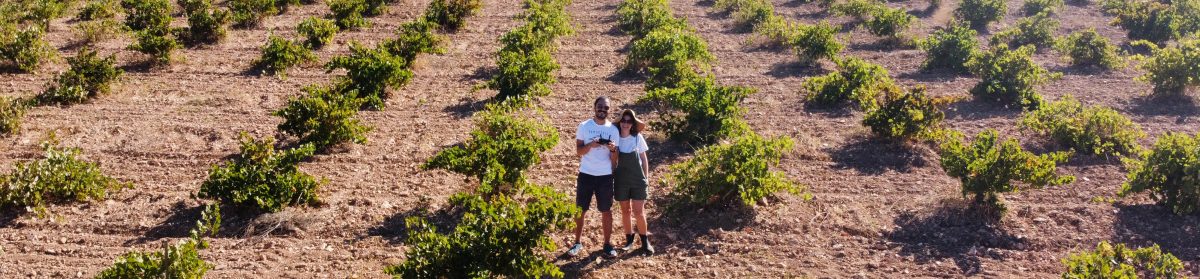
Forced perspective: Çal edition. Gülfiye as Gandalf, Özgür as Frodo 🙂

We planned our trip to include both wineries and tourist attractions (Click to add to the Google Maps).

Çal Vineyard Route
Kaynak: https://www.calbagyolu.com/calbagyolu

Küp Şarapçılık

Küp is not only the largest but also the oldest producer on the route. Its production ranges from table wines to premium wines, and it also offers excellent fruit wines. Established in the 1950s, Küp is now run together by the family’s second and third generations.

Küp has both a historic wine-producing building and a modern, technologically equipped one on the same site. It is highly recommended to tour the old vine factory before wine tasting, as the building is architecturally unique in Türkiye. Visitors can enjoy wine tastings and buy bottles directly, but our experience there was truly special. During our visit with our wine-tasting group, Tadında Dünya, we were offered a special tasting set: a vertical tasting of the Epic series, spanning vintages from 2013 to 2021. We were delighted to have this opportunity—it was an educational and exploratory experience. After all, it’s not possible at every winery to taste library wines like these. Our favorite vintages were 2013 and 2016. Both years had excellent growing seasons, and that quality is clearly reflected in the wines. Detailed tasting notes can be found under the ‘Favorite Wines’ section.

Lermonos Wines

Lermonos is one of the newest producers on the route, drawing its strength from women’s leadership. It features the first restaurant on the route serving local delights and offers both a lovely open terrace overlooking the vines and a cozy indoor space. Recently, Lermonos has operated a guest house, becoming the first accommodation facility on the route.

Lermonos produces its wine from both local and international grape varieties. One of our favorites is Sauvignon Blanc, which shows a beautiful regional character; tasting notes can be found under the ‘Favorite Wines’ section.

Erdel Winery

Erdel Winery is located in Hanchalar village, formerly known as Hancılar (‘innkeepers’ in English), reflecting the area’s historical roots. Established in the 2000s, the winery aims to create more employment opportunities in the village. Erdel is the second-largest producer on the route, offering a wide range of wines, from table wines to fruit wines. The winery is also in the process of opening a new fine-dining restaurant, which will be a significant addition to the route. We had the chance to be the first guests of the restaurant, enjoying its delicious dishes paired with wines.

Kuzubağ Winery

Let us introduce you to the youngest producer on the route, a family-run vineyard, Kuzubağ. Although newly established, the winery is dedicated to producing high-quality wines and experimental series using local grape varieties. In particular, it has a special focus on Çal Karası; producing blanc de noir, red and sweet version of this unique grape. During our visit, we had a chance to taste all of them.

Kuzubağ is located in the heart of its vineyard, giving the wine-tasting area a stunning view. If you’re lucky, you can enjoy a glass of wine while watching an incredible sunset. We have many favorite wines from this winery; wine tasting notes can be found under the ‘Favorite Wines’ section.

General Remarks – Notes

  • Although it is technically possible to visit all of the wineries in a single day, we recommend staying at least one night in the area. This allows more time to enjoy the tastings and also explore the region’s historical and touristic sites. While accommodation options in the immediate area are still limited, its proximity to Denizli/Pamukkale (around 40 minutes away) makes day trips feasible.
  • Dining options are available at Lermonos and Erdel, where you can combine tastings with lunch or dinner. At the other two producers, food service is limited to cheese plates and small bites. Kuzubağ provides a lunch option if you book in advance.
  • Especially during spring and summer weekends, the wineries can get quite busy. Be sure to make a reservation in advance to avoid disappointment.
  • Since it is not possible to get around the region by public transport, we strongly recommend renting a car if you are arriving by plane.
  • For any additional questions, you can contact the route via its social media channels; they are extremely helpful.

Favorite Wines

These wines are a selection of the highest-rated bottles from our vineyard road trips over the past two years, as well as from the ones we brought home. Hence, tasting dates should also be kept in mind.

  1. 2013 Küp Chardonnay Epic - Turkey, Western Anatolia, Denizli, Bekilli (31/8/2025)
    Tasted comparatively by the Tadında Dünya Team during the Vertical Tasting held at Küp Tasting Area on 31.08.2025.
    On the nose; nut cake, roasted almond, marzipan, wild mushroom. On the palate, quite salty, almond, caramel brittle, quince. Despite being 2013, still very vibrant, high acidity, razor-sharp. Expected more mature fruit, but surprisingly youthful. In blind tasting would not be identified as 2013.
    Balanced, high aromatic intensity, multi-layered, long finish. The current state is very surprising. Opened into a baby biscuit, quince dessert, and praline hazelnut. After one hour became excellent. (94 points)
  2. 2016 Küp Shiraz Epic - Turkey, Western Anatolia, Denizli, Bekilli (31/8/2025)
    Tasted comparatively by the Tadında Dünya Team during the Vertical Tasting held at Küp Tasting Area on 31.08.2025.
    On the nose; lovely fruitiness, dense black fruits, blueberry, blackberry, softened oak touch, varietal character nicely present with spices, violet. On the palate, high aromatic intensity, flavors explode in the mouth. Long finish. Still no tertiary notes, very pleasant now, still ageable.
    Balanced, high intensity, long finish, medium complexity. (92 points)
  3. 2023 Kuzubağ Merlot Hür Amfora Çal - Turkey, Western Anatolia, Denizli (24/8/2025)
    Deep red color. On the nose, dried grapes, dried sour cherry, licorice, red pepper, and blueberry, with high aromatic intensity. On the palate, the tannins are very strong yet elegant, full-bodied, medium+ finish. Notes of coffee beans, dark chocolate, and beautiful amphora-derived aromas emerge, with sour cherry being dominant.
    Very enjoyable to drink, full-bodied, and with high aging potential. (92 points)
  4. 2022 Kuzubağ Merlot Çal - Turkey, Western Anatolia, Denizli (31/8/2025)
    On the nose; tobacco, dried meat, dried plum, fig, ripe fruits, some quickly developed aromas, slight animal notes, but not unpleasant. On the palate, medium+ acidity, tannins very smooth, medium body, medium+ finish. Fruitiness is very nice, balanced, aromatic profile settled, good aging potential. (92 points)
  5. 2022 Kuzubağ Sultaniye Hür - Turkey, Western Anatolia, Denizli (19/1/2025)
    Kuzubağ has experimented with producing a semi-sweet wine from Sultaniye, the most commonly cultivated seedless grape in the region, for the first time using the on-vine drying technique within late harvesting.
    The color is pale lemon. No sediment. Medium legs. On the nose, there are notes of petrol, clove, quince (cooked), pear, and hints of lightly oaked white wine-vanilla and another sweet woody aroma, as well as pear. Both on the nose and palate, there’s hazelnut, likely from the oak. The palate is quite elegant, with a slight sweet wine tanginess. High acidity. Flows like oil. Medium body, with a medium to long finish. The intensity of flavors on the palate feels a bit low, but it has the potential to evolve significantly with aging. The palate is balanced, and the sweetness is not overwhelming. It sparks great curiosity about how it will develop with age. Great wine! (92 points)
  6. 2024 Lermonos Sauvignon Blanc Rindera - Turkey, Western Anatolia, Denizli (2/9/2025)
    On the nose; slightly herbal, asparagus, thyme, rosemary, nigella seed, light grass, little florality. On the palate, high acidity, medium+ aromatic intensity, medium finish. Slight saltiness. Compared to previous years, the yeast-dominant aromas have faded, showing more of the grape’s varietal character, a more herbal style of SB.
    Balanced, medium aromatic intensity, medium finish, no complexity. (90 points)
  7. 2016 Hanchalar Öküzgözü - Syrah - Turkey, Western Anatolia, Denizli (15/1/2025)
    Hanchalar is a sub-brand of Erdel Sarapcilik, which produces mostly table wines for the 5-star hotels. However, this sub-brand has made its own way. This wine has a really complex structure, well-aged aged and very rich on the palate. It does not have more aging potential, but perfect for drinking today.
    The wine looks garnet-brick colored. The legs are slow. There is light sediment in the bottle. It smells like black pepper, blackberry, raisin, flint, dust, forest floor, vanilla, coffee, and meaty. It tastes like black pepper, meaty, blackberry, forest floor, espresso, and black cherry. The body is medium. The wine has a satin-like texture. The wine finishes medium. The wine has high acidity. Tannins are medium and softened, but balanced. (91 points)

Bonus Ones

Since these are fruit wines, they were left out of the standard rating system. However, as we have enjoyed them for many years, we didn’t want to leave them out of our recommendations.

  1. Küp Cherry Liquer Wine: %100 cherry, has %8-9 alcohol coming from its own sugar, and %10 alcohol added externally. Made in a fortified style. High body, high alcohol. It can be consumed at best in the winter, especially on cold nights, or for a New Year's party. Also a good pair with the desserts, especially brownies and cheesecakes.
  2. Küp Pomegranate Wine: %100 pomegranate. %8 alcohol. Low body, a little sweet but also sour, coming from pomegranate. A great summer wine that pairs well with a pool party, better served cold.

Touristic Landmarks

After exploring the vineyards, you can also visit these wonderful historic sites and attractions.

Pamukkale & Hierapolis

Pamukkale is often referred to by locals as the 8th wonder of the world - and many even believe it truly is. While not officially the case, it remains a unique natural beauty that could easily deserve such a title.

This UNESCO-protected region combines the natural wonders of Pamukkale with the ancient sites of Hierapolis. You should set aside at least half a day to explore it properly. There’s also the Cleopatra Pools, where you can swim in an ancient pool—legend has it that Cleopatra herself bathed here for her beauty. You can also see the amphorae that were once used for winemaking in ancient times.

It’s a must-see stop on the route. For more information, visit: https://whc.unesco.org/en/list/485/

Laodicea

This is a very large ancient city with many sites to explore. You should set aside at least two hours for your visit. It can easily be combined with a trip to Pamukkale and Hierapolis. Wearing a hat is highly recommended, as there are no trees to provide shade. For more information, visit: https://denizli.ktb.gov.tr/EN-251394/laodikeia-ancient-city.html

Kısık Kanyonu (Kısık Canyon)

It’s a hidden spot and free to visit. There are no signs, making the canyon difficult to find. Visiting in spring is highly recommended, as the water in the canyon dries up during the region’s hot, dry summers.

Hançalar Köprüsü

This is an ancient bridge, built over 700 years ago. There’s a small tea spot nearby—nothing fancy—but it’s still worth a visit for a brief stop to rest and recharge.

Kaklık Cave

A hidden underground miniature of Pamukkale lies just along the route to the Çal Vineyard Route. Tickets cost only €1.50 and a full tour takes about half an hour. Wearing slippers is highly recommended as the ground is very wet.

Want to Explore More?

Here are some other resources you can read before your visit:

Beyond Sake: In Pursuit of Japanese Wines

We finally made our trip to Japan, one of the places we most wanted to see in the world. During the preparation phase, as always, we had in mind exploring the wine regions and grapes of the places we were visiting. Japanese wines, which we had never had the opportunity to experience before, were right in the middle of the world map marking regions suitable for wine production. We had heard and tasted plenty of their whisky and sake, but what was the state of Japanese wines?

Years ago, we had first seen Japanese wines in a monthly newsletter email from Wine Wise. While making our own amateur wines, we had always internally called our wines Alps Wine, so you can imagine our surprise when we saw the email. There was an Alps Wine in Japan that had been established years before ours!

The moment we realized we had a trademark conflict

We immediately marked this place and other wineries in the region on Google Maps for our future trip.

Although we tried to include the wine regions, especially Alps Wine, in our travel plans, we couldn't visit the production regions on this visit due to limited time and there being too many places to see in Japan. Instead, we tried to discover Japanese wines at the bars and restaurants we stopped by. However, this was not easy at all; it wasn't really possible to encounter Japanese wine at either restaurants or bars. The Japanese generally preferred to drink whisky and sake for local consumption. Although they consumed plenty of wine, they predominantly consumed imported wine. What was the reason for this?

Regions located between the 30-50 degree meridians
Source: https://www.wsetglobal.com/knowledge-centre/blog/2021/august/24/how-does-geography-affect-a-wine-s-style

Japanese wines have not yet become widespread in the world. Production is mostly shaped around the Koshu grape in the Yamanashi region and some international varieties in Nagano. Koshu produces light-bodied, high-acidity white wines with generally delicate aromas; some producers also use it for sparkling wine production. In reds, Merlot, Muscat Bailey A, and Pinot Noir stand out. However, wine production volume is limited, and since the domestic market is largely filled with sake and imported wines, Japanese wines can't find a place on restaurant and bar menus. As far as we saw on this trip, local wines generally come from boutique producers and can be tasted when the curious seek them out.

Japan wine regions map
Source: https://japanmap360.com/japan-wine-map

Our notes on the bars we had the chance to visit (Click to add to Google Maps):

Libero

A small but warm venue where mostly American wines are offered. There are 6 by-the-glass options on the menu. In addition, you have the opportunity to taste special wines kept with the Coravin system. The owner of the venue is quite attentive and pleasant to chat with. Although prices are a bit high compared to the Tokyo average, the by-the-glass selections are really successful. We had the chance to drink the best Viognier we've ever tried here. When we asked the owner why he sells very few Japanese wines, he said he doesn't look very favorably on Japanese wines and that most of them are not at a quality wine level. He had us taste a Japanese wine that he serves at the bar and describes as the "best of the best" through the Coravin. We couldn't help but think, if this is the best of the best, what are the rest like? 🙂

Wine Shop ConerBar Blanco Asakusa

This bar in Asakusa stands out with its extensive bottle collection and 8 different by-the-glass options. When we went on a Sunday afternoon, the place was full and the energy was high. The atmosphere is really great; you can sit at the bar section and chat or browse through the bottle collection. The menu has many local and imported options, and the prices are quite reasonable.

Continuing our explorations while Nil Asya is sleeping

Vinos Yamazaki Ginza

We had the chance to visit the Ginza branch of Vinos Yamazaki, which has branches in many locations. This is an address that wine enthusiasts should visit. There are a total of 8 wines in the wine dispenser that change regularly. In addition to this, 5 different wines are constantly served by the glass from the menu, and bottle options are unlimited. You can also have a bottle you purchased opened at the venue.

We put the little one to sleep again

Sake options are also available at this venue, which is preferred by both Japanese and foreign customers. We had the opportunity to try Japanese sparkling Koshu wines here; they generally have a refreshing structure, but there are some deficiencies in acidity balance. Still, if processed correctly, much more complex wines could emerge.

Wine dispensers at Yamazaki

General Comments and Notes

  • We generally had difficulty accessing Japanese wines. You need to go to the production regions for detailed tastings.
  • We generally found the Japanese wines we managed to taste similar to sake. Whether this is because of the Japanese fondness for sake, or whether the aromatic profile of the grapes causes it, we honestly couldn't tell.
  • The Koshu grape, with its candy pink color, was the grape that caught our attention the most. It has also produced not bad results as a sparkling wine.
  • Although we had difficulty accessing Japanese wines, it's possible to access many different wines from around the world. Since we don't have this much wine diversity in Turkey, we tried to taste plenty from different examples.

Favorite Wines

Although we drank many non-Japanese wines throughout the trip, we didn't neglect to make our favorites list so as not to do injustice to these wonderful wines we tried.

  • 2022 Darioush Viognier, Viognier - USA, California, Napa Valley (5/2/2025) Extremely high aromatic intensity and concentration on the nose. Superb oak integration. In addition to floral and fruity aromas, there are herbal notes like tomato leaf, citrus, vanilla, and linden. On the palate, it's full-bodied, highly intense, long finish, and excellent aromatic concentration. Peach, nectarine, golden berry, yellow apple, cinnamon, sweet spices, and flowers. A truly outstanding wine—you just want to keep drinking it. (95 points)
  • 2007 Prieuré Saint-Jean de Bébian Coteaux du Languedoc, Red Rhone Blend - France, Languedoc Roussillon, Languedoc, Coteaux du Languedoc (5/2/2025) Color: dark red with some browning at the rim.
    On the nose: tertiary aromas are well-developed—smoked meat, grilled barbecue notes, mushroom, coffee, tomato paste, muscat.
    On the palate: the body has noticeably thinned, but the aromatic profile remains vibrant. The finish is elegant. The same aromatic complexity is present on the nose and palate. Tannins are still present but have become velvety. Long finish with a touch of bitterness. A complex, balanced wine with a lighter body and extended finish. (92 points)
  • 2022 Havens Wine Cellars Cabernet Sauvignon Red Hills Lake County, USA, California, North Coast, Red Hills Lake County (6/3/2025) On the nose: eucalyptus, fresh black fruits, subtle oak, sour cherry, latte, cassis.
    On the palate: baby biscuit dominates; tannins are high but soft; full-bodied with a long finish. Aromas on the palate reflect the nose. Oak is present and well-integrated. Fruitiness is quite pronounced. Very enjoyable to drink, great even on its own. (91 points)
  • 2023 Frog's Leap Sauvignon Blanc Rutherford - USA California, Napa Valley, Rutherford (6/3/2025) On the nose, it shows both floral notes and typical varietal characteristics like cat pee and asparagus. Intensity is medium+. There's also stone fruit like peach. On the palate, acidity is strong, intensity medium, body medium, and the aromas mirror the nose. The finish is long, with flavors lingering quite a while. A well-balanced wine that reflects the varietal character very well, with particularly good intensity on the palate and a long finish—though not complex. (91 points)

Best of Lists: 2025 May & June & July

Due to our long trip to Japan in May and June, and the busy summer season in Urla, we didn’t have a chance to publish our Best of Lists on time 😄. Finally, we are here by August, things have settled down, and the list is ready for you! Over the past three months, we've had the opportunity to taste a total of 154 wines, thanks to the tastings we conducted as part of the Tadında Dünya tasting group and Bir Yudum Şarap Assosiation.

Since the list would be way too long, we’ve only included the wines that scored 92 points or higher. Below, you can find the full list with our detailed tasting notes. Cheers!

Local Wines of Türkiye

2009 Corvus Vineyards Corpus - Türkiye, Bozcaada (5/14/2025)
The wine has a deep red color that is still preserving its vibrancy. On the nose, high intensity with smoked meat and black fruits. On the palate, high body, tannins, and acidity. Flavors of cured meat, olives, black pepper, and excellent oak integration. An outstandingly well-evolved wine that surprisingly does not feel like a 2009 — it has matured beautifully while retaining a youthful energy. Truly superb. After opening, a lovely note of baby biscuits developed. (94 points)

2021 Urla Şarapçılık Suss. - Türkiye, Ege Bölgesi (5/17/2025)
On the nose, roasted red pepper, cassis, blueberry, vanilla, carob, and green pepper. Black fruits are bursting through. On the palate, it’s a highly aromatic, full-bodied, and concentrated wine. The tannins still have grip. The finish is long, with an intense fruit candy note at the end. A wine that would pair beautifully with fatty meats. As it opened up, the aromas started to explode. The tertiary notes haven't evolved yet, while the aromatic concentration is very high. (93 points)

2024 Kavaklıdere Misket Pendore - Türkiye, Ege Bölgesi (7/24/2025)
This wine is tasted at the Misket Tasting event at Vino Locale on the date 24.07.2025, along with the other wines from the region.
Extremely high aromatic intensity on the nose, with mineral, floral, and citrusy notes. It was the most balanced wine in terms of the palate. Acidity is very balanced, and despite the high alcohol level, it is not noticeable. It has a long finish. Minerality adds an amazing layer. The aromatic intensity is fascinating. So far, my favorite wine of the tasting. (93 points)

2014 Château Kalpak - Türkiye, Thrace (5/8/2025)
On the nose, the aromatic intensity is high with distinct notes of black olive, blueberry, blackberry, cherry, red pepper, subtle herbal tones, licorice, and clearly defined dark fruits. On the palate, it shows high concentration, beautifully softened tannins, still good acidity, and a well-balanced structure with full body. The finish is lovely with a fruity, candy-like sweetness. The fruit expression on the palate is top-notch. It feels like the wine is at its peak now—if it ages further, it might start to decline. In its current state, it is very successful. Despite being open for a long time, no significant tertiary aromas developed, which is its only shortcoming. (93 points)

2022 Pamukkale L Narince Chardonnay - Türkiye, Western Anatolia, Denizli (5/5/2025)
On the nose, citrus, oak, stone fruits, and yellow fruits; high intensity with multiple layers. On the palate, high acidity and full body with well-integrated oak. The floral notes from the Sauvignon Blanc and the oily texture of the Chardonnay are beautifully blended with the high acidity from Narince. As always, a very enjoyable wine with a good vintage. (92 points)

2010 Château Kalpak BBK - Türkiye, Thrace (7/9/2025)
On the nose, smoked meat, blueberry, black olive, violet, cassis, and damson plum. The palate offers additional notes of bitter chocolate, aronia, sour cherry, cinnamon, and ginger. Tannins are still prominent but have softened nicely, acidity is balanced, and the finish is long. Tertiary notes haven’t fully developed yet, but it remains a very enjoyable wine. (92 points)

2018 Corvus Vineyards Corpus - Türkiye, Bozcaada (5/14/2025)
Color is deep garnet. On the nose, black olives, cherry, and blueberry. On the palate, high acidity and quite prominent tannins — they are still a bit firm and could benefit from some softening. The intensity of aromas on the palate is strong, with layers of black fruits, oak, and tobacco. The wine feels vibrant, with no signs of tertiary development yet. Very enjoyable to drink now, showing great complexity, but it also has excellent aging potential.
Aromas that emerged as the wine opened up: petit beurre biscuits, clove. It should be revisited over time for its evolution. (92 points)

2024 Ma'adra Vineyards Bornova Misketi Dömi-Sek - Türkiye, Ege Bölgesi (6/15/2025)
Tasted on June 14, 2025, during the ‘7 Regions, 7 Wines, 7 Dishes’ tasting event organized with the Tadında Dünya tasting group.
Extremely intense on the nose — a textbook Muscat, perfumed. On the palate, it’s nearly dry. Doesn’t feel too sweet. The aromatic intensity is excellent. Acidity is lively, and overall balance is great. The finish is long and in harmony with the intensity. Herbal and floral notes are prominent, particularly white flowers.
Paired with lokma (Turkish sweet fried dough). The dessert elevated the wine significantly, making the aromas burst.
Well-balanced, very long finish, high aromatic structure, and medium complexity. (92 points)

Wines from Abroad

2022 Darioush Viognier - USA, California, Napa Valley (5/26/2025)
Extremely high aromatic intensity and concentration on the nose. Superb oak integration. In addition to floral and fruity aromas, there are herbal notes, such as tomato leaf, citrus, vanilla, and linden. On the palate, it’s full-bodied, highly intense, long finish, and excellent aromatic concentration. Peach, nectarine, golden berry, yellow apple, cinnamon, sweet spices, and flowers. A truly outstanding wine—you just want to keep drinking it. (95 points)

2013 Matuško Royal Selection Barrique Dingač - Croatia, Dalmatia, Srednja i južna Dalmacija, Pelješac (5/15/2025)
This wine was tasted as part of a set during the Dalmatian Terroir of Croatia tasting event organized by the Tadında Dünya tasting group on May 15, 2025.
Exceptionally intense nose with deep black fruit, baby biscuit, tobacco, and coffee aromas. The palate is powerful with superb aromatic concentration. A beautifully developed and highly complex wine. Always drinkable, but worth following its evolution over time. (94 points)

2019 Van Volxem Bockstein Riesling GG - Germany, Mosel Saar Ruwer (7/3/2025)
Tasted by the Tadında Dünya team at the Alsace/Pfalz White Wines event on July 3, 2025.
No petrol on the nose—again, nutty character. Much higher intensity on the palate. Has an almost ice-cream-like texture in the mouth. Very long finish. Nose and palate are well aligned. Great complexity on the palate. Balanced, high intensity, long finish, complex wine. (94 points)

2016 Edivo Plavac Mali Navis Mysterium Undersea - Croatia, Dalmatia, Srednja i južna Dalmacija, Pelješac (5/16/2025)
This wine was tasted as part of a set during the Dalmatian Terroir of Croatia tasting event organized by the Tadında Dünya tasting group on May 15, 2025.
Much better aged than its above-sea counterpart. It has preserved its fruitiness remarkably well. On the palate, it’s full of baby biscuit notes, very well developed and softened. Velvety texture and a highly pleasant drinking experience. Aging under the sea seems to have truly enhanced the wine. (93 points)

2007 Prieuré Saint-Jean de Bébian Coteaux du Languedoc - France, Languedoc Roussillon, Languedoc, Coteaux du Languedoc (6/2/2025)
Color: dark red with some browning at the rim.
On the nose: tertiary aromas are well-developed—smoked meat, grilled barbecue notes, mushroom, coffee, tomato paste, muscat.
On the palate: the body has noticeably thinned, but the aromatic profile remains vibrant. The finish is elegant. The same aromatic complexity is present on the nose and palate. Tannins are still present but have become velvety. Long finish with a touch of bitterness. A complex, balanced wine with a lighter body and extended finish. (92 points)

2020 von Oetinger Erbacher Hohenrain Riesling Großes Gewächs - Germany, Rheingau (7/4/2025)
Tasted by the Tadında Dünya team at the Alsace/Pfalz White Wines event on July 3, 2025.
Dominant petrol note on the nose, with high minerality and intensity. On the palate, acidity is high, aromatic intensity is medium+, and the finish is long. This is the most classic Riesling of the tasting—highly aromatic with traditional Riesling character. It is a balanced and complex wine thanks to its intense aromatic profile and a long finish. (92 points)

2020 Weingut Spreitzer Mittelheimer St. Nikolaus Riesling Großes Gewächs - Germany, Rheingau (7/3/2025)
Tasted by the Tadında Dünya team at the Alsace/Pfalz White Wines event on July 3, 2025.
Interestingly, no petrol on the nose—rather, nutty, especially green hazelnut. A very different structure compared to classic Rieslings—more oily and creamy. High acidity on the palate with a more herbal profile. Aromatic intensity is high. Full-bodied. Much better on the palate than the nose. Citrus, white mulberry, and blood orange. Balanced. Medium aromatic intensity on the nose, but much higher on the palate. Medium+ finish, medium complexity. Opens up beautifully with time—floral notes become prominent. Very enjoyable as it evolves. (92 points)

For more tasting notes:
Cellar Tracker Profile – Özgür: Link
Cellar Tracker Profile – Gülfiye: Link

A UNESCO-Protected Vineyard Route: Lavaux (Switzerland)

Swiss wines haven't been heard much worldwide due to being neighbors with 2 giant wine countries like France and Italy. Although their own people consume their own wines plenty, we can say that it's not really possible to see Swiss wines in other countries. We too were unaware of Swiss wines until our visit to the region. While visiting our close friend who lives in Geneva, a trip we had been planning for a long time, we found the opportunity to taste the country's wines with our visit to the UNESCO-protected Lavaux vineyard region, which is only a 2-hour distance away 🙂

In Switzerland, wine is basically produced in 3 separate regions. In the regions neighboring the Italian, French, and German borders, production similar to the viticulture styles of their neighboring countries is carried out. In general, Swiss wines stand out with their local grape varieties and small producer tradition. During our trip, we saw so many different producers of all sizes that we were quite surprised by the number of producers in a country whose name isn't very well known in this regard.

Swiss Wine Regions
Source: https://edibleswitzerland.com/calendar-of-events-to-plan-a-food-and-wine-trip-to-switzerland/
Lavaux Vineyard Route
Source: https://swissfamilyfun.com/lavaux-vineyard-hike/

The Lavaux vineyards, which entered the UNESCO World Cultural Heritage list in 2007, are located on the shores of Lake Geneva. The route passing through vineyards established on quite steep slopes left us in awe by combining the unique views of the Alps and Lake Geneva. So much so that even the uphills we climbed didn't stop us from completing the route. We started our route from the lakeside town of Cully. Our advice for those who will visit on the weekend is clear: Don't go on Sunday, many places are closed. It makes much more sense to go on Saturday. We can say we were a bit victim of our friend's planning on this one 🙂

Historic houses and streets of Cully

Our second advice would be to definitely take the elevation into account when designing the route. Our route was to walk from Cully through Riex and Epesses to the Gaillard et Fils SA wine house, and from there to the village of Chexbres. However, this route was quite tiring; we climbed approximately 180 meters. If you're planning this route, it would make much more sense to do it in the reverse direction. Still, the views were so beautiful that they made us forget our fatigue.

Our route, which makes more sense to do in reverse

Our notes on the wineries and other touristic spots we had the chance to visit (Click to add to Google Maps):

The vineyard terraces truly offer magnificent views

Les 11 Terres

This charming wine bar located in Riex was one of the best venues we visited in Lavaux in terms of price/performance. This bar, which had 3, 5, and 6-wine tasting options on its tasting menu, offered a total of 6 to 7 different wine alternatives. We paid 12 CHF per person (1 CHF = 1.07 EUR) and did a tasting of 3 wines at 5 cl each, with each glass being generously filled during service. The accompaniments that came with the wines were also quite carefully prepared. The smoked fish and cheeses served with the white wine were both local and very successful as pairings.

This quite charming venue, with its attentive staff and local grape options, allowed us to make a wonderful start to our route.

Les 11 Terres, a small boutique wine bar, is quite beautifully designed

Gaillard et Fils SA

This winery near Epesses enchanted us with its view. For the tasting, they serve 3 different wines at 10 cl each; the price is 19 CHF. Snacks are available as extras, there is no pairing menu. The dried meat platter we ordered was large and filling.

We had a bit of difficulty communicating in English with the people serving at the venue 🙂 However, both the different local grape varieties and the beautiful view made all the misunderstandings forgotten. An ideal stop for getting an idea about classic Chasselas examples and local red grapes.

Sipping wines made from local grapes with the venue's lake view was quite enjoyable

Le Deck

This was the gastronomic peak of our journey. This restaurant, with a chef's restaurant concept, located right in the middle of vineyards in the village of Chexbres, offers a very enjoyable experience with its menu and views. They have a tasting menu with wines paired with local dishes. Although prices are a bit high compared to the regional average, it's definitely a worthy spot for its views and food quality.

Additionally, the fact that sparkling wines made from local grapes, which we couldn't find at other venues, are on their menu is a bonus. We especially recommend completing your day by having a glass at sunset.

The excellent caviar platter and sparkling wine from local grapes on the menu
The view encompassing the Alps, terraced vineyards, and the lake

General Comments and Notes

  • The Lavaux vineyard route offers wonderful views but it's a physically somewhat challenging route. The route planning needs to be done well, especially if you'll be walking with a stroller 🙂
  • If possible, we recommend visiting on a weekday or Saturday.
  • The most produced white grape is called Chasselas. It offers a palate with quite high minerality, slight effervescence, a citrus and yellow fruit profile, and buttery notes. It's suitable for oak aging and has aging potential as well; due to high production volumes, it's also used in wines intended for quick consumption. A different local white grape called Charmont is also quite similar to Chasselas.
  • Galotta and Gamaret are among the most commonly produced red grapes in the region. Both have intense dark fruit aromas, intense on the nose but quite soft and easy-drinking on the palate. Their tannins are quite balanced even in new vintages, and we think they are grape varieties without too much aging potential.

Favorite Wines

Our favorite wines we tried were:

  1. 2022 Antoine Bovard Chasselas Grand Cru Dezaley - Switzerland, Vaud, Lavaux, Dézaley (4/20/2025)
    On the nose; medium intensity of flavors, gas, minerality and the feeling coming from cold Alpine winds.
    On the palate, acidity is medium+, and intensity is higher compared to the nose; the prominent aromas are: Lemon, grapefruit, pear, gas, and minerality. The body is medium+, and the finish is long.
    A wine that reflects its terroir. A more full-bodied and complex wine. As you drink, more layered aromas start to show. The finish is slightly sweet, like fruit sugar. Peach and ripe nectarine notes on the finish. (91 points)
  2. 2022 Gaillard & Fils Galotta - Switzerland, Vaud, Lavaux, Epesses (4/20/2025)
    On the nose, leaning towards black fruits – dried plum, dried fig, slightly spicy structure. It has medium+ intensity- feels slightly intense.
    On the palate, tannins are intense but quite smooth, much easier to drink than it felt on the nose, finish is medium+, body is medium. Flavor intensity on the palate is high. Despite the dominant black fruits, it's a very easy-drinking red. Licorice and clove aromas also show up on the palate. They paired it nicely with smoked meat.
    Balanced, medium intensity, and body, not a meaningful complexity. (89 points)
  3. 2019 Gaillard & Fils Gamaret - Switzerland, Vaud, Lavaux, Epesses (4/20/2025)
    On the nose, high intensity of flavors including a mix of red and black fruits – dried plum, clove, blackberry, slightly spicy.
    On the palate, again very easy to drink compared to other local grape varieties. Strawberry jam, sweet spices, and cinnamon are further aromas in addition to the nose. The wine's intensity is medium+, and the finish is medium. It is another very easy-drinking red wine.
    Balanced, medium+ intensity, slightly complex, finish is medium+. (89 points)
  4. 2023 Alexandre Chappuis & Fils Mousseux Brut - Switzerland, Vaud, Lavaux (4/20/2025)
    Bubbles are consistent and balanced. On the nose, medium intensity of flavors including yellow fruits, predominantly apple.
    On the palate, the aroma profile is quite different – sesame, umami, finish is slightly sweet, full-bodied, finish is medium.
    The aroma profile is distinct from standard sparklings, but we liked the taste. More weighted towards pear and apple – stone fruits – but intensity is quite high. Finish is a little sweet, yet it adds a lovely extra layer. (89 points)

Best of Lists: 2025 April

In April 2025, we tried more than 60 wines thanks to our trip to Geneva and several tastings we had in Izmir, including Turkish Bordeaux Blends and Georgian Wine Tastings with our wine tasting group Tadında Dünya and Cabernet Franc Tasting with Bir Yudum Şarap Association. While we have many wines between 88-90 points, which is still good, we lacked distinctive wines this month over 91 points compared to the number of wines we tasted.

Here are our top picks from April 2025:

Local Wines of Türkiye

2012 Chamlıja Nevi Şahsına Münhasır Istranca Bağları - Türkiye, Thrace (4/4/2025)
This wine was tasted on April 4, 2025, during the Tadında Dünya team's comparative tasting of Turkish Bordeaux-style wines.
The color is very vibrant, purple. On the nose, there are beautiful, intensely aromatic fruits—mouthwatering just from smelling. On the palate: red pepper, black pepper, clove. A well-balanced wine with a softened structure, yet still intense, with a long finish. Tannins are high but well-integrated. Medium+ body. As it aerated, tertiary aromas started to emerge—coffee, espresso. The wine is well balanced with an intense aroma profile, a long finish, and a complex structure. (93 points)

As we tasted it in a blind tasting, we forgot to take the photo with the glass

2014 Château Kalpak Cabernet Franc - Türkiye, Thrace (4/8/2025)
Tasted blind on 9.4.2025, during a Cabernet Franc horizontal tasting organized by Bir Yudum Şarap Association.
On the nose, this wine shows high intensity with pronounced aromas of green bell pepper, black fruits, and cassis, evoking the character of a refined Carménère. The bouquet is vibrant and mouthwatering.
On the palate, the tannins are beautifully softened and well-integrated, complementing the wine’s generous aromatic depth. Flavors of green pepper, fresh salad greens, and wild blueberry create a layered and expressive profile.
The acidity sits at a vibrant medium+, with high yet polished tannins. A wine of elegance and complexity, showing great potential for further development.
The wine has a long and satisfying finish, it is full-bodied. A truly enjoyable wine. (92 points)

Too many blind tastings this month : )

2012 Château Kalpak - Türkiye, Thrace (4/4/2025)
This wine was tasted on April 4, 2025, during the Tadında Dünya team's comparative tasting of Turkish Bordeaux-style wines.
The nose was quite low in intensity, with a faint hint of cherry in the background. But after some aeration, it opened up beautifully. Gren pepper, red pepper, licorice, and eucalyptus are additional aromas.
On the palate, the intensity got better with aeration. As it opened up, barrel and coffee aromas started to emerge. Dark black fruits dominate the aroma profile. Thanks to its high acidity, it is still vibrant on the palate. The tertiary notes, like mushroom and leather, have also emerged. The wine has aged well. It is a balanced and complex wine with a medium finish and intensity. (91 points)

One more : )

2021 Kuzubağ Shiraz Çal - Türkiye, Western Anatolia, Denizli (4/10/2025)
The bottle was quite cloudy with sediment. The color leans toward purple. On the nose, black pepper, sour cherry are the primary aromas with some reductive notes that have eased after some air. It has a medium aromatic intensity.
On the palate, the tannins are strong but beginning to soften, yet still have room to evolve. The aromatic intensity is high, dominated by black fruits: sour cherry, blueberry, clove, with a subtle smoky edge. It has a nice oak integration. It is satisfying to drink now, though it has an obvious aging potential.
The wine is well-balanced, with a high intensity and medium+ finish, moderate complexity. I really enjoyed it. (91 points)

Wines from Abroad

NV Veuve Clicquot Champagne Brut - France, Champagne (4/19/2025)
On the nose, notes of bread, yeast, a hint of gas, pear, and citrus—quite a beautiful and layered bouquet. On the palate, the mousse is rich, with intense aromas, a long finish. It is a full-bodied and very flavorful wine. A champagne you could drink every day. (93 points)

2021 Juso Rkatsiteli - Georgia, Kakheti (4/27/2025)
Tasted during the Tadında Dünya tasting group’s Georgian wine session on 27.04.2025.
On the nose, the aroma profile is dominated by strong earthy notes, accompanied by herbal aromas such as thyme, rosemary, tea, as well as orange, grapefruit, and Cajun spice. Intensity is medium+ of flavors.
On the palate, dried apricot, herbal notes, eggplant skin, and orange peel.
This is the most balanced wine in the tasting. Fruit expression is at a high level, tannins are well-integrated, body is medium, and the finish is medium+.
I really liked it — a highly complex and multi-layered wine. A perfect choice to enjoy as a “red wine alternative” on hot summer days.
(92 points)

2020 Zorzal Eggo Franco - Argentina, Mendoza, Valle de Uco, Tupungato (4/10/2025)
Tasted blind on 9.4.2025, during a Cabernet Franc horizontal tasting organized by Bir Yudum Şarap Association.
High aromatic intensity on the nose with beautiful black fruit aromas, subtle animal notes (a hint of barnyard), and some charred oak.
On the palate, the concentration is high with pronounced fruitiness—almost a sense of natural sweetness from the fruit itself. Long finish, full-bodied, complex, and a real pleasure to drink. Leans more toward a New World style. (92 points)

This is the last one : D

2022 Antoine Bovard Chasselas Grand Cru Dezaley - Switzerland, Vaud, Lavaux, Dézaley (4/20/2025)
On the nose, medium intensity of flavors, gas, minerality, and the feeling coming from cold Alpine winds.
On the palate, acidity is medium+, intensity is higher compared to its nose; prominent aromas are lemon, grapefruit, pear, gas, minerality. The body is medium+, and the finish is long.
A wine that really reflects its terroir. A more full-bodied and complex wine. As you drink, more layered aromas start to show. The finish is slightly sweet because of the intense fruit aromas. Peach and ripe nectarine notes are pronounced on the finish. (91 points)

For more tasting notes:
Cellar Tracker Profile - Özgür: Link
Cellar Tracker Profile - Gülfiye: Link

Best of Lists: 2025 March

Due to the hectic and eventful agenda in Türkiye during March 2025, we had skipped sharing our "best of" list at the beginning of the month. Before April comes to a close, we wanted to share March's list as well to keep the series intact.

*The highlighted photo is from our trip to Uyuni, Bolivia, in November 2023. Watching the sunset while sipping local Bolivian wines, surrounded by the endless white landscape of the world's largest salt flat, remains one of our sweetest wine-and-sunset memories.

Here are our top picks from March 2025:

Local Wines of Türkiye

2023 Kastro Tireli Hermos Naturel - Turkey, Ege Bölgesi (3/9/2025)
The color leans towards orange. On the nose, aromas of orange peel, peach, cinnamon, clove, and mango are present. On the palate, it carries the sensation of a natural wine, full-bodied and sharp. The flavor profile is well-balanced, with an intense mouthfeel. It has a lightly tannic structure, combining floral and fruity notes. The wine is full-bodied with a long finish. A complex wine that we enjoyed a lot—curious to see how it will evolve with aging. One of the best natural wines made in Turkiye, just great. (94 points)

2022 Chamlıja Papazkarasi CUVÉE MARCEL BIRON - Turkey, Thrace (3/5/2025)
The nose is much more fruit-forward compared to the 2020. It also has notes of earth, clay, and brick on both the nose and palate. It resembles Papaskarası much more than the 2020. On the palate, the flavors are black olives, smoked meat, black pepper, spices, cinnamon, muscat, tea, light herbal notes, and mushroom. The oak integration is excellent and doesn’t dominate. It’s balanced, full-bodied, with a long finish and medium complexity. It has aging potential, though I’m unsure how long it will last. (92 points)

2014 Chamlıja Papaskarası - Turkey, Thrace (3/3/2025)
Tasted as part of the Tadında Dünya tasting group on March 2, 2025, within the concept of Papaskarası varietal tasting.
The color shows slight haziness with hints of browning. On the nose, the intensity is excellent, dominated by red fruits such as raspberry, cranberry, and tea. The palate mirrors this aromatic richness, with a beautifully softened profile. There are no prominent aging aromas yet, but additional layers emerge, including licorice, subtle clove, and the delicate white part of a pomegranate. Earthy notes are also present. Acidity and tannins are medium, and the alcohol is well-integrated. The body is medium. It drinks beautifully and has aged exceptionally well. Drink now. (91 points)

Wines from Abroad

2011 Oenogenesis Deka X - Greece, Macedonia, Drama (3/22/2025)
On the nose, tomato paste, dried tomato, dried pepper, smoked meat, and mushroom. The nose is wonderfully developed and quite complex. On the palate, it has softened beautifully, with the tannins mellowed and an incredibly long finish. The finish features caramel and herbal notes. It’s a superbly developed, extremely enjoyable wine to drink. (94 points)

2022 Diemersfontein Pinotage The Original - South Africa, Coastal Region, Wellington (3/5/2025)
The wine has a deep garnet color. On the nose, notes of dried meat, ribs, smoked meat, and black olives. The aroma intensity is remarkable. On the palate, high acidity, high but softened tannins. Medium bodied with a medium-plus finish. The meat aromas have added an incredible depth to the wine. It is exceptionally flavorful, a kind of wine you never want to end.
Balanced, highly intense aromas, with a medium-plus finish and medium-plus complexity. (93 points)

2014 Oenogenesis Feggites - Greece, Macedonia, Drama (3/22/2025)
Stunning aromas on the nose—intensely expressive with notes of stone, mushroom, herbs, honey, and dried fruits like apricot and pear. On the palate, it has significantly softened, yet the acidity remains strong. The body has lightened, and the finish is medium. The perception of aromas has intensified over time, making it a beautifully aged and complex wine. Well-balanced with a medium finish. The fact that it’s unoaked is a big plus. Thanks to the lees aging process of 7 months, it has aged wonderfully. (93 points)

2018 E. Guigal Côte-Rôtie Brune et Blonde - France, Rhône, Northern Rhône, Côte-Rôtie (3/26/2025)
On the nose, it is beautifully developed with high aromatic intensity, dominated by dark red-black fruits, rosehip, sour cherry, and licorice. The oak is well-integrated, with notes of vanilla and a very subtle hint of smoke. On the palate, acidity is strong, tannins are nicely softened but still present, accompanied by flavors of red and black pepper. Medium-bodied with a long finish. A highly satisfying, well-aged, and complex wine. (92 points)

2021 Masseria Li Veli Primitivo - Italy, Puglia, Primitivo di Manduria (3/5/2025)
On the nose, notes of coffee, chocolate, sour cherry, smoked meat, and dried fig within a level of medium intensity. On the palate, strong acidity, intense but velvety tannins. Flavors of coffee, chocolate, and sour cherry. A full-bodied wine, well-balanced, complex, with a long finish. Medium intensity on the nose but rich on the palate. Extremely enjoyable to drink, flawless. (91 points)

For more tasting notes:
Cellar Tracker Profile - Özgür: Link
Cellar Tracker Profile - Gülfiye: Link

Best of Lists: 2025 February

February 2025 was a quick and busy month for us 🙂 We had several tastings with friends as well as had a chance to try some amazing wines at our home. This month, we tasted more foreign wines in our tastings, that's why we have fewer Turkish wines than in January's list.

*The highlighted photo is from our trip to South Africa in September 2023. This photo is taken at Gerakaris Family Wines, which has a really cute boutique winery at one of the delightful places in the middle of the chaos of Johannesburg.

Here are our top picks from February 2025:

Local Wines of Türkiye

2013 Kayra Cabernet Franc Versus Dedeçeşme - Türkiye, Thrace (2/7/2025)
The color has turned slightly brick-red, with significant sediment. The nose is exceptionally intense, offering aromas of cassis, spices, earth, black fruits, blueberries, dried plums, violets, and green pepper. It has a perfumed character that makes the mouth watery.
On the palate, flavors of black pepper, flint, violets, and cassis stand out. The finish is long with outstanding aroma intensity and complexity. This is an outstanding wine.
It is at its peak for drinking today—smooth and highly enjoyable. Tannins are still present but silky, acidity is high, alcohol is well-balanced with the palate, and barrel integration is well done. The body is medium+.
It’s a Cabernet Franc with an aroma profile remarkably close to Carmenere. The explosion of flavors on the palate makes you want to keep drinking. (94 points)

2011 Château Kalpak Twin - Türkiye, Thrace (2/20/2025)
The color is deep dark ruby. The bottle has a few sediments as it is an aged one. It has a strong aromatic intensity on the nose and opens up beautifully after some aeration, revealing notes of blueberry, blackberry, and cassis. Pleasant oak-derived aromas of vanilla, tobacco, and coffee are also present.
On the palate, it is well-matured, with still-powerful tannins and even a slight firmness. Acidity is high, the body is full, and the finish is long. Additional flavors on the palate are: clove, cinnamon, smoked meat, black olive, and dried fig.
I didn’t get the tertiary aromas I expected from aging, but other than that, it’s a very satisfying wine. It will continue to age well, but drinking it now wouldn’t be a loss either. (92 points)

2004 Kavaklıdere Narince Tatlı Sert - Türkiye, Northeastern Anatolia (2/9/2025)
The color is amber. On the nose aromas of coffee and caramel are quite highly noticeable. On the palate, there are very nice port-style caramel and lovely tawny aromas. Alcohol is quite high, it burns a lot, but the drinking experience is quite enjoyable in a different style. Chocolate, coffee, and caramel are the dominant aromas. It paired perfectly with white chocolate and honey cake.
Balanced, high aromatic intensity, long finish, complex. Superbly lightened, the alcohol doesn’t feel heavy at all comparing to its level, very enjoyable to drink. (92 points)

2019 V'Asbos Grenache Expression Edition 1 - Turkey (2/19/2025)
The aromatic intensity on the nose is excellent, with subtle smoked meat notes, and additional spices such as mint, thyme, and menthol. On the palate, the tannins are well-softened, and the acidity-alcohol balance is well-executed. The aromatic structure on the palate is remarkable, featuring spices and a sweetness derived from the fruit. It is well-balanced, with strong aromatic intensity and a medium+ finish. A complex wine. One of the most successful and complex Grenache wines I’ve ever had.
(92 points)

Wines from Abroad

2013 Matuško Royal Selection Barrique Dingač - Croatia, Dalmatia, Srednja i južna Dalmacija, Pelješac (2/14/2025)
The color is deep garnet. A Strong aromatic intensity on both the nose and palate. Prominent aromas are: baby biscuits, coffee, licorice, caramel, brick, dark cherry, vanilla, tobacco, and dried fig. On the palate, there is a noticeable fruit sweetness, particularly from the dried fig. The tannins are firm, with a slight angularity, but they may soften and balance out with further aging. Barrel integration is well-executed.
It is a well-balanced, full-bodied, and complex wine with a long finish. It can age for at least another 10 years, but it is also quite enjoyable to drink now. (95 points)

1988 Moselhaupt Gondorfer Fuchshöhle Optima Beerenauslese - Germany, Mosel Saar Ruwer (2/17/2025)
The color is brown but lightish. The nose is quite floral with high intensity: Notes of cucumber, linden, honey, coffee, honeysuckle, and quince. On the palate, it has significantly softened, and the sweetness has mellowed considerably, I would say it's dry on a blind tasting. The alcohol is almost imperceptible. The flavors remain vibrant, with a beautiful intensity on the palate. The aromas from the nose are also present in the taste. The body is medium, slightly lacking due to the low alcohol content.
A well-balanced, highly intense, medium-plus finish, complex wine. It would be even better with a slightly higher alcohol level, but the richness of aromas is outstanding. Well aged. (93 points)

2019 Villa Mottura Primitivo di Manduria Stilio - Italy, Puglia, Primitivo di Manduria (2/9/2025)
The color is purple, quite intense. On the nose, the intensity is superb with the aromas of black pepper, and caramel. On the palate, caramel, baby biscuits, cherry tart, black olives, espresso, and latte. It is quite complex on the palate. The finish is long.
Long finish, complex, high intensity of aromas, and balanced. It is fine wine compared to the price. (93 points)

2014 Errazuriz Don Maximiano Founder's Reserve - Chile, Aconcagua Valley (2/9/2025)
The color is quite dark. On the nose, cassis, green pepper, roasted red pepper, mint, eucalyptus, coffee, and dark chocolate are highly noticeable with high aromatic intensity. Black fruits are quite prominent. Very complex on the nose as well as well-developed on the palate. Black pepper, cassis. A clear Carmenere touch is also present. It’s very nice to drink today as the tannins have softened. The aromatic structure is beautiful. The only drawback is medium+ finish. It is a well-balanced, enjoyable to drink, and complex wine. (92 points)

2023 La Spinetta (Rivetti) Vermentino Casanova della Spinetta Toscana IGT - Italy, Tuscany, Toscana IGT (2/25/2025)
The color is golden yellow. On the nose, the intensity is quite strong. Pronounced aromas are melon, pear, peach, honeysuckle, and jasmine. On the palate, minerality is quite pronounced. High acidity, with strong aromatic intensity on the palate as well. Minerality, florality, and fruitiness are in harmony. Medium+ body, long finish. Extremely enjoyable and easy to drink. Well-balanced. (92 points)

For more tasting notes:
Cellar Tracker Profile - Özgür: Link
Cellar Tracker Profile - Gülfiye: Link

Best of Lists: 2025 January

After taking a break from wine tastings in 2024, we decided to make a strong comeback in 2025 and set some goals for ourselves. The first was to write detailed tasting notes for all the wines we tried using the Cellar Tracker app. The second was to share our favorite wines each month.

With the pride of fully achieving our first goal within the first month, we also proudly put together our end-of-month favorites list 🙂

To highlight the local wines we enjoy, we decided to separate the ones we rated 90+ into two categories: local and imported. Here are our top picks from January 2025:

Local Wines of Türkiye

2009 Vinkara Kalecik Karası Mahzen - Türkiye, Mid-Northern Anatolia, Ankara (1/29/2025)
Tasted it within a vertical tasting of vintages 2009-2012-2014-2018-2020.
It has a little sediment. The color is quite pale garnet with a slight brick hue. The nose is very layered—pepper, tomato, light smoked meats, and deep clove notes. Pronounced. On the palate, the intensity of aromas is high, acidity is still strong, and alcohol is noticeable but balanced. Medium body, long finish. The aromas from the nose are present on the palate as well—caramel, pepper, tomato, smoked meat, and eucalyptus. Ripe red fruits—cranberry, raspberry. Tomato paste. Earthy. The richness of aromas is phenomenal.
A beautifully aged wine that should be enjoyed today. A fantastic example of how Kalecik Karası can mature under the right conditions. Drink today. (94 points)

This wine was an answer to all prejudice for Kalecik Karasi grape which would have been expected to not age well.


2019 Suvla Karasakız İyi ki - Türkiye, Thrace, Gelibolu (1/27/2025)
The color is deep-gold, bubbles are really nice and stable. On the nose, yeast dominates with notes of biscuit—it’s not heavy or unpleasant, but a beautiful aroma. On the palate, the bubbles are quite high; with a high-intensity flavor of quince, peach, linden, pineapple, and a touch of grapefruit bitterness.
It has an oily texture and is quite medium to full-bodied. The finish is long. The acidity is high and the alcohol is noticeable yet not discomforting. It also has a mineral character, slightly salty. The wine is well-balanced and complex. (93 points)

Full-bodied traditional sparkling wine, great for Turkish variety Karasakiz

2023 Chamlıja Riesling KARTALKAYA - Türkiye, Thrace (1/3/2025)
While Turkiye does not have solid Riesling examples, this is one of the few good examples. Best vintage so far. One of the best examples of the Riesling from Türkiye. Really interested to see how it will be developed.
The wine looks light gold colored. The legs are slow. There is no sediment in the bottle. It smells like lemon, peach, mineral, and petrol. It tastes like petrol, mineral, lemon, lime, orange, and orange blossom. The body is medium/full. The wine has a silky texture. The wine finishes long. The wine has high acidity. (92 points)

One of the best examples of Riesling in Turkiye

2016 Hanchalar Öküzgözü - Syrah - Türkiye, Western Anatolia, Denizli (1/15/2025)
Hanchalar is a sub-brand of Erdel Sarapcilik, which produces mostly table wines for 5-star hotels. However, this sub-brand has made its own way. This wine has a really complex structure, is well-aged, and very rich on the palate. It does not have more aging potential, but perfect for drinking today.
The wine looks garnet-brick colored. The legs are slow. There is light sediment in the bottle. It smells like black pepper, blackberry, raisin, flint, dust, forest floor, vanilla, coffee, and meaty. It tastes like black pepper, meaty, blackberry, forest floor, espresso, and black cherry. The body is medium. The wine has a satin-like texture. The wine finishes medium. The wine has high acidity. Tannins are medium and softened, but balanced. (91 points)

Well-aged, full-bodied, price & performance wine from Denizli

2022 Kuzubağ Sultaniye Hür - Türkiye, Western Anatolia, Denizli (1/19/2025)
Kuzubağ has experimented with producing a semi-sweet wine from Sultaniye, the most commonly cultivated seedless grape in the region, for the first time using the on-vine drying technique within late harvesting.
The color is pale lemon. No sediment. Medium legs. On the nose, there are notes of petrol, clove, quince (cooked), pear, and hints of lightly oaked white wine-vanilla and another sweet woody aroma, as well as pear. Both on the nose and palate, there’s hazelnut, likely from the oak. The palate is quite elegant, with a slight sweet wine tanginess. High acidity. Flows like oily. Medium body, with a medium to long finish. The intensity of flavors on the palate feels a bit low, but it has the potential to evolve significantly with aging. The palate is balanced, and the sweetness is not overwhelming. It sparks great curiosity about how it will develop with age. Great wine! (91 points)

A different style of a semi-sweet experiments of Sultaniye

2013 Vinkara Kalecik Karası Yaşasın - Türkiye, Mid-Northern Anatolia, Ankara (1/29/2025)
Tasted it within a vertical tasting of vintages 2013-2015-2017-2019-2021.
The color is medium-lemon. The mousse is delicate yet stable. On the nose, there are notes of bread and ripe yellow fruits such as quince. On the palate, the bubbles are quite high, with noticeable minerality in the form of saltiness. Despite being claimed to have high residual sugar, it does not feel on the palate at all. Quince is the dominant aroma on the palate. The alcohol is well-balanced and not disturbing, though it lingers on the finish. The finish also has a slight bitterness, in the form of grapefruit. Overall, it is well-balanced with high complexity and a medium finish. As it opens up, caramel and tawny-like burnt sugar aromas come up, which are also present on the both nose and palate. (90 points)

Another Turkish grape, Kalecik Karasi, is well used for traditional style sparkling wine

2022 Mesashuna Rkatsiteli Qvevri - Türkiye, Central Anatolia (1/14/2025)
Although orange wine and amphora techniques have started to gain popularity in Türkiye in recent years, finding good examples can be still challenging. Mesashuna has achieved this, creating a highly complex and drinkable wine. It would definitely pair wonderfully with a nice meze platter.
The wine looks orange-colored. The legs are fast. There is heavy sediment in the bottle. It smells like grapefruit, orange, papaya, dust, orange blossom and honey. It tastes like grapefruit, orange, raisin, apricot, dust, cedar, lavender, sherry and leesy. The wine has a bright texture. The wine finishes long. The wine has high acidity. You can feel the tannins coming from both amphora and lees contact, despite it being a white wine. (90 points)

One of the best Qvervi examples from the origin region, is full-bodied natural wine

Wines from Abroad

2021 Castillo de Molina Carménère Tributo Gran Reserva - Chile, Rapel Valley, Colchagua Valley (1/20/2025)
If you like the Carmenere variety, then this wine is perfect for you. It offers high intensity of aromas on both the palate and the nose, with a remarkably quite good finish. Clean, balanced, and highly delicious.
The wine looks inky colored. The legs are slow. There is no sediment in the bottle. It smells like blackberry, blueberry, forest floor, light toast, black pepper and bell pepper. It tastes like blackberry, blueberry, plum, coconut, black pepper, meaty, flint, and bell pepper. The body is medium/full. The wine has a satin-like texture. The wine finishes long. The wine has medium acidity. (91 points)

Bought from Chile, this wine is a good fit for Carmenere lovers

For more tasting notes:
Cellar Tracker Profile - Özgür: Link
Cellar Tracker Profile - Gülfiye: Link

Dubrovnik Wine Bars & Croatian Wines

Before saying hello to our little girl, we chose Dubrovnik for what would be our last trip alone for a while. When choosing our destination, we never imagined that we would taste this much wine in Croatia and buy nearly a suitcase full of wine on our way home 🙂 We had so little knowledge about Croatian wines that it didn't even occur to us to look into it until the last days.

After the unexpected diversity and beauty of the wines we tried while relaxing at a wine bar very close to our hotel in the city center, our 4-day trip essentially turned into a wine journey. We really liked how Croatians take such pride in their own indigenous grape varieties, and we added a new wine terroir to our knowledge base.

Croatia Wine Regions
Source: https://vineyards.com/wine-map/croatia

Dubrovnik is a very suitable destination for those who want to try an alternative wine route, with its wine bar variety, wine museum, and proximity to regions where wineries are located (1 to 2 hours). It's possible to satisfy your wine cravings while doing a historic tour in this city, which is one of the best preserved ancient areas in Europe.

Our notes on the bars we had the chance to visit and the cafés/restaurants we really enjoyed (Click to add to Google Maps):

D'Vino Wine Bar

This wine bar, which we stopped by to relax on the first night, right next to our hotel, was the place that changed all our perspectives on Croatian wines. At this venue where quite high-quality wines are served by the glass, it's possible to taste 36 different Croatian wines by the glass! In addition to these, they also offer wine by-the-glass options that change regularly every week. If you're as lucky as us, you can taste an aged Croatian wine by the glass. Tasting a 2008 vintage wine by the glass was quite enjoyable.

In addition to by-the-glass wine service, the venue also has wine tasting menus available until 9 PM. This venue, which offers a diverse wine tasting menu with 7 different lineups, is at the top of our list if we ever revisit Dubrovnik.

Dubrovnik Wine Museum

We approached the wine museum in Dubrovnik, an extremely touristic city, with prejudice. This museum, which we thought might have been opened with touristic concerns, proved us quite wrong. The museum offers quite detailed information about Croatian wine history, grape varieties, and wine regions. At the same time, after completing the museum tour, it also provides the opportunity to do tastings with 7 different tasting menus ranging from 10 to 100 EUR. This way, theoretical knowledge is reinforced with practical knowledge 🙂 Another feature of the museum is the ability to taste examples of wine aged underwater, which has recently become famous in countries like Croatia and Montenegro. Having access to tastings that include an underwater amphora example whose regular retail price is 340 EUR is an excellent service. At the wine sales section at the museum's exit, it's also possible to purchase wines from some producers even cheaper than from the producers themselves.

M'arden Dubrovnik

After spending 3 days in a city almost entirely made of stone, just being able to sit in a place designed amidst greenery is a wonderful feeling 🙂 The quality of M'arden wine bar stands out with both its venue and its alternative wine menu. At this bar, which has quite different grape varieties and wine types from other wine bars, it makes great sense to come to increase your familiarity with Croatian wines. We were particularly impressed by the fact that they include limited production wines from boutique producers on their menu.

We left this venue, where we opted for the orange wine tasting, quite happily.

Barka Tapas & Wine Bar

Although its menu is more limited compared to other wine bars, it's a venue that can be preferred especially for its food. The owner is also quite pleasant to chat with 🙂 It's possible to have detailed conversations about wines. Options offered by the glass: A total of 6 whites, 2 reds, 1 rosé, and 1 sparkling wine.

Bakus Wine Bar

It was the most touristic wine bar we visited. Definitely very beautifully designed, worth stopping by for a glass of wine just for the design alone.

The first wine we tried by the glass was faulty. Although the sommelier tried to make us drink it saying "this wine is like this," fortunately the owner was there so our money didn't go to waste 🙂

There are no tasting menus, and by-the-glass options are a bit limited. But it's worth stopping by for a glass of wine just for the ambiance.

Wine Bar Skar

A wine bar of a producer that does boutique production at their winery, located 15 minutes from the city. Therefore, only their own wines are on the menu. It was a wine bar that made us happy because we had the opportunity to taste all the wines they produce at their winery and chat about their production processes. If you go without having very high expectations about their wines, it will be a place you'll leave happy 🙂

In addition to the 3 wines on the tasting menu, the fact that they also offered 2 liqueurs, again their own production, as a complimentary treat was also quite thoughtful.

General Comments and Notes

Our general observations and different information about Croatian wines:

  • They express that the biggest reason the country's winemaking hasn't been heard much on the international arena is the Croatian names of the local grapes. While this seems a bit silly at first, the pronunciation of some grapes is really so difficult that you may not get used to them even after having them several times.
  • The most famous red wine grape in the country: Plavac Mali. It was formed as a result of crossing Crljenak Kaštelanski, the ancestor of Zinfandel, with Dobričić. The most produced and processed grape in the country, quite suitable for aging, and very delicious wines are made from it. It also became our favorite grape on this trip. Although its name appears as Dingač and Postup in regions with different appellations, when you see these names on the label, you can know that you're getting Plavac Mali.
  • Well-made Dingač wines are truly superb. The most notable characteristic of an aged Dingač is its tobacco aroma. Its tannins maintain their structure despite 10 to 15 years of aging.
  • After Plavac Mali, the 3 most famous white grape varieties in the country are Grk, Pošip, and Malvasia. While generally softer, more easy-drinking wines are made from Pošip, full-bodied whites are produced from Grk. Malvasia is a grape that will please aromatic wine lovers.
  • White grape options are quite abundant, while it's not very possible to find a variety other than Plavac Mali among reds.
  • Generally, restaurants have a very diverse selection of white and red wines. This alone is actually one of the details showing that the country is a wine country. We even saw Turkish wine examples on the menu of a quite elegant restaurant, which was one of the moments that made us happiest on this trip.

Favorite Wines

Our top 5 favorite wines were:

  1. Matusko, Dingač Royal Selection Barrique, Plavac Mali, 2013, Red, Croatia, Dingač: Caramel, biscuit, baby biscuit, nougat ice cream on the nose. Matured dark fruits and intense sour cherry. On the palate, all the aromas maintain their nose intensity. Smooth drinking and the aromas that come with aging enrich the palate. It particularly gives a sensation like eating baby biscuits. An aroma intensity that makes your mouth water just by smelling it. Superb. 8/10
  2. Radovanović, Heritage, Grk, Pošip, 2019, White, Croatia, Dalmatian Coast: Color is golden yellow, linden, honey, linden honey, ripe yellow fruits on the nose. Impressive aroma intensity. Slight saltiness on the palate, very well matured. Full-bodied, long finish. Oak aromas make themselves felt from deep as smoky and smoked flavors. A balanced blend. 7.75/10
  3. Edivo Navis, Mysterium From the Sea, Plavac Mali, 2016, Red, Croatia, Dingač: Croatia's famous underwater-aged wine. Its color is darker compared to the non-underwater-aged version. Darker fruits on the nose. Oak is felt with clove but not dominant. Smooth drinking on the palate, much lighter and aromas more prominent compared to the non-underwater-aged version. The effect of the sea is truly felt. Spiciness is intense, tannins are denser but less angular. 7.5/10
  4. Iločki Podrumi Principovac Traminac Izborna Berba Traminac (Gewürztraminer), 2022, White-Sweet, Croatia, Continental Region: Honey, quince, lovely ripe and sweet yellow fruits on the nose. Very slight sweetness on the palate but it feels like it comes from the aromas. Nice aroma intensity and long finish. A slightly vinegary sharp aroma coming from deep, typical of sweet wines, is present but definitely doesn't bother. Quite enjoyable to drink. 7.45/10
  5. Vinoteka Gracin-Kiridžija Kontra Babić, Plavac Mali, 2012, Red, Croatia, Dalmatian Coast: A slight paste-like aroma on the nose from aging. Tobacco, dried fruits on the palate. The tobacco on the palate is so intense it creates a sensation almost like chewing tobacco. Very high acidity, high but soft tannins, long finish. Quite nice intensity. 7.45/10

Bonus: Barba & Gianni

Although we generally don't write many non-wine recommendations, we couldn't pass without writing about these two special places. These two restaurants/cafés, which we visited two days in a row, are must-visit places in Dubrovnik.

Barba is an absolute paradise for seafood lovers. The restaurant, which mainly makes fried/fast food concept dishes, has excellent seafood burgers and fried calamari. It's worth not passing on the mixed seafood platter.

Gianni is a superb pastry/ice cream shop. What we ate was so good that we devoured them without even taking a photo 🙂 We especially loved the chocolate dessert called Black Forest. You can pamper your hungry bodies after wine tasting at these places 🙂

A City Festival: Vinitaly and the City 2023 (Verona, Italy)

In honor of not letting April pass without a wine trip, we wanted to compile our experiences from the Vinitaly and the City Wine Festival that we attended last April. While preparing this post, it felt like we had visited again 🙂

Many historic buildings in Verona were specially prepared for the festival.

For those who don't know, Vinitaly is one of Italy's most popular wine fair organizers. This organization, which was founded in Italy and later became international, organizes wine fairs every year not only in Italy but also in the United States.

This fair, held in two different concepts in Italy every year, unlike other international fairs, focuses solely on Italian wines.

The first concept follows the classic fair format. With a 120 EUR ticket purchased for entry, you enter the fairground and can taste unlimited sample wines from different producers at various stands inside.

The second concept is somewhat outside the classic fair format. It takes place within the center of the city of Verona with the feel of an outdoor wine festival. Squares and historic buildings are prepared to host many events within this scope. You feel the festival atmosphere the moment you arrive in the city. There are many visuals to guide you to the Vinitaly event.

All roads in Verona lead to Vinitaly 🙂

At the stands set up within the festival, you can do a limited number of tastings with the tasting coupons included in your ticket. With a 16.50 EUR ticket, you purchase a total of 4 different wine tasting coupons and 1 coupon for participation in one of the non-wine activities. In addition to these, you can participate in Wine Talks, which are organized at different times sometimes only in Italian and sometimes in both Italian and English, by giving 2 tasting coupons. At these Wine Talks, wines that aren't available at the stands are offered, and generally 4 to 5 wines are served. Since there's no advance registration and the seating is limited, you need to grab an available seat as soon as the previous session ends. Otherwise, those who are left last are left out 🙂

At Wine Talks, Sisi Bratella presents wines from different producers.

Vinitaly and the City is designed for enjoying the city touristically while tasting Italian wines and chatting with friends. Although we loved this event as a concept, it's not very suitable for those who approach wine more technically and want to develop their palate through systematic tasting 🙂 For this reason, we couldn't experience a very great level of satisfaction. Still, we couldn't help but sigh wishing such events existed in our country as well. It would be quite enjoyable to taste wines from all corners of our country in a festival atmosphere on historic streets.

With the events continuing until late hours, it's possible to enjoy the city both day and night.

If you want to make a weekend getaway to Italy, including Verona, which has made a name for itself as one of Italy's most romantic cities, in your getaway plan and tasting many Italian wines in a festival atmosphere could be an enjoyable alternative. If your intention is more like "let me drink as much Italian wine as I can, develop my palate endlessly on this subject, and thoroughly cover Italian wine regions," then attending Vinitaly's classic fair could make much more sense.

Favorite Wines

When we attended this event, Grapeful Travelers didn't exist yet 🙂 and we weren't taking systematic tasting notes like we do now. Still, by taking partial notes, we were scoring and recording the wines we drank. Based on these notes, we created our favorites list based only on scores without detailed tasting notes.

Our top 5 favorite wines were:

  1. Colosi, Salina Bianco, Catarratto Bianco, Inzolia, 2022, White, Italy, Sicily: Has a quite aromatic profile on the nose. Flowers and fruit aromas combined. On the palate, the aroma profile can't maintain the same intensity, but it has an elegant structure. We found it very successful. 7.45
  2. Baglio Del Cristo di Campobello, Lusìra, Syrah, 2020, Red, Italy, Sicily: It impressed us as an example very different from the classic Syrah profile, more easy-drinking, with minerality at the forefront. 7.25
  3. Elettra, Primitivo, Negroamaro, 2021, Red, Italy, Puglia: Full on both the nose and palate, a successful example reflecting the aromatic profile of the Primitivo grape. 7.25
  4. La Colombera, Il Montino, Timorasso, 2021, White, Italy, Piedmont: Although the aroma intensity on the nose is a bit low, it's quite intense on the palate. A nice white with high acidity. Full-bodied. 7.25
  5. Monte Zovo, Ca'Linverno Rosso, Rondinella, Cabernet Sauvignon, Corvina, 2018, Red, Italy, Veneto: A balanced and delicious wine on the palate. The aroma profile on both nose and palate is quite enjoyable. 7.25